


Celebrating 100 years in February 2026, Black History Month is a historical national event celebrating African American history as American history. Visit national parks to learn, reflect, and celebrate the invaluable achiechements, rich heritage, and incredible journeys of Black Americans during February—and all year.
Visit our keyboard shortcuts docs for details
- Duration:
- 4 minutes, 25 seconds
Developed by a group of NPS staff and interns, this film explores the trauma, resilience, and beauty of the African American experience in our country.
American Icons and Legends
In celebration of the 250th anniversary of our country, explore these places in the National Park System that tell the stories of incredible Americans who fought for the ideals spelled out in the founding document of our nation: life, liberty, and the pursuit of happiness. Find more national parks and discover many more stories about American history that may inspire you.
-
 Minute Man NHP
Many African Americans joined the fight for freedom and defended our new nation during the Revolutionary War.
-
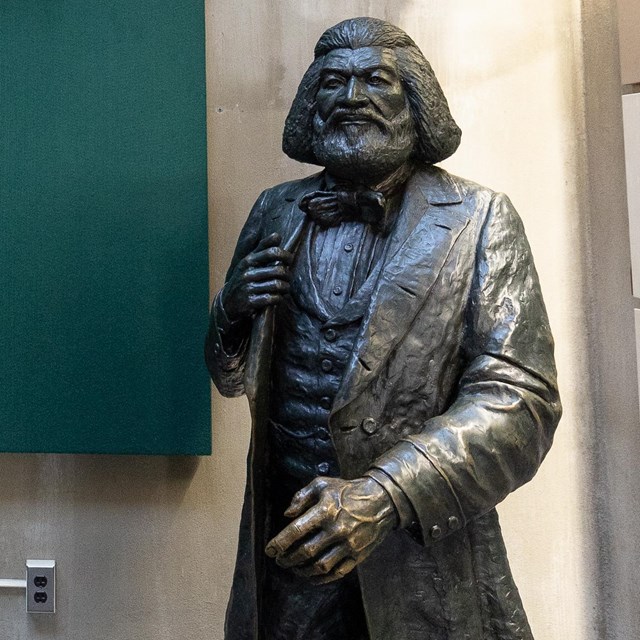 Frederick Douglass NHS
Douglass lived and breathed many values in the Declaration of Independence for himself and all Americans.
-
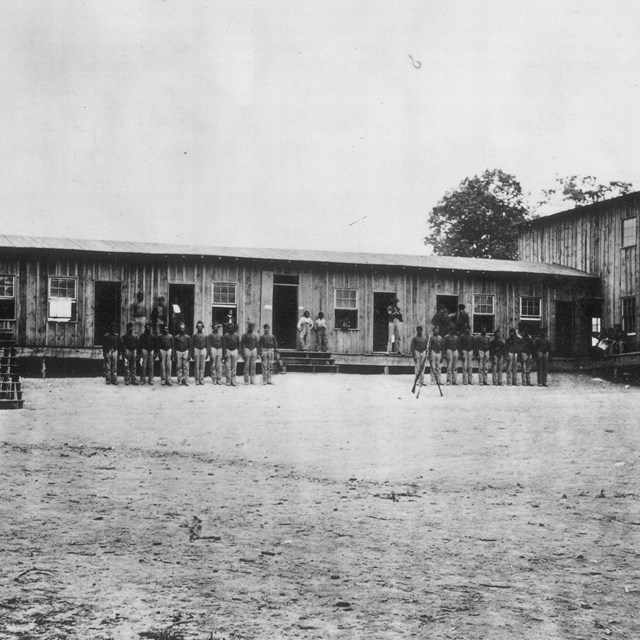 Camp Nelson NM
More than 10,000 African Americans self-emancipated and joined the U.S. Army in the fight to preserve the Union during the Civil War.
-
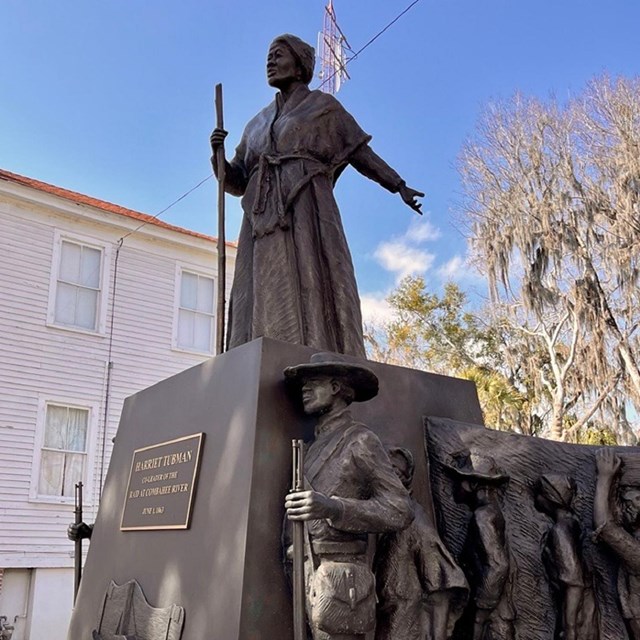 Reconstruction Era NHP
Underground Railroad conductor, nurse, spy, entrepreneur...Tubman also led a military raid during the Civil War.
-
 Yosemite National Park
The legendary cavalry units known as "Buffalo soldiers" were among the first rangers tasked with protecting the nation's public lands.
-
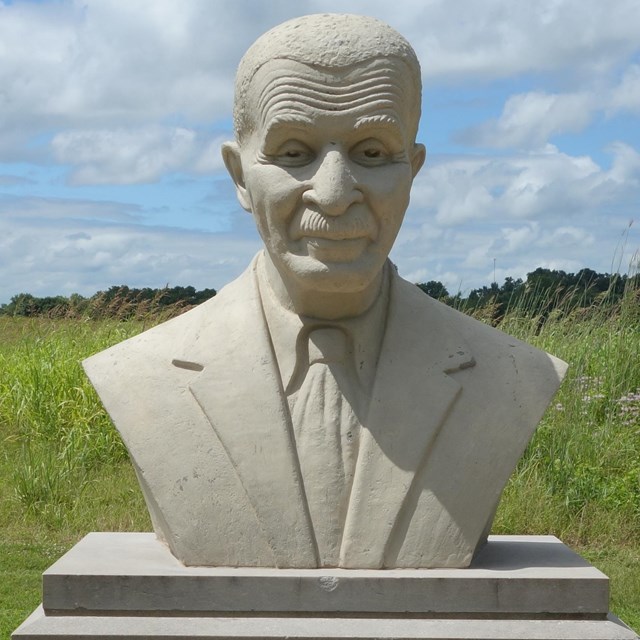 George Washington Carver NHS
Nicknamed the "Peanut Man," Carver is one of the most famous American agricultural scientists and educators.
-
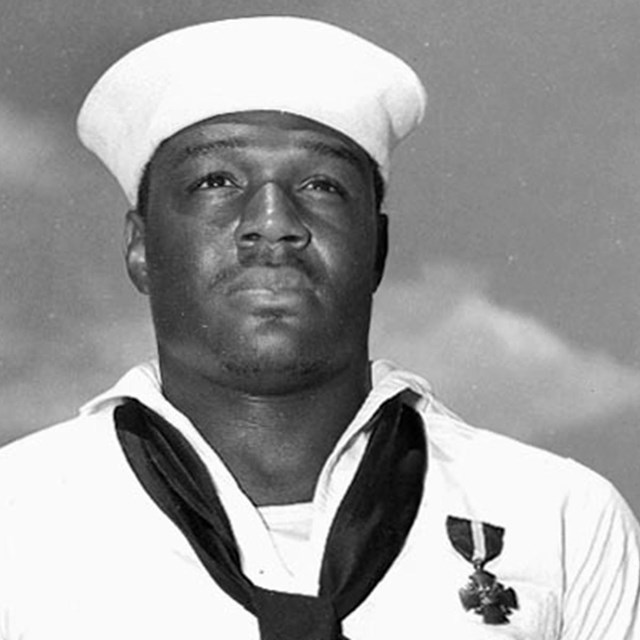 Pearl Harbor NM
A Mess Attendant, Doris Miller heroically manned a machine gun in defense of Pearl Harbor and was awarded the Navy Cross.
-
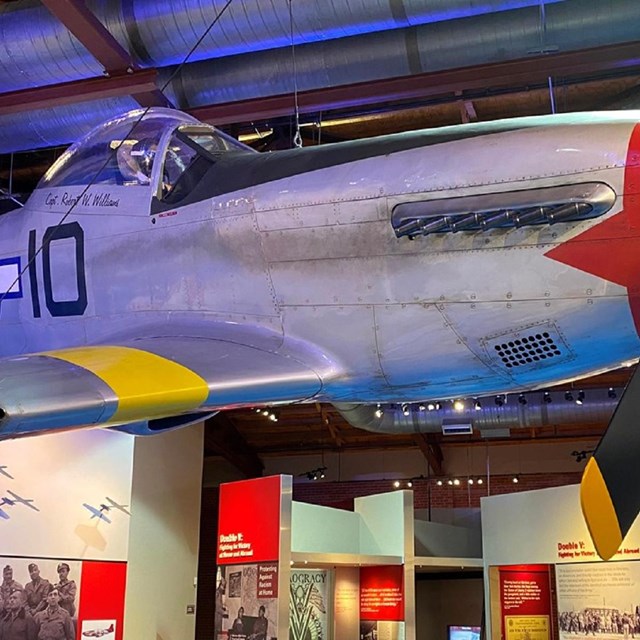 Tuskegee Airmen NHS
The first African American military pilots trained in Tuskegee, Alabama, before earning their revered nickname the "Red Tails."
-
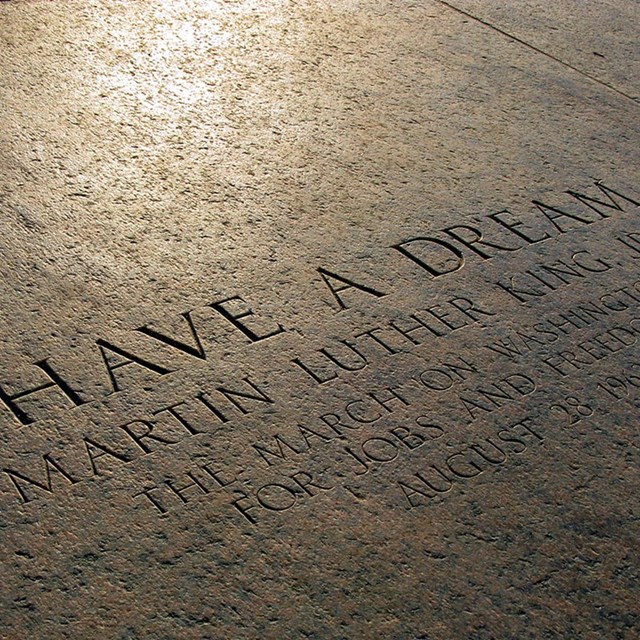 Lincoln Memorial
Stand where legendary civil rights leader Dr. Martin Luther King, Jr. inspired and united a nation during his famous "I Have a Dream" speech

Scurlock Studio Records, Archives Center, NMAH, Smithsonian Institution
The Beginnings of Black History Month
Black History Month, or African American History Month, began as a weeklong celebration in 1926. Since the 1890s, Black communities celebrated the birthdays of two people considered to have a big impact on Black history in the US: Abraham Lincoln (February 12) and Frederick Douglass (February 14). In 1915, Dr. Carter G. Woodson was one of many people who traveled to Washington, DC, to participate in a national celebration of the 50th anniversary of nationwide emancipation. He was inspired by experiences from his trip to create an organization to promote the study of Black life and history. Soon after he helped to form what is now known as the Association for the Study of African American Life and History, the sponsors of Black History Month.
Dr. Woodson dedicated his life to institutionalizing the field of Black history, including by advocating that it be a regular part of formal education. In 1926, he created the celebration of "Negro History Week" during the second week of February timed with the birthdays of Lincoln and Douglass. Dr. Woodson and other advocates provided educational materials each year, such as lesson plans, pictures, scripts for historical performances, and posters. Fifty years later, the weeklong celebration became a month long and has been recognized by presidential proclamation every year since.
Learn more at Carter G. Woodson Home National Historic Site in Washington, DC.
Black History All Year
When Dr. Carter G. Woodson created what is now Black History Month, he hoped it would encourage the learning and sharing of Black history throughout the year. Find resources to learn, teach, experience, and reflect on Black history and heritage beyond February.
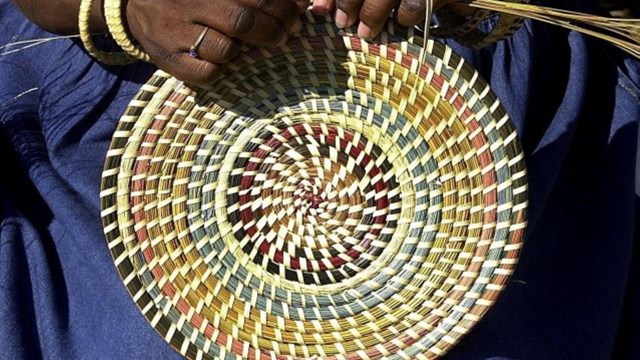
Sharing History & Heritage
Discover Black history and cultural heritage shared in national parks and communities across the country.

Featured Places
The history and heritage of Black Americans are preserved and shared in many parks across the country. Explore some featured places.

Educators Portal
Find distance learning opportunities, lesson plans, and other educational material about history and heritage for all age groups.
Last updated: February 19, 2026