



NPS photo.
Welcome
The fossils present in national parks provide one of the best ways to explore the paleontological heritage of the United States. At least 286 National Park Service areas preserve fossils, including 16 "Primary Fossil Parks" that were established wholly or in part for their fossils.
By visiting a national park, you may see the exact spot where a fossil tree was rooted or where a dinosaur walked millions of years ago! Or you may come across evidence of organisms that lived ancient seaways in states now far removed from the coasts, and learn the story of mammal evolution. Fossils in parks, along with the rocks in which they occur, allow people to feel a sense of connection to the geologic past and the story of life on planet Earth. Visitors to these "Must See Fossil Parks" will experience the tremendous sense of place and connection to spots the fossils were originally found.
You may explore fossils of the national parks either virtually through this website or by visiting a park. Fossils from national parks are also on exhibit in museums around the country where millions of people can experience them.
Learning about national park fossils offers uncommon perspectives into the geologic past and the history of life.
Park Fossils
-
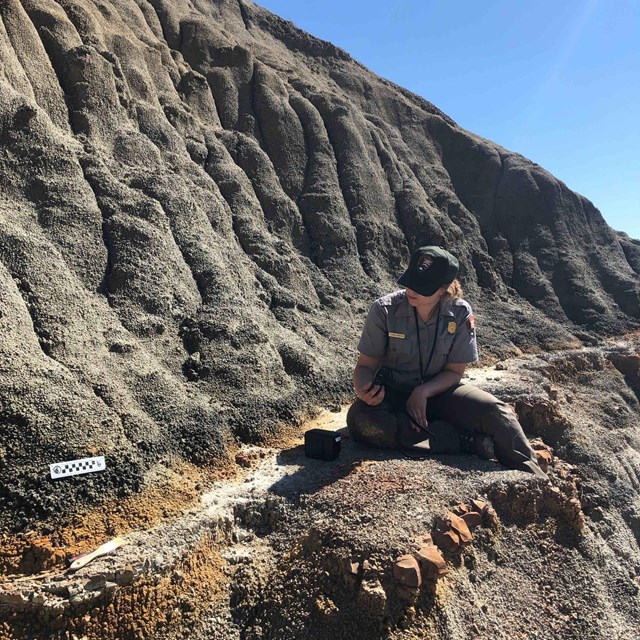 Fossil Parks Master List
The complete listing of all NPS units with documented fossil occurrences.
-
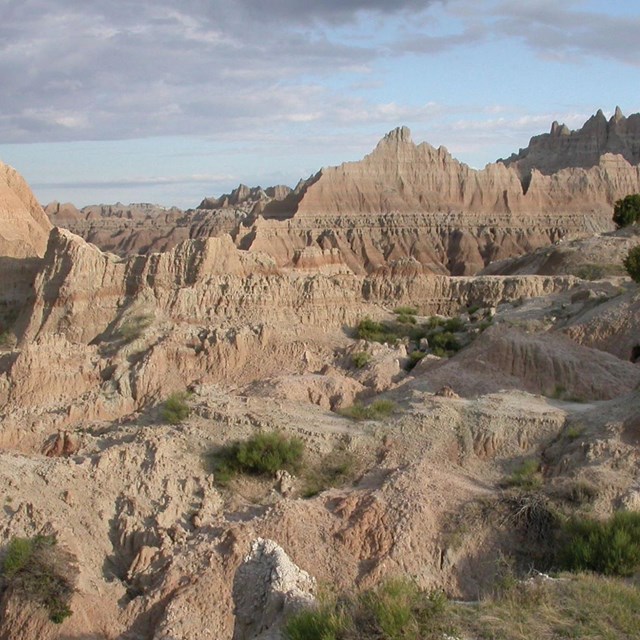 Primary Fossil Parks
Eighteen areas became part of the National Park System because of their fossils. Learn more about them!
-
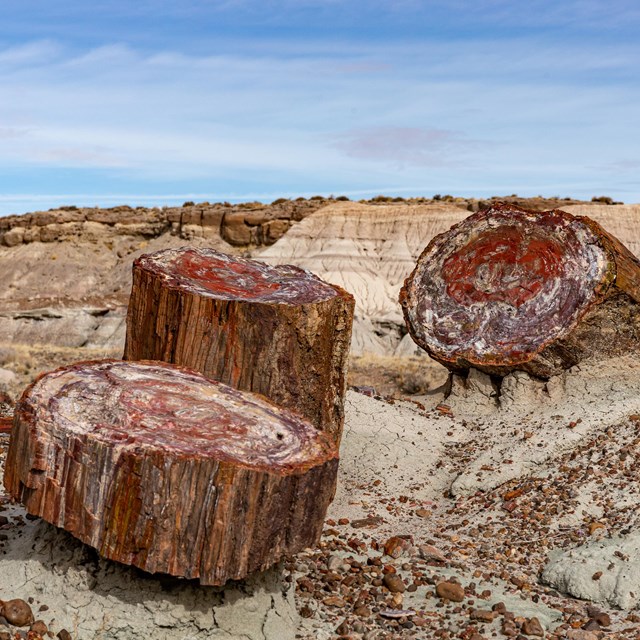 Fossils in Parks
Fossils in parks include invertebrates, vertebrates, plants, inchnofossils, and other. Learn what fossils each park contains.
-
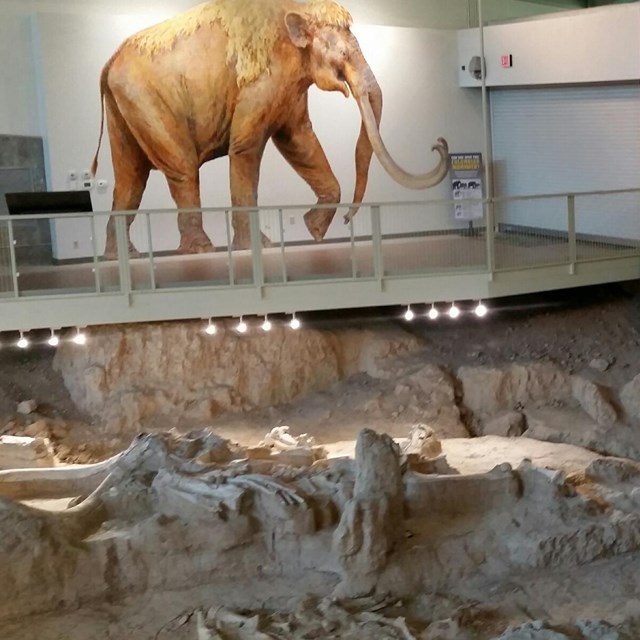 Fossil Site Points of Interest
A listing of some paleontological points of interests in national park areas and National Natural Landmarks.
-
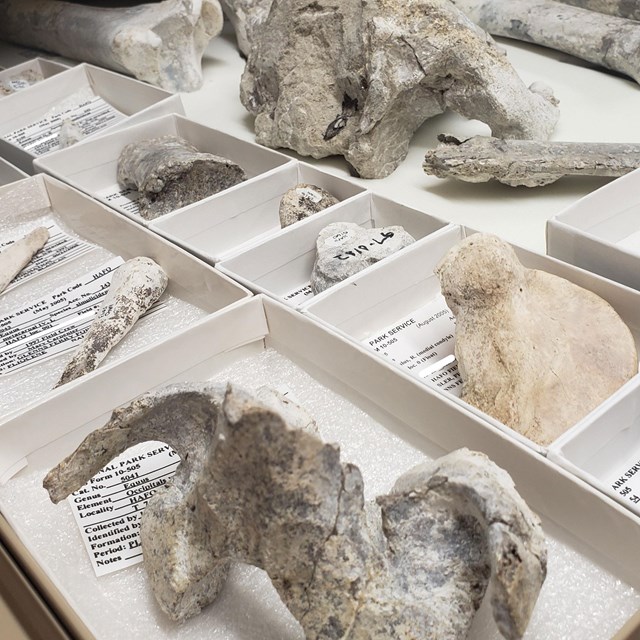 Age of Park Fossil Resources
Information on the geologic age (era and period) of fossils documented in each NPS unit.
-
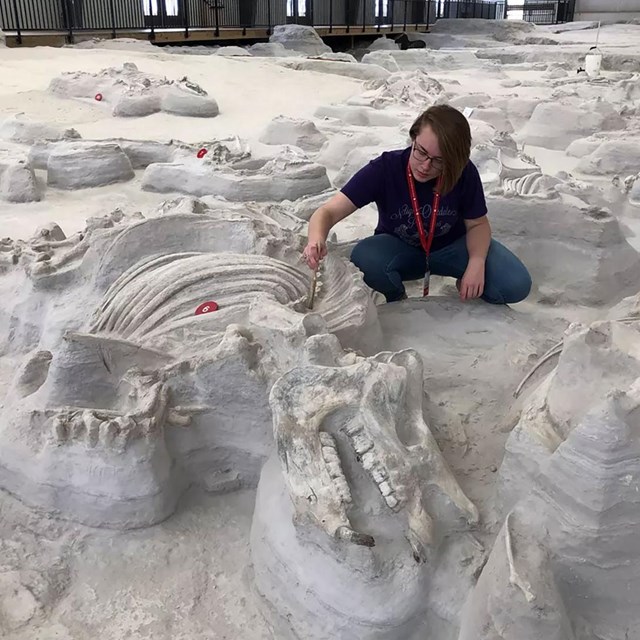 Fossils Through Geologic Time
An exploration of the geologic time scale and the fossils found in national parks.
-
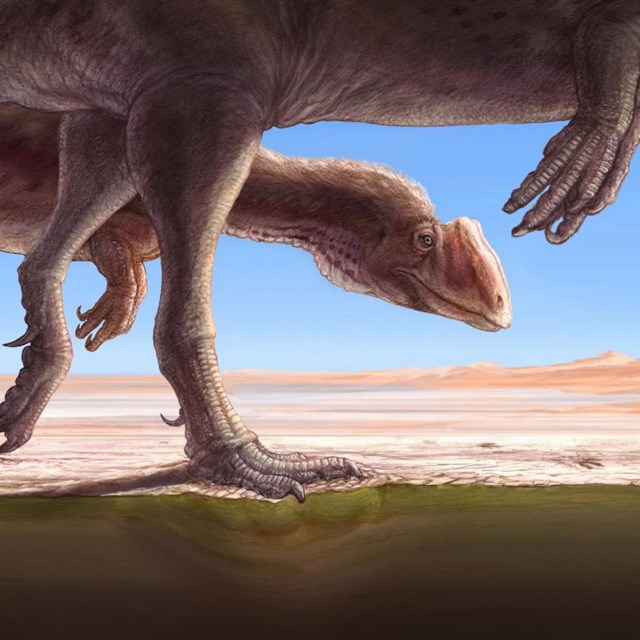 Age of Dinosaurs
Dinosaur fossils found at least 21 NPS areas encompasses everything from some of the earliest to the last known dinosaurs of North America.
-
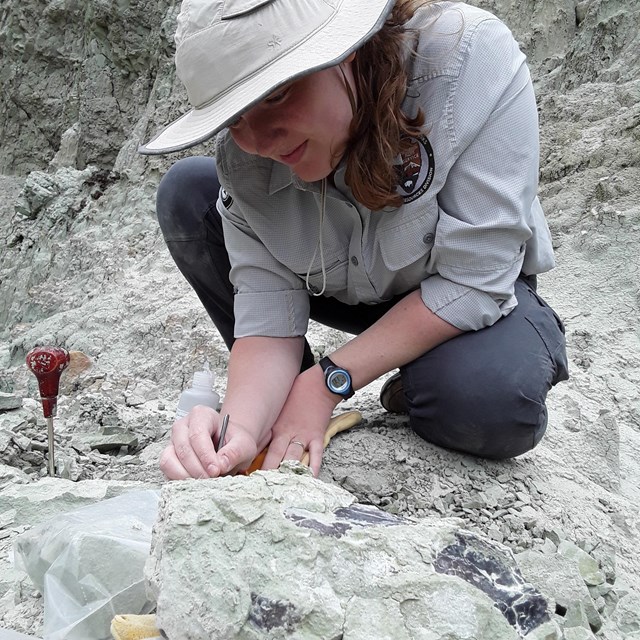 Fossil Park Highlights
Information available on the internet about national park fossils and park paleontology programs, including educational programs.
-
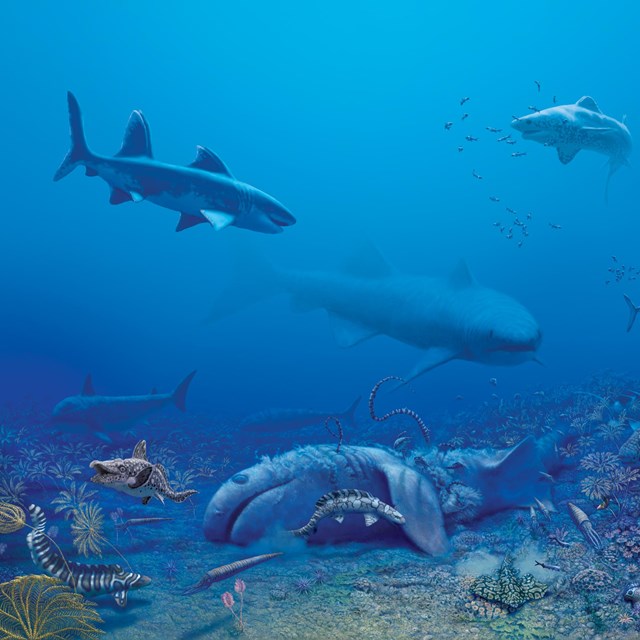 Sharks, Fossils, and Caves
Secrets Revealed at Mammoth Cave!
Parks Pass
Get your pass! The National Parks and Federal Recreational Lands Pass Series includes several passes that cover entrance fees at national parks.
National Park Service Mobile App

NPS photo.
Explore NPS Fossils on the go with the official National Park Service app. The app includes Self-guided tours, alerts and other valuable information. You can even send a postcard without a stamp right from your phone! Download the app in the iOS App Store and at Google Play. Search for "National Park Service." The app is free.
Many Fossil sites are shown in the app, including those listed on the Fossil Park Points of Interest webpage.
Leave No Trace—Protect Fossils for Science and Future Generations

Fossils and paleontological sites are irreplaceable and nonrenewable. They are invaluable to science as they provide our only evidence of the history of life on Earth. A single fossil may be the only evidence of the existence of an entire species. Like rocks and other natural and cultural objects, collecting fossils for recreational, commercial, or educational use is prohibited in all units of the National Park System.
Learn more about how you can use Leave No Trace principles to help protect paleontological resources in national park.
Related Links
Last updated: October 11, 2024