


Learn About Grand Canyon Hello students and teachers! We appreciate your interest in Grand Canyon National Park. Due to a high volume of mail and limited staff, we’re unable to fulfill student mail requests at this time. Instead, please use the digital resource below to help you find the information you need. Happy researching!
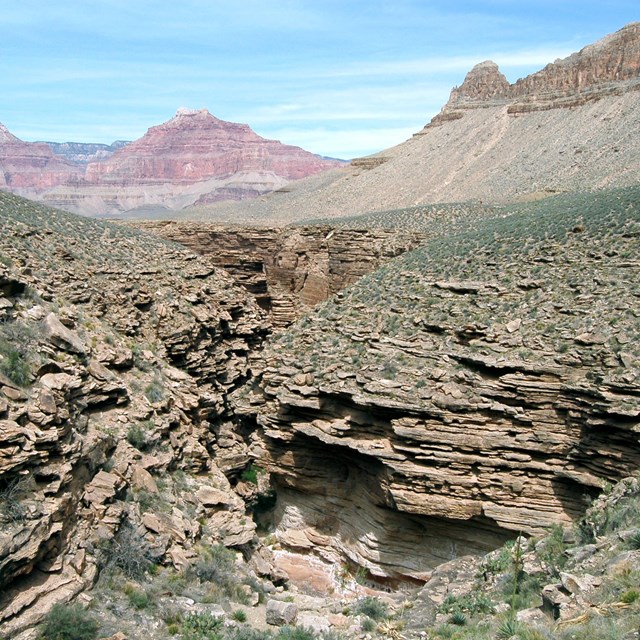
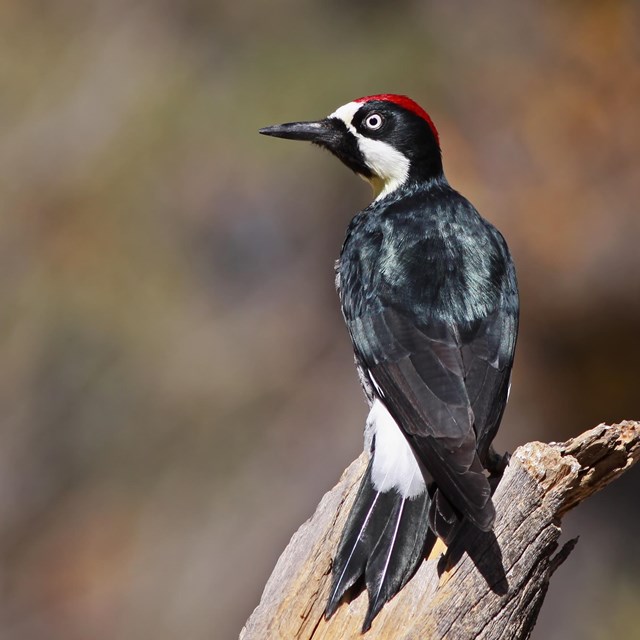
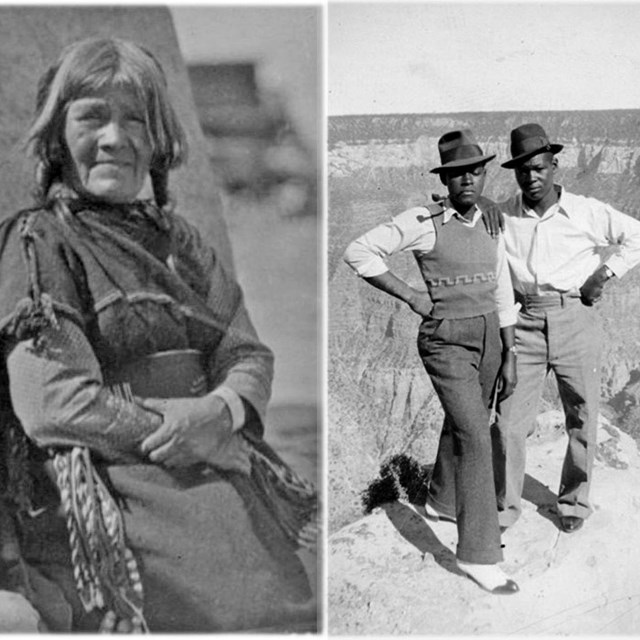
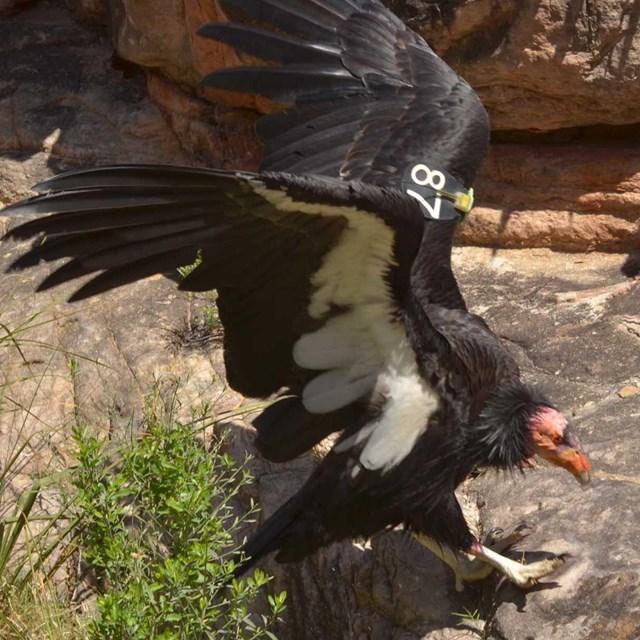
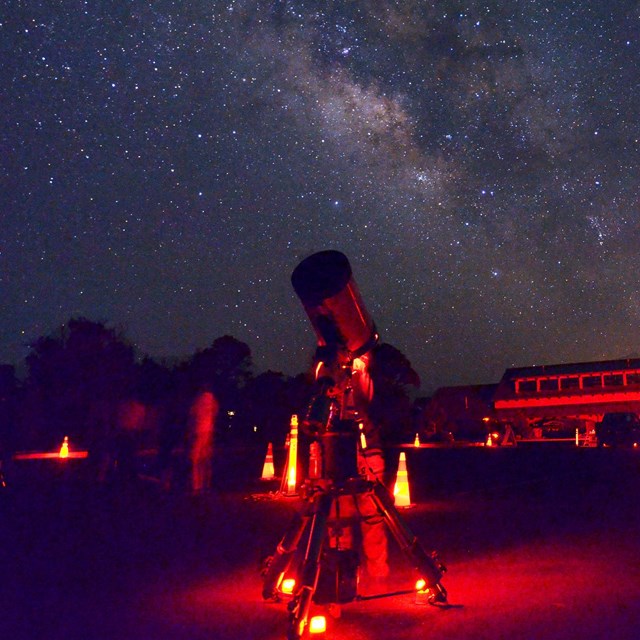
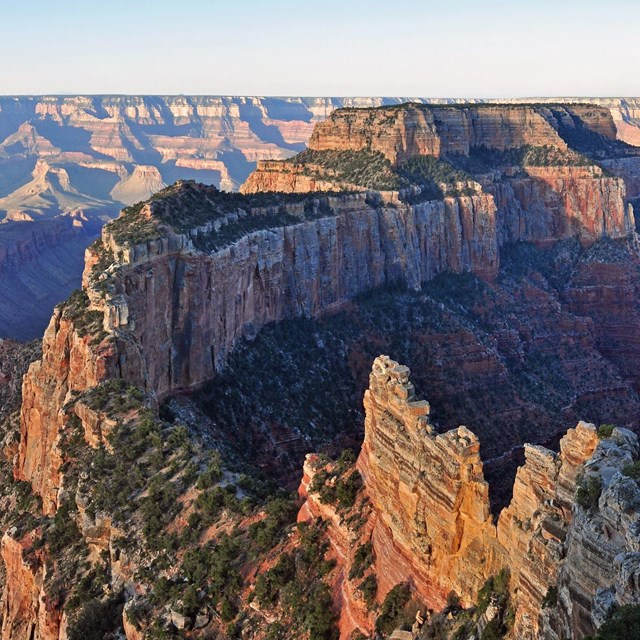
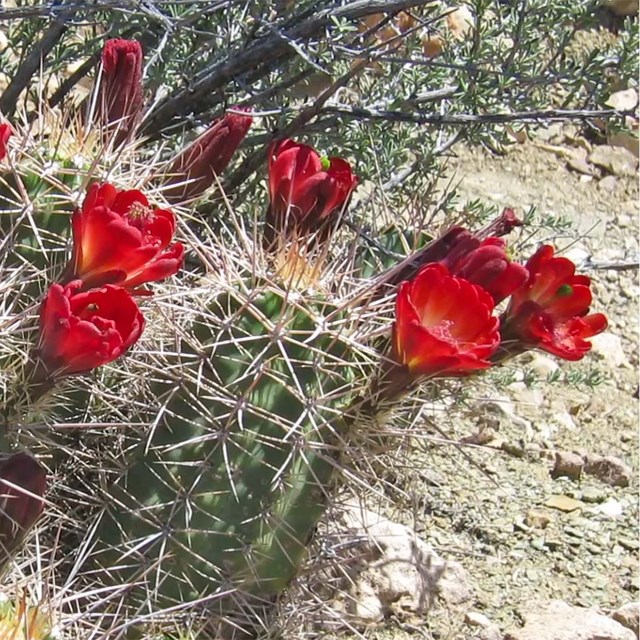
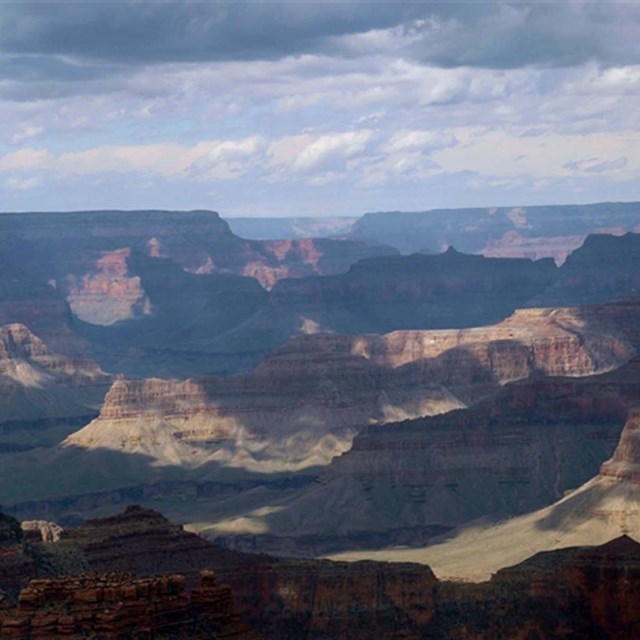
Q) How big is the Grand Canyon?A) Gigantic! The common reaction when people see the Grand Canyon for the first time is “WOW!” The canyon is 10-18 miles wide, depending upon where you are standing, 278 miles long, and about 1 mile deep. On a clear day, visitors can see miles in every direction. Q) How did the Grand Canyon form?A) The Grand Canyon formed through a combination of the natural forces of rock, water and time. The gorge itself was carved about 6 million years ago by the Colorado River, which acts like liquid sandpaper against the landscape. Long before that, about 2 billion years ago, igneous and metamorphic rocks formed the canyon’s base. Over time, layers of sediment built up, forming the colorful bands seen today. About 70 million years ago, the Colorado Plateau rose, and the Colorado River began carving deeply through the landscape, while rain, snow and additional erosion widened the canyon. The older rocks, about 2 billion years old, are found at the bottom, while the younger rock layers are found at the top. The Kaibab Limestone is the youngest layer at the Grand Canyon, only 270 million years old, and contains fossils from when Northern Arizona was a tropical sea! Grand Canyon has almost complete fossil record spanning from 2 billion years ago – 270 million years ago. Q) How many people visit the Grand Canyon?A) Each year, around 5 million visitors from all over the world visit Grand Canyon National Park. While the South Rim is open year-round, the North Rim is only accessible in summer due to its 8,000-foot elevation, which brings heavy snow in winter. For those seeking remote adventure, areas like Tuweep are so isolated that special vehicles are required to traverse rocky terrain. Less than 2% of visitors venture below the rim into the canyon, whether hiking by foot or riding a mule. These steep paths require heavy planning and preparation, especially during the summer months when temperatures can exceed 110°F. Experienced hikers start early, rest during peak sun, wear proper footwear and clothing, and carry essentials like water, proper nutrition, sunscreen and maps. Q) What does a park ranger do?A) Running Grand Canyon National Park is like managing a small city, so rangers take on a variety of roles to keep the park safe and beautiful. Some park rangers are law enforcement officers who protect the resources and enforce regulations, while others are educators or interpreters who lead hikes and present programs. Some rangers work as helicopter pilots, EMT’s, or engineers. Our scientists study plants, animals and historical sites, while the maintenance crews keep roads, building and trails in good condition. Behind the scenes, specialists like mechanics and technicians help everything run smoothly. Q) Who calls the canyon home?A) The Grand Canyon region has been home to Native people since time immemorial. This means people have lived here long before any stories were documented about this place. 11 tribes are connected to Grand Canyon and consider the area sacred and preserve their connection with the land through cultural practices. These traditionally associated tribes include: the Havasupai, Hopi, Hualapai, Kaibab Band of Paiute Indians, Las Vegas Paiute, Moapa Band of Paiute Indians, Navajo Nation, Paiute Indian Tribe of Utah, San Juan Southern Paiute, Pueblo of Zuni, and the Yavapai-Apache Nation. Tribal members share their traditional skills and knowledge with visitors through public demonstration programs at the canyon. Q) What plants and animals are found at Grand Canyon?A) Grand Canyon National Park is home to over 1,500 plant species. As you descend into the canyon, you’ll pass through several ecosystems. At the rim, you’ll find Ponderosa pine and Juniper trees. As you move down into the canyon, the environment becomes hotter and drier, with plants like yucca and cacti adapted to the arid conditions. Near the river, water-loving plants like cottonwood trees and willows thrive. Remember to practice “Leave No Trace” by leaving plants and other natural items exactly how you found them. When it comes to animals, there are over 600 different species, including 90 species of mammals and 450 bird species. Elk, mule deer, rock squirrels, desert bighorn sheep and ravens are commonly spotted critters. Reptiles and amphibians like spiny lizards and canyon tree frogs can also be found, along with endangered fish species like the humpback chub in the Colorado River. Remember, it is not only dangerous and bad for the animals, but it is also illegal to approach or feed the wildlife. Q) What about endangered species?A) There are several endangered species in Grand Canyon National Park, including the California Condor, the Mexican Spotted Owl and the Humpback Chub. Rangers work to protect several endangered species in the park through research, education and conservation. For example, the sentry milk-vetch in a tiny plant that faces threats from high temperatures, drought, and human footsteps. To help it survive, rangers grow the plant in greenhouses, studying its growth before reintroducing it into the wild. The endangered California Condor has also been the focus of conservation efforts. Scientists discovered that condors consume lead from bullet fragments left in small animal carcasses that they eat, causing them to get lead poisoning. Condors are now bred in captivity, tagged, and released into the wild, allowing scientists to monitor their recovery. Today, there are over 500 condors in North America. Q) How does climate change affect Grand Canyon?A) Climate change is affecting the ecosystem, visitors and residents here at Grand Canyon. Rising temperatures, decreased precipitation, drier soil, and increased wildfires are some of the visible effects. Park scientists and rangers study these changes to develop strategies for protecting the park. As temperatures continue to rise, hiking in the spring and fall may become more dangerous, extending risks beyond the summer months. To prepare for these changes, park managers are working on ways to inform visitors about safe hiking and sustainability. Light pollution is another concern for the park. The Grand Canyon is designated an International Dark Sky Park, which means steps been taken to reduce artificial light, allowing visitors to experience the night sky, including the Milky Way.
Follow this link to Virtually Interview a Grand Canyon Ranger
Follow this link to Virtually Visit the Grand Canyon
Videos, Photos, and More!
|

Last updated: December 21, 2025