



Here you’ll find an offering of the newest Teaching with Historic Places resources, including classic lessons and (H)our History lessons.
New Lessons
-
 (H)our History: Alaska Statehood
This one hour lessons looks at the Cold War shaped the story of Alaska statehood.
-
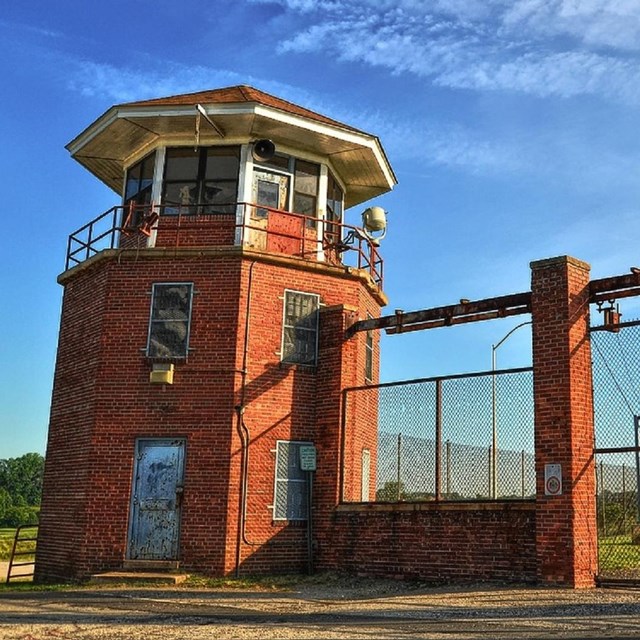 (H)our History: Lorton Reformatory
This lesson on the Lorton Reformatory examines Progressive reformers’ effort to build build prisons that focused on rehabilitation.
-
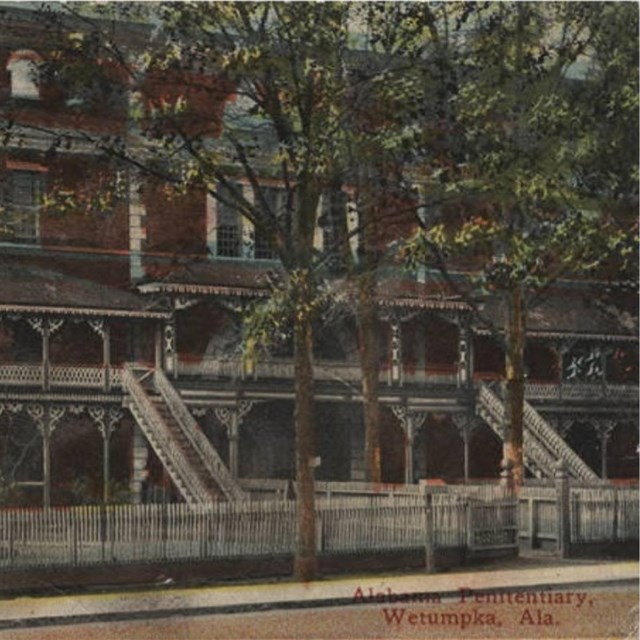 Alabama Penitentiary Lesson
In this classic lesson, users will learn about one of the first state prisons built in the South, the Alabama State Penitentiary.
-
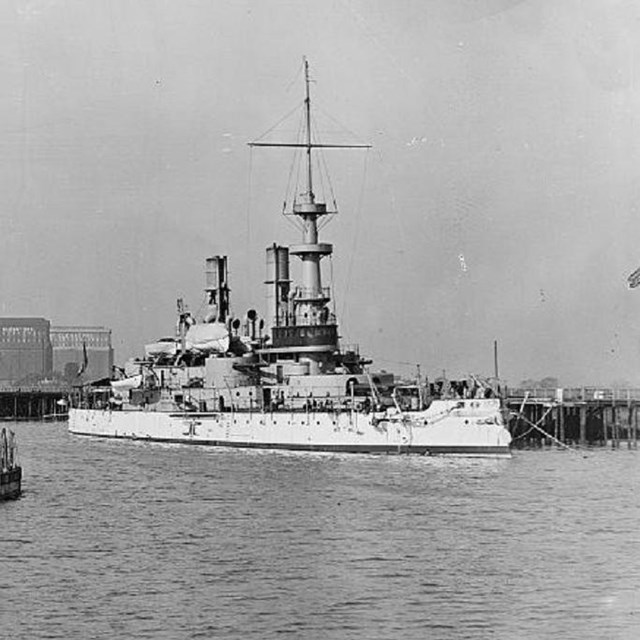 WWI Philadelphia Navy Yard Lesson
This classic lesson looks at the role the Philadelphia navy yard played in shipbuilding, repair, and docking during World War I.
-
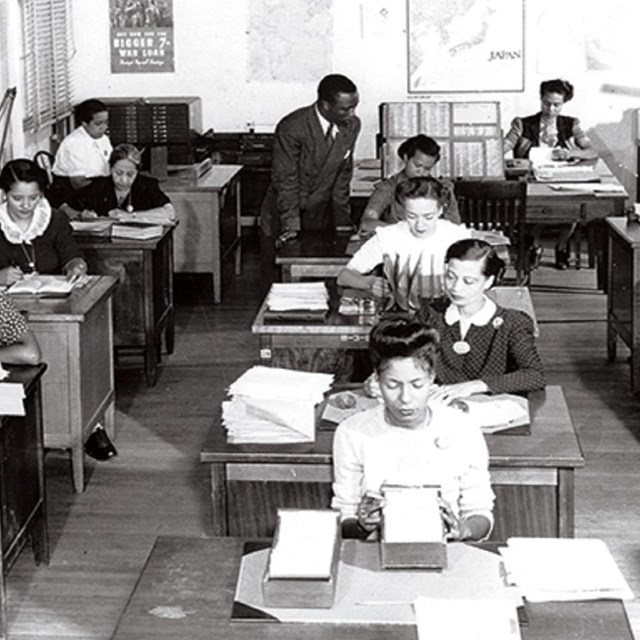 WWII Women Cryptologists Lesson
This lesson highlights women on the home front who contributed to the Allied victory by breaking codes and deciphering enemy messages.
-
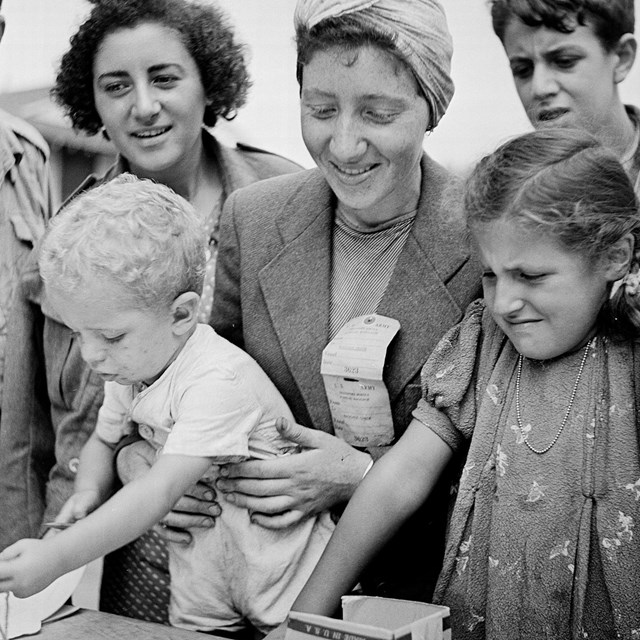 (H)our History: Fort Ontario
This lesson plan explores Fort Ontario and helps students understand religion, foreign policy, refugee policy and the WWI home front
-
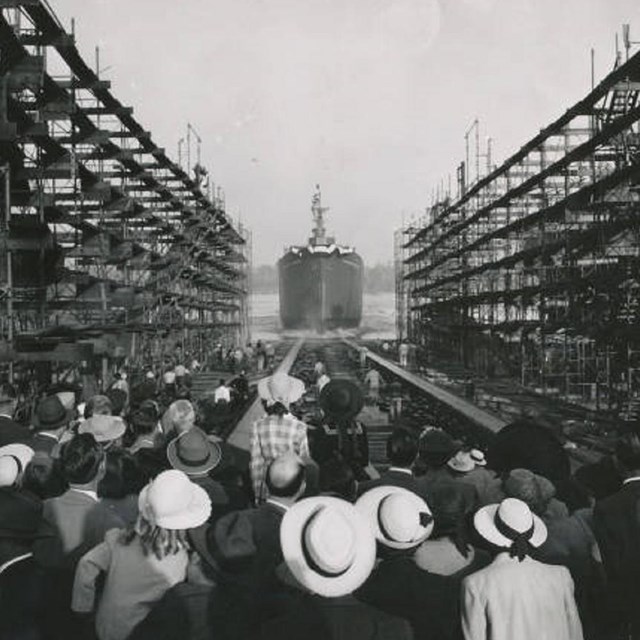 Wilmington, NC, WWII Heritage City
These lesson plans support the development of understanding the significance of Wilmington, NC as a WWII heritage city.
-
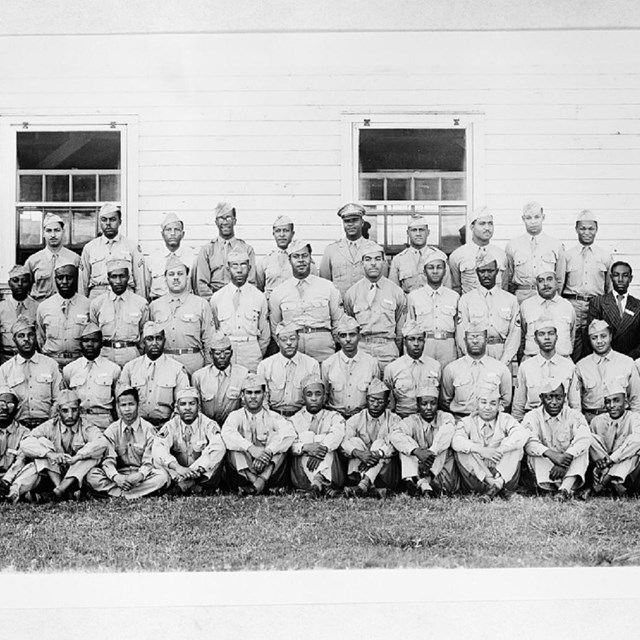 The Tuskegee Airmen: Training Experience
This lesson focuses on the historical significance of the site by highlighting stories and voices of Tuskegee Airmen trained at Moton Field
-
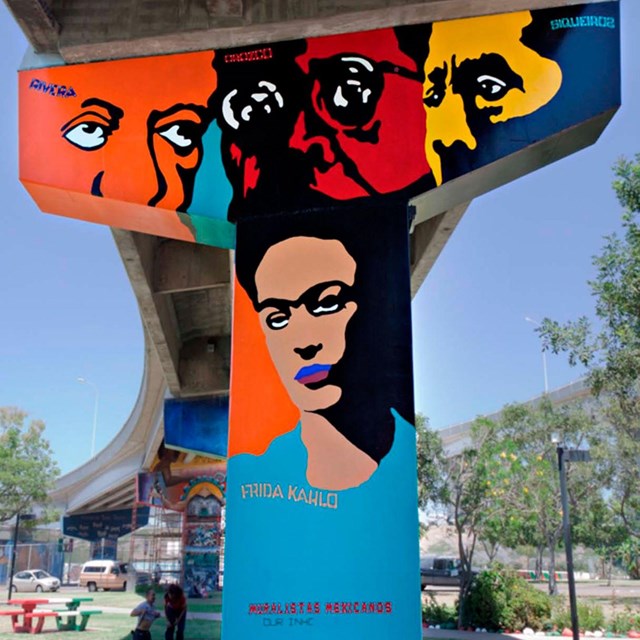 Mural-Making in Latino Spaces Lesson
This lesson explores how communities celebrate their accomplishments, memorialize their pasts, and advocate for the future through murals.
-
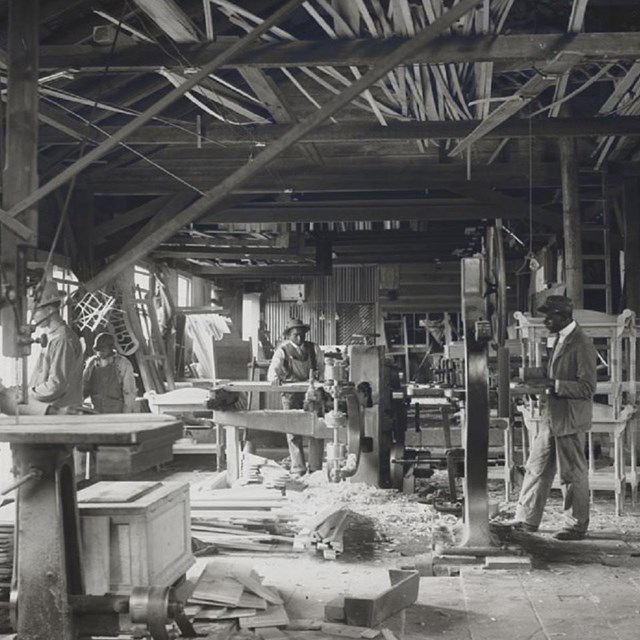 The Home of Dr. Booker T. Washington
This lesson plan focuses on The Oaks (NRHP) which is located at the Tuskegee Institute National Historic Site.
-
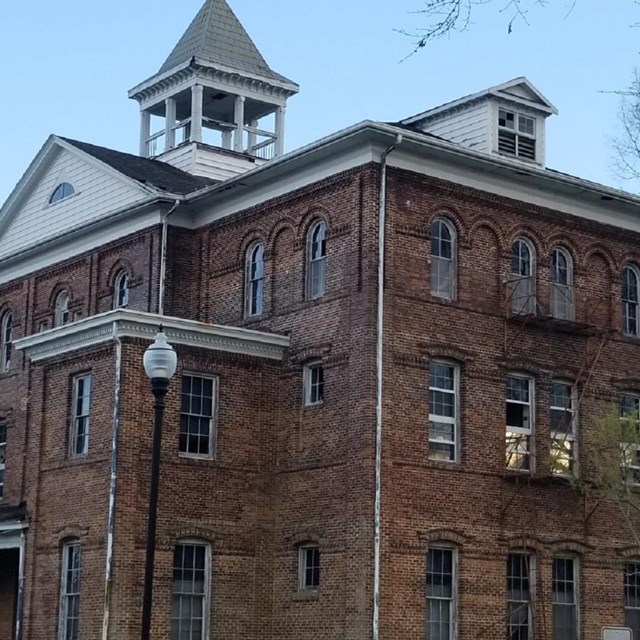 One Brick at a Time
This lesson plan focuses on the architectural impact Robert R Taylor on the Tuskegee Institute
-
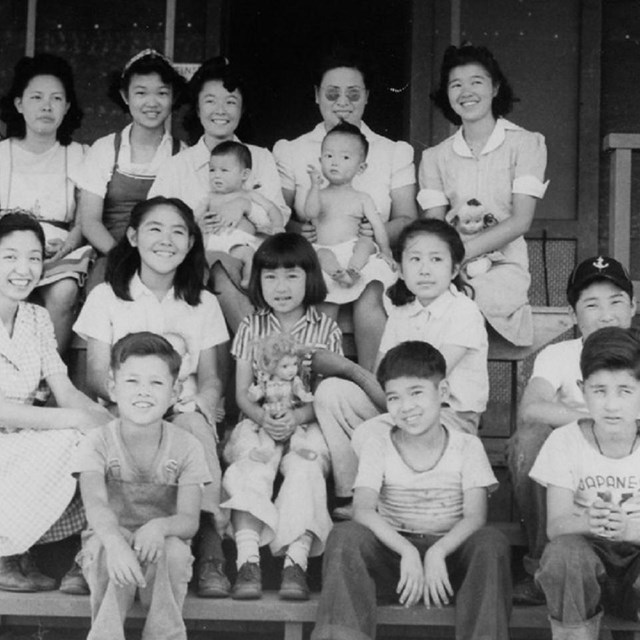 Buddhism in WWII Incarceration Camps
This lesson allows students to identify the role Buddhism played in the lives of Japanese Americans during and after incarceration in WWII
-
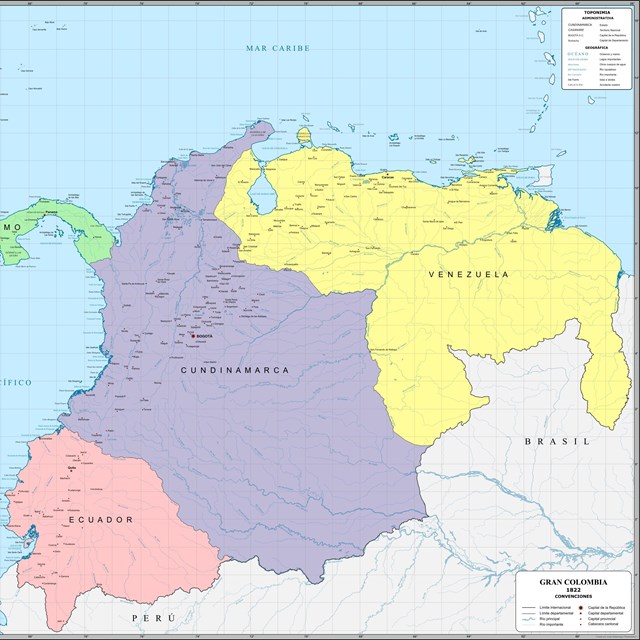 Sister Revolutions on Two Continents
This lesson examines how Americans in the US used Latin American Revolutions to understand principles of democracy, liberty, and equality.
-
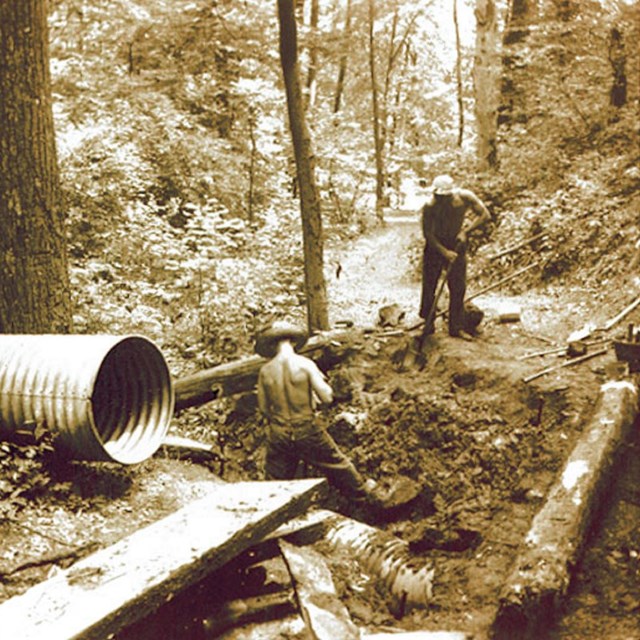 (H)our History: Patapsco Camp
During World War II, conscientious objectors served their country non-violently at Civilian Public Service camps like Camp Patapsco.
Last updated: January 5, 2023