Skip to SearchSkip to NavigationSkip to BodySkip to Footer
National Park Service LogoU.S. Department of the InteriorNational Park ServiceNational Park Service
National Park Service:  U.S. Department of the InteriorNational Park Service Arrowhead
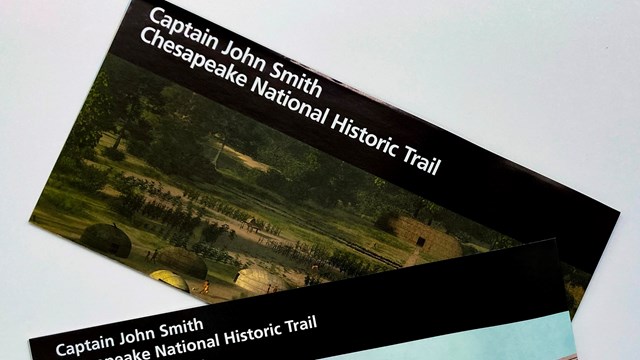
Captain John Smith Chesapeake National Historic TrailKids Playing
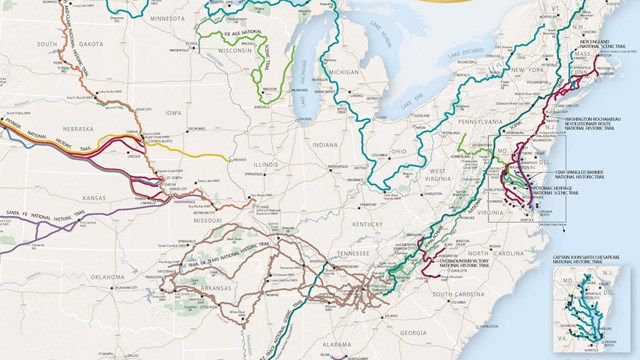
view map
text size:largestlargernormal
printer friendly

Overview

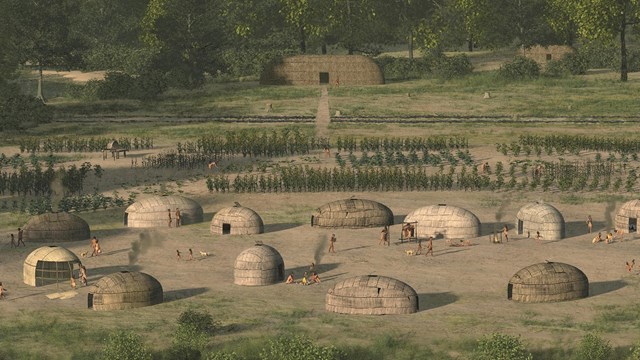
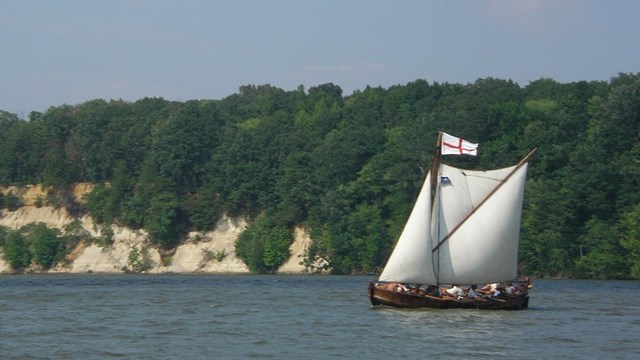
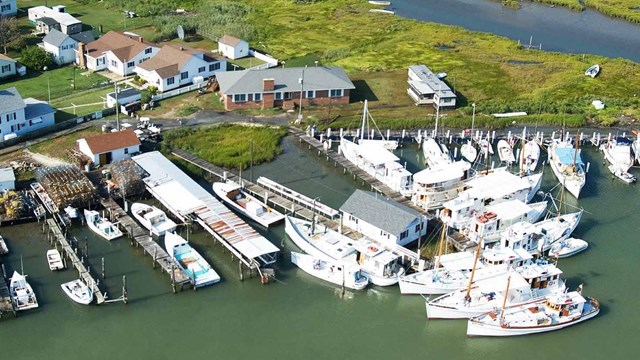
Imagine a world of lush forests, proud people and water teeming with life. Such was the Chesapeake that Captain John Smith and his fellow Englishmen encountered as they explored this “very goodly bay” and its rivers more than 400 years ago. Follow in the wake of Smith's journeys on the Captain John Smith Chesapeake National Historic Trail, America's first national water trail.

 
Captain John Smith

New Smith Trail Website

Learn about Native Americans, Captain John Smith, and the Chesapeake Bay; plan trips to exciting Bay places; and get involved in planning the trail by visiting  www.smithtrail.net

 
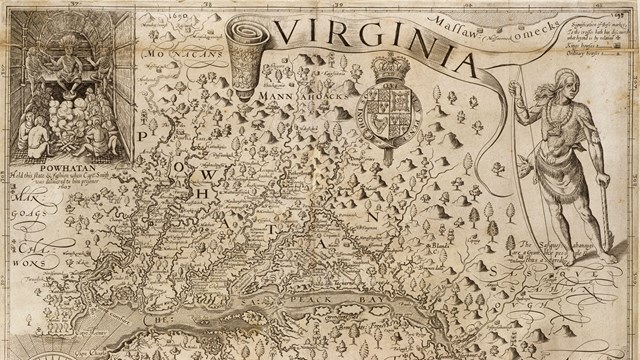
Smith's Historic Map

Adventures Await You on the John Smith Trail

After founding the first permanent English settlement on Jamestown Island in 1607, Smith and his fellow adventurers spent two years exploring, mapping, and recording nearly 3,000 miles of the Bay and its rivers. His maps and writings influenced European settlement of the region for nearly a century.

Travel Smith’s routes and learn about the native cultures and natural environment of the 17th-century Chesapeake while experiencing the rich diversity of this national treasure. Start your adventures at www.smithtrail.net where you will find the best places to access the trail and plan your visits. 

 
Chesapeake Bay Buoys

“Smart” Buoys Mark the Water Trail

The first national water trail calls for a marking system quite different from land-based trails. For the Captain John Smith Chesapeake NHT, the National Oceanic and Atmospheric Administration (NOAA) devised a buoy system that transmits a variety of data for trail users and educators, collects water-quality and other scientific measurements for monitoring the health of the Bay, and communicates current and historical information.

The buoys look similar to other navigational buoys around the Bay, but the “smart” buoys in the Chesapeake Bay Interpretive Buoy System (CBIBS) are loaded with sensors to help track Bay restoration progress. The information is relayed in near real time from the buoys to the Internet using wireless technology.

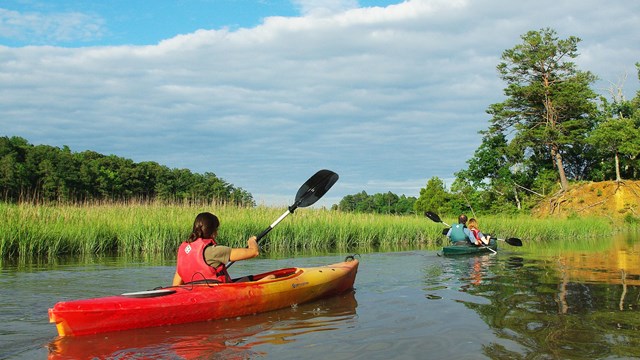
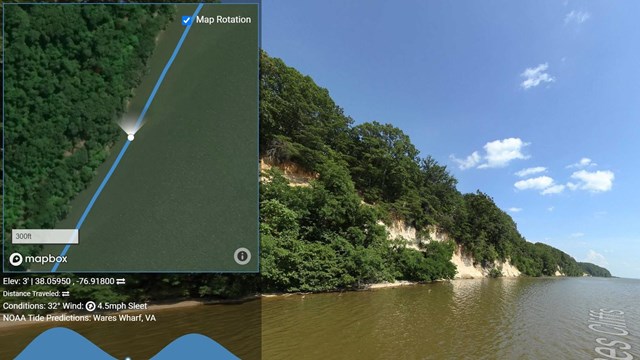
You can cruise or paddle to the location of a buoy, contact it on your cell phone toll-free (877-BUOY BAY) or on any Internet-accessible device at www.buoybay.org, and learn about that very place on the Chesapeake in 1608. Land travelers use the buoys, too. Take a “virtual trip” to any buoy location to learn about the Bay in Smith’s time and to plan your own visit to the trail. Learn more at www.smithtrail.net.


Write to

NPS Chesapeake Bay Program Office
410 Severn Avenue, Suite 314
Annapolis, MD 21403

E-mail Us

Phone

Visitor Information
(410) 260-2470

Climate

The Chesapeake Bay stretches from the mouth of the Susquehanna River in eastern Maryland to Norfolk in southern Virginia. Weather can vary greatly from location to location and season to season. You can get up-to-the-minute information on weather and water conditions from buoy locations when you Visit the Trail.
Skip to SearchSkip to NavigationSkip to BodySkip to Footer
Native American canoe  

Did You Know?
Native canoes could carry huge loads of cargo and large numbers of people. A 45-foot canoe was measured in 1607; most canoes could carry 10-20 people plus their luggage.

Last Updated: September 10, 2009 at 11:01 EST