



NPS / Jonathan Shafer The mission of the Zion Archives mirrors that of the National Park Service—to protect and preserve the park’s resources for the enjoyment and education of current and future generations.
The Zion Archives are home to the history of the park, documenting the natural and cultural resource records created by the National Park Service from the early years of Mukuntuweap National Monument in 1909 to the present. In addition to history of Zion National Park, the collections also preserve the history of Mormon Pioneers and Indigenous People that inhabited the valley long before, during, and after the European American history of the park. Maps, historic photographs, and oral histories are just a few examples of the records maintained in the archives. Finding aidsDue to an ongoing project to reorganize the Zion Archives, we do not have finding aids for every collection. We will share new finding aids as we move ahead with the reorganization. Record Group 14 - Cultural Resources Please email us with any collections related questions. HoursEmail us before you arrive in the park so that we can confirm an archivist is available on the day of your visit. Research visits usually happen Monday to Friday, 9 a.m. to 4 p.m.
Access and use policiesResearch in the Bryce Canyon, Cedar Breaks, and Zion archival collections are available by appointment only. We will ask you to read and sign forms that explain how to protect park records. If you can, please email us and we will email you the forms before your visit. If you do not fill the forms out before you get here, we will give you paper copies to read and review when you get to the park.
Forms you will need to sign to do research When you arrive at Zion, we will give you forms to read and sign. Read below so that you are prepared to share the information we need.
The following conditions for access are designed to better preserve the archival materials of Bryce Canyon National Park, Cedar Breaks National Monument, and Zion National Park with the ultimate goal of protecting records against the possibilities of damages and/or theft. These policies will be enforced during the duration of the research visit.
Conducting Research
Rules for Conduct
Producing Citations
The National Park Service will require you to read, sign, and date a form with these terms when you arrive at the park archives. The copyright law of the United States (Title 17, United States Code) governs the making of photocopies or other reproductions of copyrighted materials. The various state privacy acts govern the use of materials that document private individuals, groups, and corporations.
The National Park Service will require you to read, sign, and date a form with these terms when you arrive at the park archives. The following rules and regulations are designed to better preserve the archival materials of Bryce Canyon National Park (BRCA), Cedar Breaks National Monument (CEBR), and Zion National Park (ZION) and to protect them against the possibilities of damages and/or theft. They will be enforced during the duration of the research visit.
Research in the BRCA, CEBR, and ZION archives is available by appointment only. Before research can be conducted, all visitors must complete a Researcher Registration Form and present a valid photo ID upon entering the building. The National Park Service will require you to read, sign, and date a form with these terms when you arrive at the park archives. Researchers need to share information about their projects in order to work in the Zion Archive. We will provide a form when you get to Zion that will ask for:
We will also ask you to:
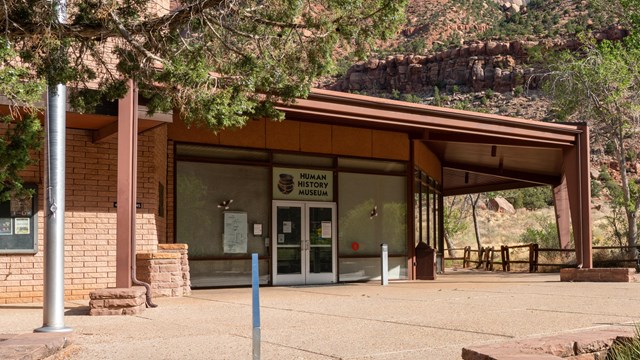
Zion Human History Museum
Discover virtual exhibits and learn more about visiting the Zion Human History Museum. 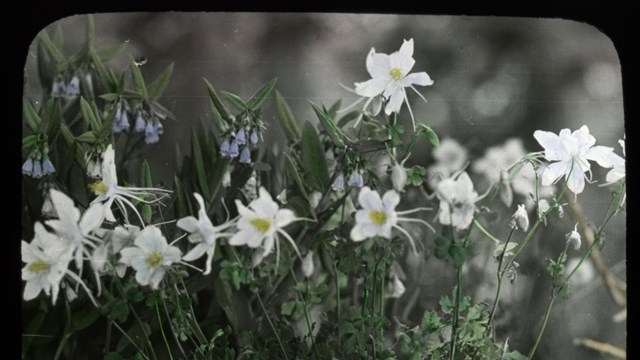
NPGallery
Explore the museum collections through these digitized materials. 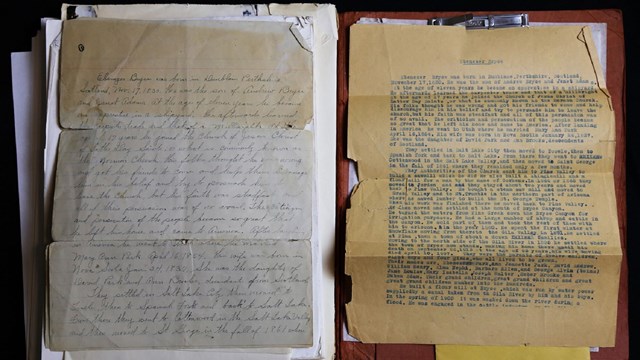
Bryce Canyon Collections
Find out more about the museum and archives collections at Bryce Canyon. 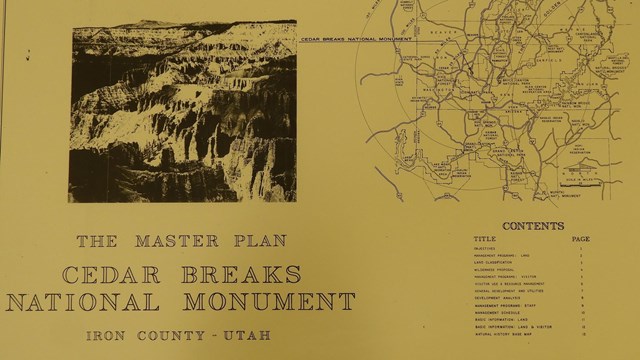
Cedar Breaks Collections
Find out more about the museum and archives collections at Cedar Breaks. 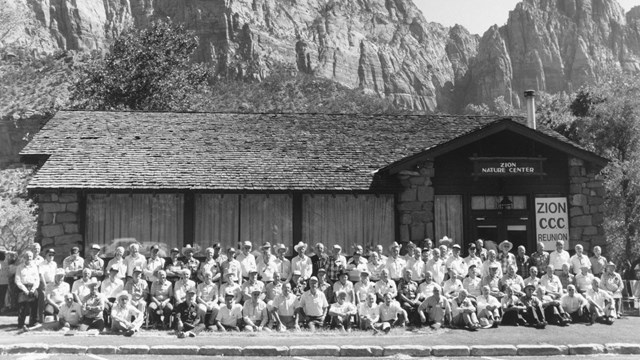
Oral History
Lend an ear to the memories of the past through Zion's oral history collection. |
Last updated: June 4, 2025