



|
The Missouri River and its surrounding riparian forests and prairies are home to a wide variety of mammals. From semi-aquatic beavers and muskrats to land predators like coyotes and mountain lions, many different species thrive along the river today. However, the types of wildlife and their abundance here on the northern Great Plains are very different from what Lewis and Clark experienced during their exploration up the Missouri River. Their journals reported plentiful herds of bison and elk. Other species like the river otter and beaver thrived in the Missouri River before the settling of the West. Due to unregulated hunting and habitat loss, many mammal species experienced population declines. Some, like the bison and elk, are extirpated species, meaning they are no longer found in the area but still live in the wild elsewhere. Others, like the river otter, can still be found along the Missouri National Recreational River but have such low populations that they’re a rare sight to see. While exploring and enjoying the Missouri National Recreational River, remember to respect wildlife. Never feed any of the animals and always give them their space. Carnivores (Order Carnivora)Carnivores all started out as meat-eaters, but many have evolved to be omnivores (consumers of plants and animals).
Coyote
Learn more about these prominent predators in the Great Plains. 
Red Fox
This iconic carnivore is well known for its adaptability and hunting skills. 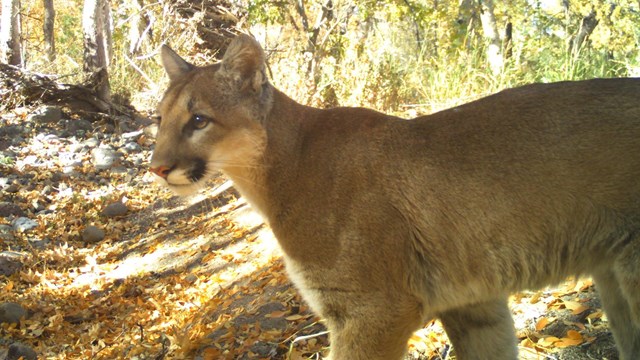
Mountain Lion
Mountain lions are the largest predator found along the Missouri National Recreational River. 
River Otter
Once very abundant in the Missouri River, river otters are a rare sight to see today! 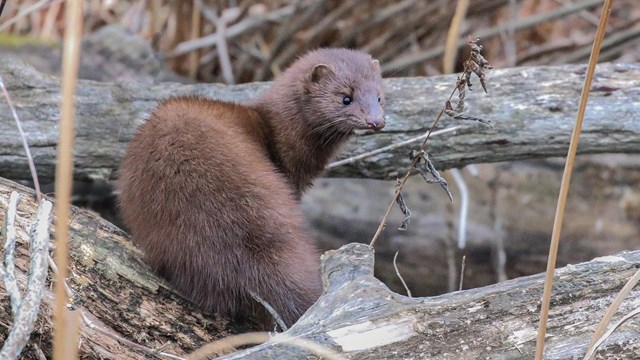
Mink
Learn more about this small but mighty, semi-aquatic carnivore. 
Striped Skunk
Skunks are infamous for their ability to spray a foul odor to deter predator. Learn more about their unique behaviors and adaptations! 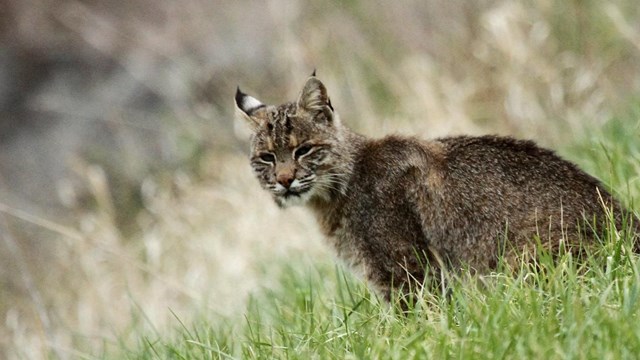
Bobcat
Though somewhat rare along the Missouri National Recreational River, bobcats are most likely to be seen at dawn and dusk. 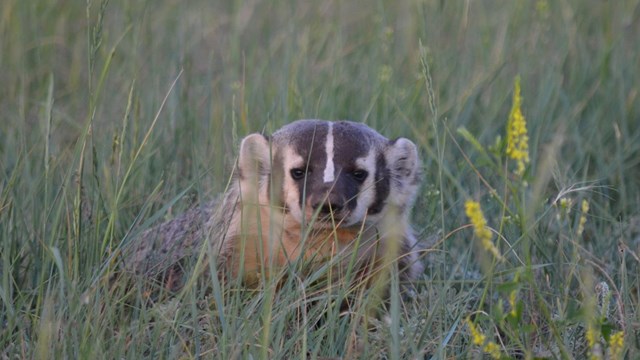
Badger
Learn more about these industrious burrowers! 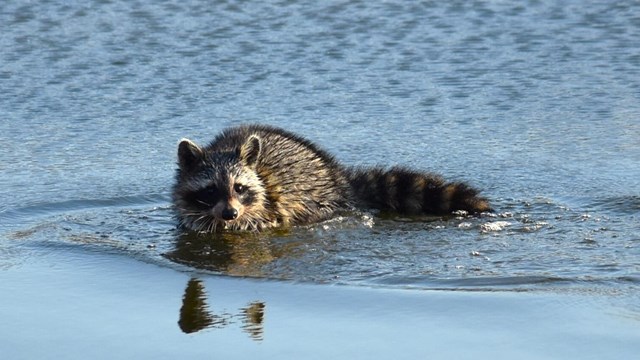
Raccoon
Raccoons are technically carnivores but are really opportunistic omnivores who will eat whatever they can get their hands on. Ungulates (Order Artiodactyla)Ungulates are hooved herbivores (plant-eaters), and there are two types: even-toed (artiodactyls) and odd-toed (perissodactyls). The ungulates that currently live or have historically lived along the Missouri National Recreational River are all even-toed.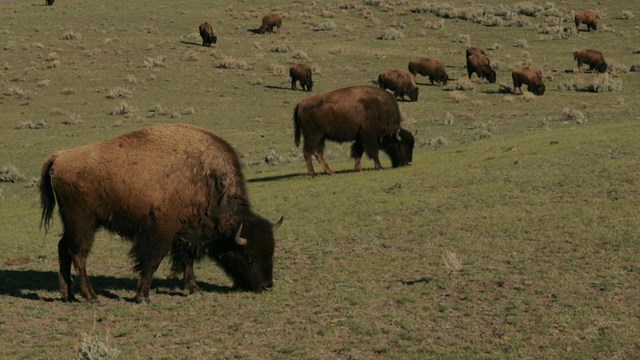
Bison
Bison are an extirpated species along the Missouri River. Their herds used to roam widely among the Great Plains. 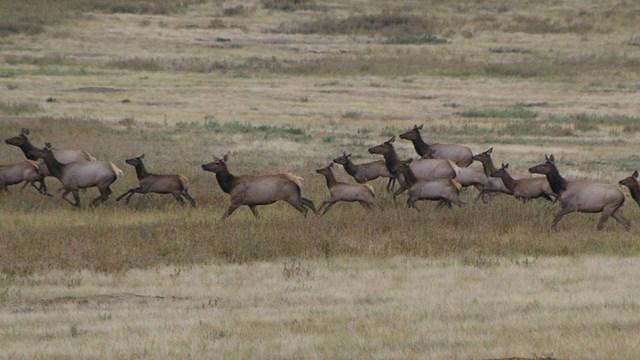
Elk
Elk are another extirpated species along the river. Lewis and Clark reported seeing large herds during their expedition from 1804-1806. 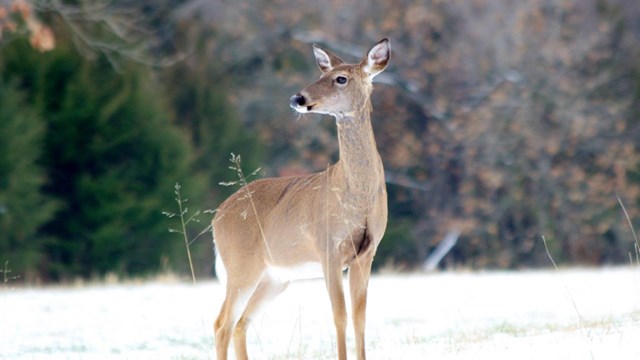
Deer
Learn more about white-tailed deer and mule deer, one incredibly common species and one rare along the MNRR. Rodents (Order Rodentia)A wide variety of mammals from the Rodent family can be found in the park. Many thrive in the water, on land, underground, or in trees.Bats (Order Chiroptera)The only mammals that can fly, there are 8 species that call the park home. 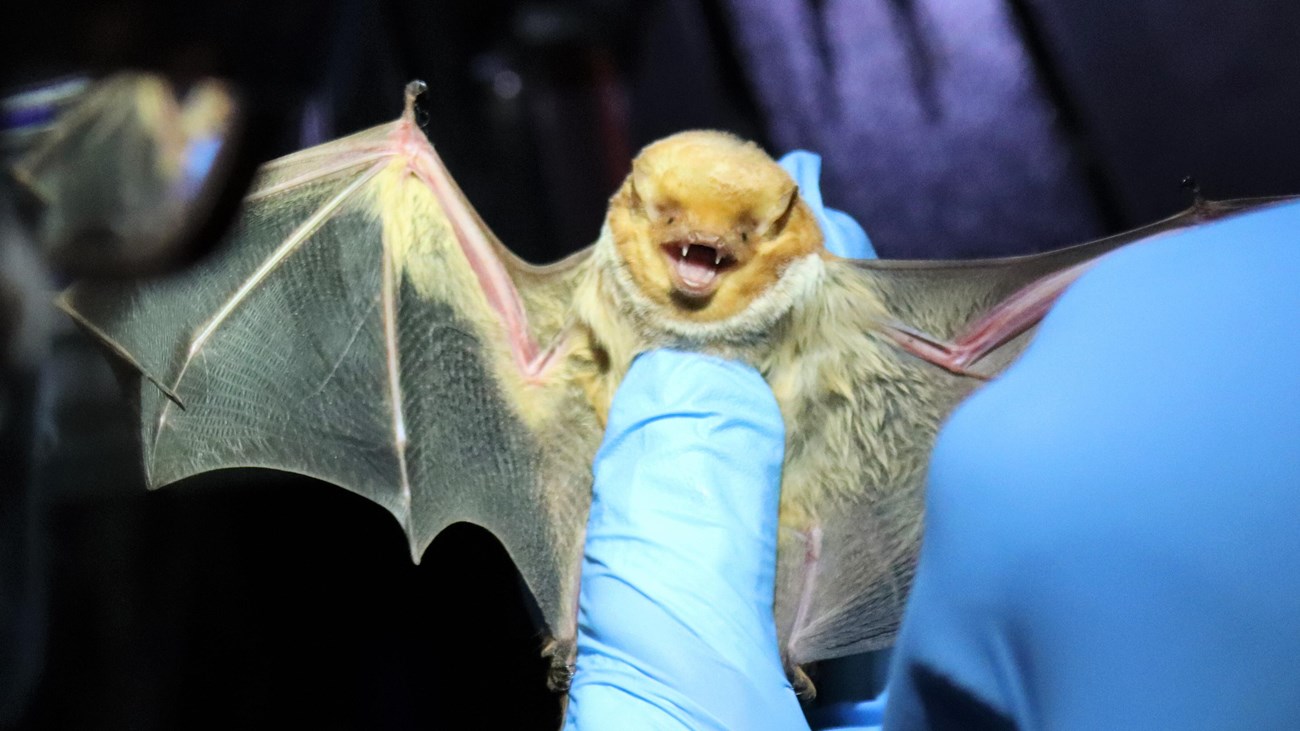
Bats
A mix of tree-dwelling and cave-dwelling bat species can be found along the Missouri National Recreational River. Rabbits and Hares (Order Lagomorpha)These mammals are similar to rodents, except that they only eat plants and have four incisors in their upper jaws.
Eastern Cottontail
Eastern cottontails are incredibly common and vital parts of the food chain along the Missouri River 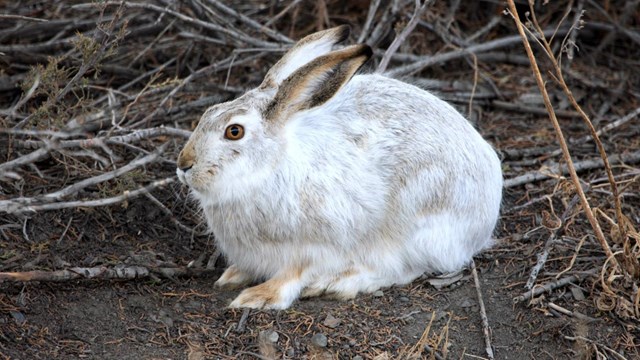
Jackrabbits
White-tailed and black-trailed jackrabbits both find suitable habitats in the prairies along the river. |


Last updated: December 12, 2025