
Environmental Factors

Dark storm clouds roll over an island.

NPS Photo


The environment of Fort Pulaski National Monument encompasses a wide range of ecosystems under constant influence of internal and external forces. These processes are influenced by a variety of natural and anthropogenic factors, from climate and hydrology to land disturbance and pollution. Global issues like sea level rise and the invasion of nonnative species need to be addressed in order to protect natural resources worldwide. Due to Fort Pulaski’s close proximity to a major city and shipping channels, the park and its staff face many management challenges to preserve the unique environment of Fort Pulaski.


See below for some of the main environmental factors that influence Fort Pulaski’s natural resources and learn about the management challenges that they present.

 
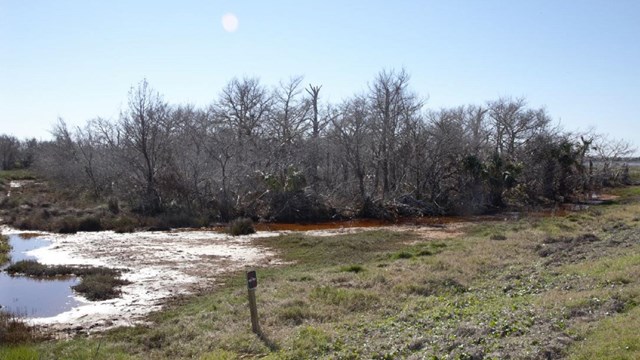
Dead trees and plants alongside marshy ground.
Climate Change

See the effects of climate change, how it impacts the natural features of Fort Pulaski, and what the park is doing to mitigate the impacts.
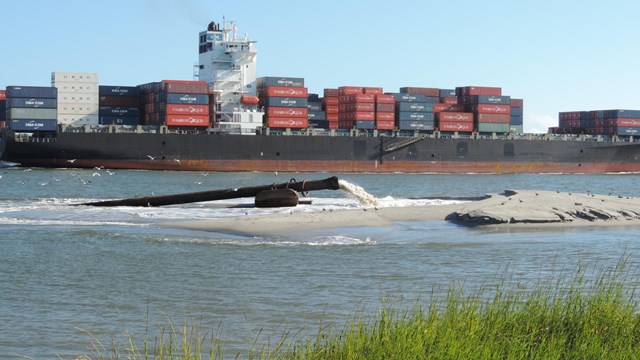
Sandy water is being excreted from a pipe coming out of the water onto a sand bank.
Human Impact

Humans play a significant role in environmental alteration worldwide. See how human activities impact the ecosystems at Fort Pulaski.
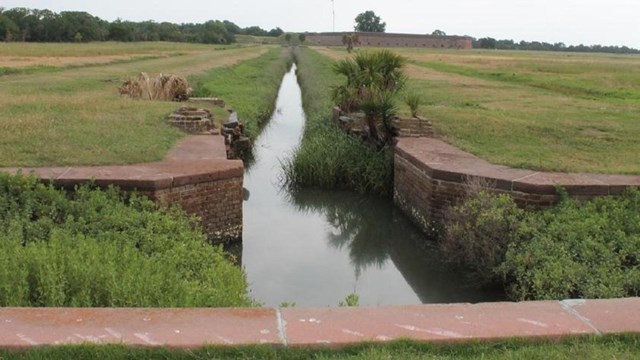
A narrow canal between two small raised berms. The end is brick lined.
Hydrology

Learn about the tidal characteristics of the Georgia coast.
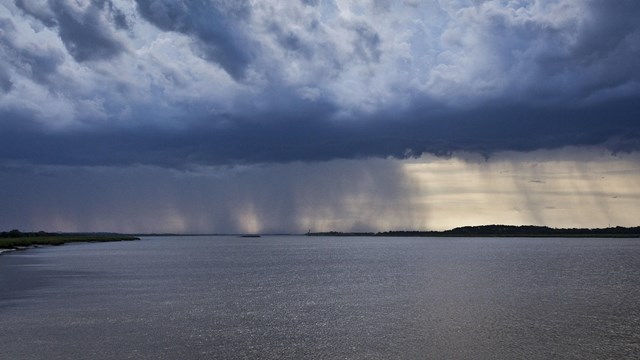
Storm clouds, with visible rain bursts, above a river.
Weather and Climate

Learn why the climate of coastal Georgia provides excellent temperate and subtropical habitat for a wide range of species.

Last updated: November 30, 2025

Park footer

Contact Info

Mailing Address:

41 Cockspur Island Road
Savannah, GA 31410

Phone:

(912) 219-4233

Contact Us