




Last updated: July 9, 2026

Trying to decide when to visit, how to get here, or what to do when you arrive? Links that offer answers to these questions and more.

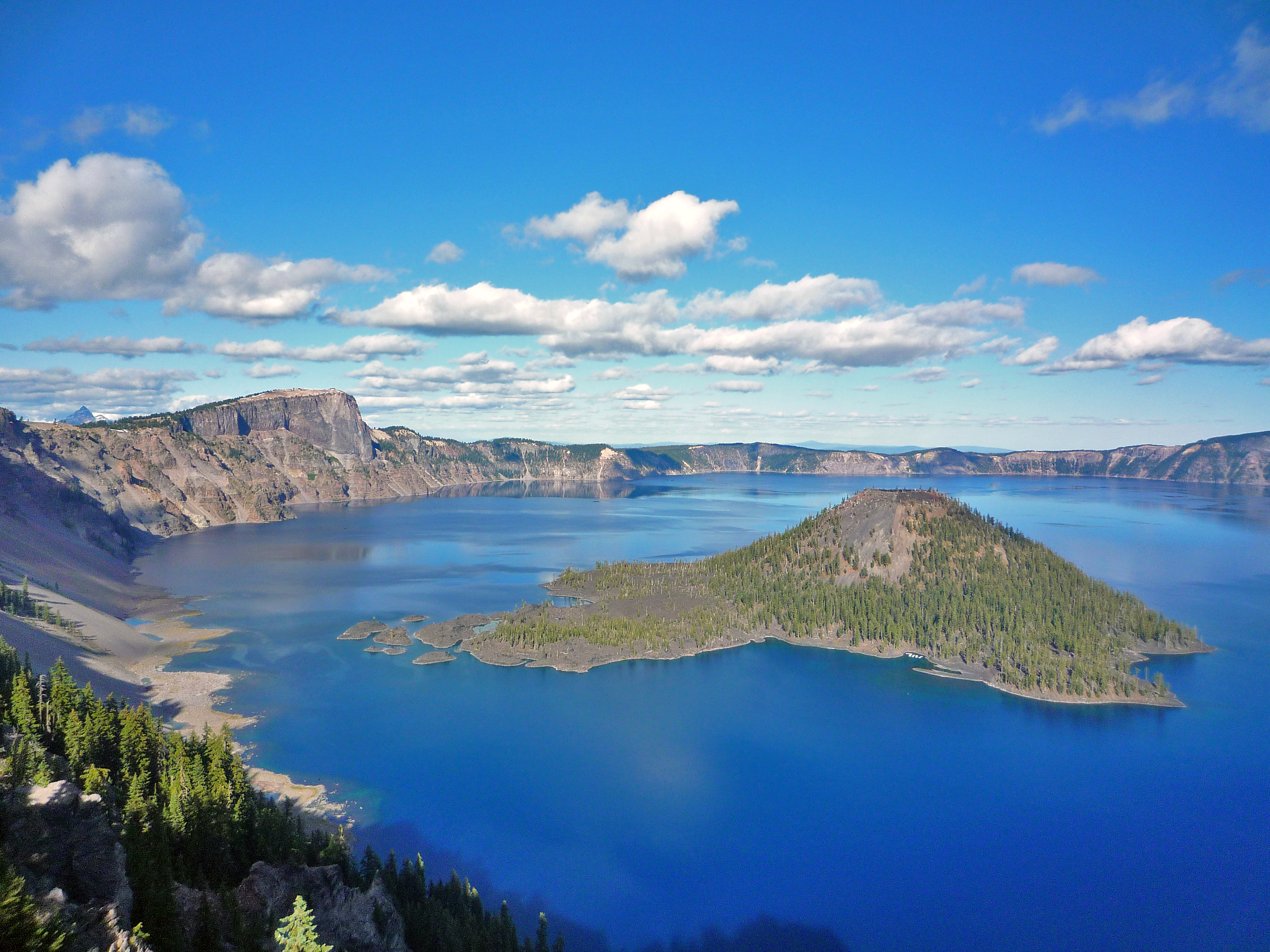
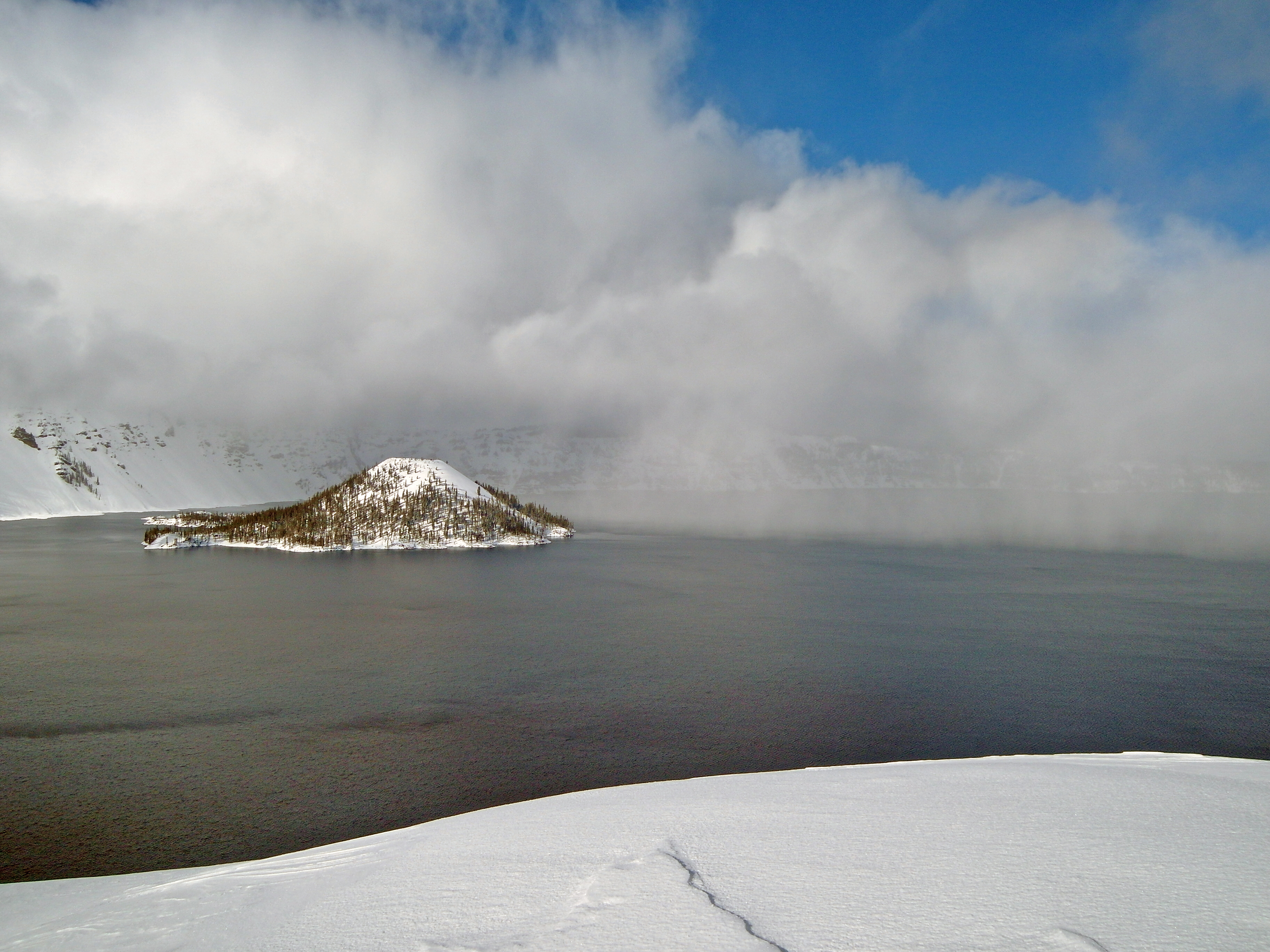
Crater Lake is often hidden by clouds. Before visiting, check our webcam to see if there's a view.

Links and information to park hours, descriptions of seasons, and seasonal road closures tables.

Keep abreast of current conditions and any alerts regarding danger, closures, and important park information.

Find out what it costs to enter the park and what NPS passes are available. See a list of fee-free days for 2023.

Reach the park from the West, South or North (closed winter) Entrance. Cell reception is limited, get directions before hand.

Regardless of the time of year or season that you visit, check the forecast multiple times in advance. Conditions can change quickly.

Important information about visiting the park with your pet(s), ways to keep them safe, and where to take them.

Prepare for a wilderness adventure that could include snow, a brilliant night sky, or the sound of animals. Get help with trip planning.

Cleetwood Cove Trail and Marina will be closed for 3 years for a major and much needed rehabilitation project.

A list of lodging and camping options (year-round) within 20 miles outside the park boundaries, and distances to further-out communities.

Whether day-tripping or spending a week, find a way to explore, discover, and retreat into the natural beauty and history of the park.

Choose a trolley or boat tour and enjoy the sights worry-free with an added bonus of a ranger's perspective.