



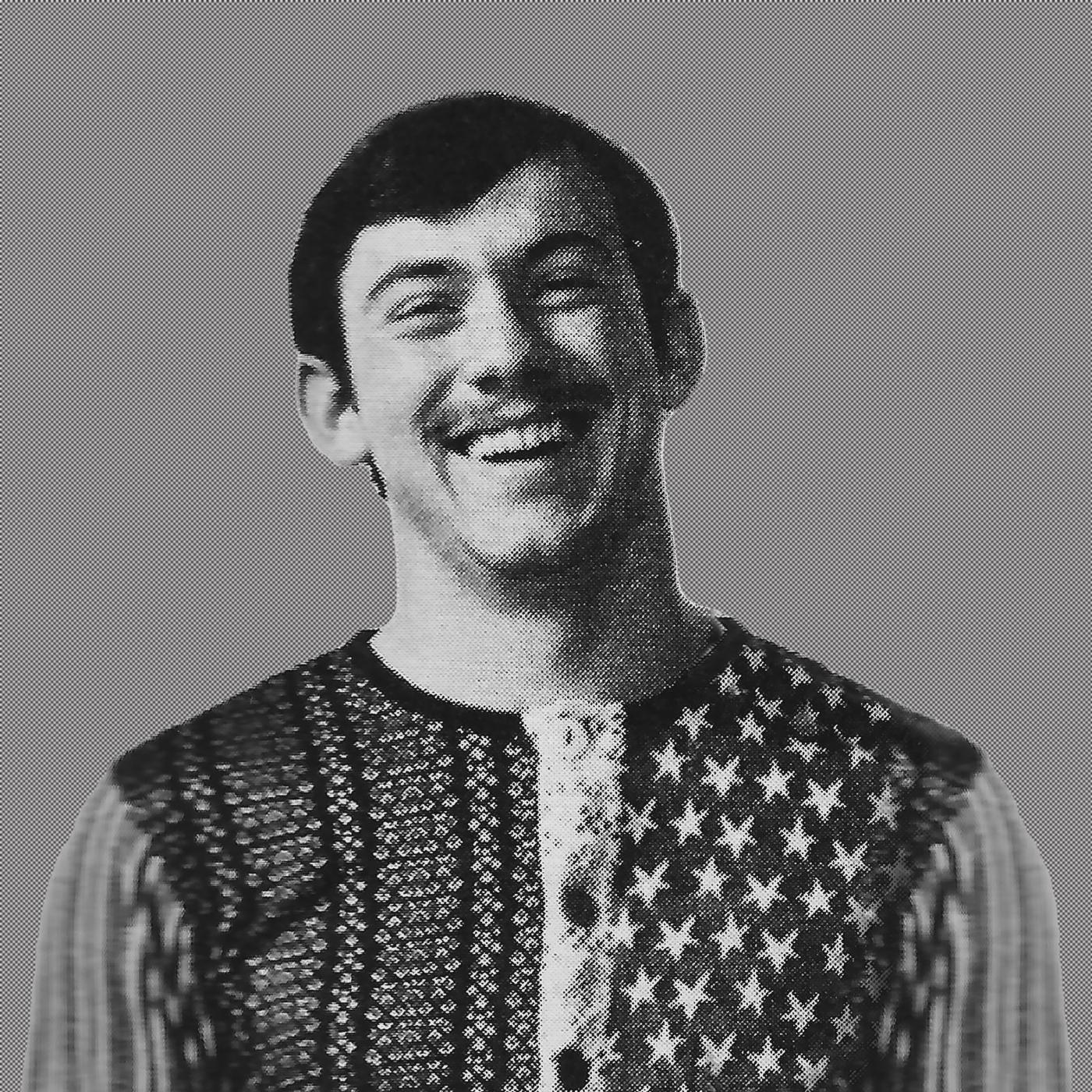
87. T.L. Miller pt. 2
Transcript
Mr. Jim: Welcome to the Memory show, Mr. Miller.
Mr. Miller: Thank you very much.
Mr. Jim: You've been on before, but because you were just acknowledged as one of those folks who has contributed to this parish, we thought we would have you back on again.
Mr. Miller: I thank you very much.
Mr. Jim: That's not so much an honor somebody bestows on you, as it is just a recognition of the time and effort you put in over a number of years. That's no big honor as much as it is an appreciation and a recognition, so we're glad you're here.
Mr. Miller: Well, I am too and I think it's the highest honor I've ever had. Had a lot of small ones, but that's the highest honor I've ever had bestowed on me, and I'm going to try to live in the future as well as in the past.
Mr. Jim: Well, you've been living it in the past. How long have you been here in Natchitoches?
Mr. Miller: Since 1936.
Mr. Jim: What was it like then?
Mr. Miller: Well, it was a very distant town when I first come over here, but I had been in business in East Texas. And we were rights of sale when they came in here, which helped me a whole lot. And telling people who I was and so forth, which of course made me happy, because I had motives to do that. Well, the wife and I made up my mind, we were going to stay in Natchitoches.
Mr. Jim: You liked it?
Mr. Miller: We like Natchitoches. We've have good [inaudible 00:01:11] schools, and everything like that. Where you couldn't ask for anything better in a place to live than family. We had three children, and she did a pretty good job with them.
Mr. Jim: What did you do when you first came to Natchitoches?
Mr. Miller: I had pinball machines and cigarette machines and jukeboxes.
Mr. Jim: Uh-oh.
Mr. Miller: Outlaw.
Mr. Jim: People thought you were an outlaw?
Mr. Miller: [inaudible 00:01:38] Some of them would perceive me here at the slot machine venue, and I did have that kind of stuff.
Mr. Jim: I bet there was still some slot machines around, while you was doing that.
Mr. Miller: Lots of them out in the country and different places, but we didn't associate with them.
Mr. Jim: Well, in the time you have been in Natchitoches, you've had a chance to know a lot of different kinds of people. And you know its people that make a city go, where all kinds of interesting folks and valuable folks around. Right before the show started, we were talking about the Haupt sisters.
Mr. Miller: Yes, they were my neighbors.
Mr. Jim: Who were they?
Mr. Miller: Well, it was two old maids that lived next door to me and had been teachers at the university for years and years and retired.
Mr. Jim: What did they teach?
Mr. Miller: Well, I just don't remember offhand what they did teach. But I remember they were well respected in their programs, that's for dang sure. I knew that.
Mr. Jim: Mm-hmm.
Mr. Miller: But what they did teach I didn't know them like that. But they were active in a lot of our charitable work. In fact, they did lots of charitable work for people, some of them I didn't know anything about. But people that couldn't get out and do things for themselves. They’d give canned foods, and things of that type [inaudible 00:02:50]. I think an awfully good job.
Mr. Jim: Do you remember any particular characteristics of their personalities?
Mr. Miller: Well, one thing I remember very well, they would come out on the street in their car, they drove very slow. And I've seen a number, I don't know many, but lots of cars behind them. Didn't know them and of course, they didn't know why they were doing that. But they were seriously behind the way they drove, and they never did have an accident. I didn't know anything about it and I knew them pretty well. But get out on the street and just turn the car a little behind them and people would honk and honk, finally turn off and then they would be all right. But that was there characteristic of driving in town for safety.
Mr. Jim: Everybody knew it was the Haupt sisters because of the lines of cars after them.
Mr. Miller: That's right. Can't move, it’s the Haupts.
Mr. Jim: Now who would drive?
Mr. Miller: I believe Miss Hope did the driving and I believe she was the one that drove. Couldn't see too good, neither one of them, far as that could be. But anyway, I think Miss Hope did the driving, Bertha directed her to a lot of the turns and things she made.
Mr. Jim: Mrs. Bertha would say, "You turn here.", and Miss Hope would try to make that turn.
Mr. Miller: That's right. That's correct.
Mr. Jim: And everybody just cleared out the way when they were coming.
Mr. Miller: Let them have it. They were very nice.
Mr. Jim: Some of the other people you knew growing up from around here?
Mr. Miller: Well, Mr. C.B. Kathy was a very close friend of mine. And he was a man that what he did for people, he didn't want any publicity on it at all. First time I ever met him in the store, I was going for a drive or something, I don't remember what it was. He said, "I'm going to give you some money, but I don't want my name in it." I said, "[inaudible 00:04:36]." Well, I learned him then and anything that he did, he did not want the public to know about what he did. But he enjoyed doing things for people. And what happened [inaudible 00:04:50]. And I do not remember his age, but he's pretty old now, in the last years of his life. We enjoyed getting him to places like that. And he did a lots for people but they did not know it.
Mr. Jim: He didn't want any attention.
Mr. Miller: That's correct. That's right.
Mr. Jim: Quite a few folks around like that.
Mr. Miller: Well?
Mr. Jim: Don't get any public recognition.
Mr. Miller: That's right. Well like my dealings, I did what I did, I did not do it for publicity.
Mr. Jim: Right.
Mr. Miller: I did it because I enjoyed it and enjoyed people and I still like people. And I still think consider that as my, I don't know what you'd call it, but anyway that's what I like.
Mr. Jim: Thank you Mr. Miller. We're going to take a break right now for People's Bank and Trust who are the sponsors of the Memories program. We'll be right back.
We're talking with Mr. T.L. Miller on the Memories program. I'm Jim Call, Mr. Miller we've been talking about some personalities that have been around Natchitoches since the time you've been here. And we were talking before the show, and you had mentioned Joe H. Henry. Now who is Mr. Henry?
Mr. Miller: Well, Mr. Henry was a manager at Melrose Plantation and it was a very big operation. And he worked all colored people, white people, all of those. All respected him very high, because he would go up to them and he was like some my other friends, biggest part of the stuff he did he didn't want the public to know anything about it. He'd go out of the way to help somebody who was in need of something. And I followed him quite a bit, and in fact he was my inspiration in the pecan business. He would ask me if I wanted to go with him, he’d call me up and say, "[inaudible 00:06:57]." Well, I learned pecan business from him, which he did know, and had several thousand acres of pecan trees. And he was an aggressive businessman.
Mr. Jim: I bet you've seen a lot of changes in the pecan business since you began.
Mr. Miller: Yes.
Mr. Jim: What was the pecan business back 20 years ago?
Mr. Miller: Well, 20 and 25 years ago the pecan business was a business that we didn't have shake machines, things of that type to take care of our pecan trees like we do now. But since the last few several years, we got machines that sorts the pecans. Where we used to, we would have to get up there with our feet and shake the limbs to get the pecans down. Now we got the harvesters to harvest the pecans, where we used to have to pick them up by hand. And then they got the cleaners, where we would pick them up by hand and clean them. Whereas these are already clean, ready. Machines are the foundations for the pecan business, like the cotton industry and everything like that had machines to harvest the product with.
Mr. Jim: So back 20-25 years ago, you would have to hire men to climb up into trees, and shake them down, and pick them up, or is it a lot more work?
Mr. Miller: That's right. Then we'd bring them in and screen, screen out the bad stuff and that type was replaced with cleaners they call them. They clean all that stuff out of them.
Mr. Jim: What were prices like 20 years ago for pecans.
Mr. Miller: Oh, about 25 cents or 30 cents a pound, for good ones.
Mr. Jim: Ah-huh, that's amazing.
Mr. Miller: But now, year before last now, they were a dollar a pound.
Mr. Jim: Mm-hmm.
Mr. Miller: And this year about 65 cents. Which the price of pecans now depends on the production. You have a good crop come, your price goes down, sour crop price goes up.
Mr. Jim: Supply and demand.
Mr. Miller: That's correct. That's the best thing you need in the shop, supply and demand. Instead of all the sources and revenue being brought in. Supply and demand is best of all.
Mr. Jim: Mr. Stewart, we got time for one more memory. What are the other kinds of folks you remember around here?
Mr. Miller: Well, I think one of the things I remember and enjoy as much as I ever did anything in my life, was following the high school football boys. Tom Rankin and Trent Mueller was coaches up there, and to let some of the younger boys go out of town on the road, I'd take my pickup truck and put the equipment in that. So that the other boys could go on the bus, go out of town.
One time in particular, I remember, that I'll never forget we were down at the river to play ball one night and the weather was a little bad. And I come out on the road and [inaudible 00:09:51]. But the point I'm getting to though is, the boys liked to ride back in the back of the pickup truck on the equipment. There’s 3 or 4 boys in the backend and two of them up in front. So, before we got to Many, the street got pretty bad and cool back there and knocked on the window of the truck and said, "Mr. Miller can we stop in Many and get something to drink", which I remember [inaudible 00:10:03]. So we stopped and got something to drink, and got back under the tarp. But I remember, I never did feel bad, but I never could get them to ride back in the back any more.
Mr. Jim: You were furnishing bus service, but that open air stop and bad weather was not any good.
Mr. Miller: Oh, they were good on that. "I don't like to ride back there".
Mr. Jim: We appreciate you coming and visiting with us this morning. We thank you and just want to give you our congratulations for the honor bestowed upon you by the Chamber of Commerce.
Mr. Miller: Thank you very much.
Mr. Jim: Thank you.
Jim Colley speaks with T.L. Miller about moving to Natchitoches in the 1930s with his wife and the personalities he remembers in town.