



Last updated: August 27, 2026
Place
Upper Missouri River Breaks Interpretive Center
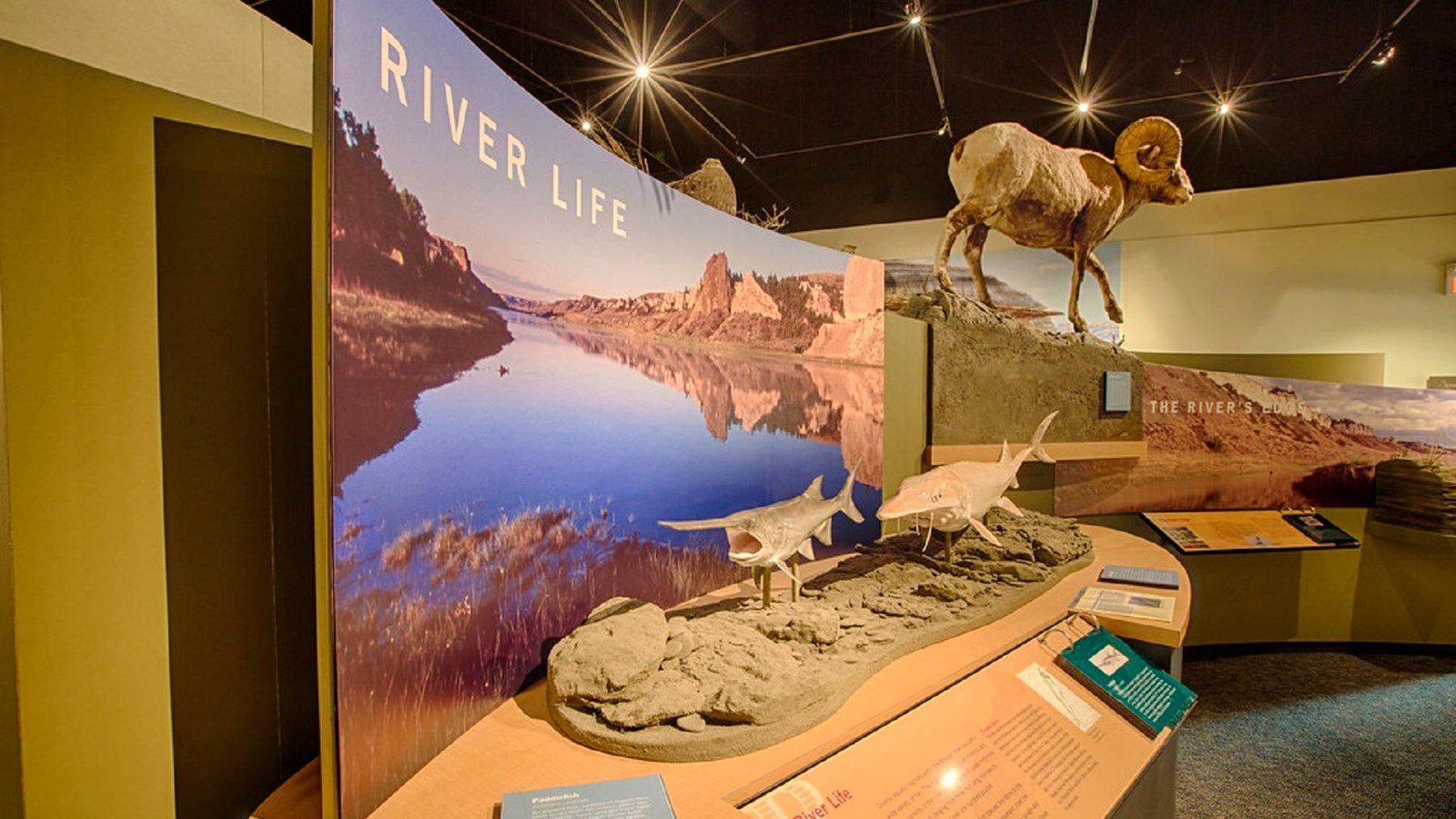
© mypubliclands, licensed under CC BY 2.0
Quick Facts
Location:
701 7th Street, Fort Benton, MT 59442
Designation:
National Monument
MANAGED BY:
Amenities
23 listed
Accessible Rooms, Accessible Sites, Benches/Seating, Captioned Media, Entrance Passes for Sale, Gifts/Souvenirs/Books, Historical/Interpretive Information/Exhibits, Information, Information - Maps Available, Information - Ranger/Staff Member Present, Information Kiosk/Bulletin Board, Junior Ranger Booklet Available, Parking - Auto, Permits Issued, Restroom, Restroom - Accessible, Tactile Exhibit, Theater/Auditorium, Ticket Sales, Toilet - Flush, Trailhead, Trash/Litter Receptacles, Wheelchair Accessible
The Upper Missouri River Breaks Interpretive Center, located on the banks of the Missouri River, is part of the Upper Missouri River Breaks National Monument. For those seeking a deeper understanding of the area’s history, it’s an essential stop on your trip offering a museum, a theater, and multiple exhibits conveying the significance of this storied land and river, thus enriching your experience. Exhibits include Native American artifacts, a scale model of the surrounding landscape, and many interactive displays. The Interpretive Center also provides multiple stations and spaces dedicated to the area’s native species, including many birds, fish, and large mammals such as Bighorn Sheep.
When Meriwether Lewis and William Clark passed through the area in 1805, they marveled at the natural beauty they saw. The breaks later served as a central hub for steamboats carrying fortune seekers and gold hunters, all eager to try their luck what had come to be known as “the world’s innermost port.” The Nez Perce also passed through this area in 1877 while fleeing from the U.S. Calvary to avoid being forced onto a reservation. Today, visitors can experience aspects of this history by visiting the interpretive center’s replica freight wagon and pilot house, and learn about other important moments in local regional history, including the mining economy, the westward American migration, and the effects that westward expansion had on indeginous populations.
Visitor info:
The Upper Missouri River Breaks Interpretive Center is open seasonally. For more information and current hours, call (406) 622-4000 or visit their website. Admission is free.