


Last updated: March 4, 2026
Place
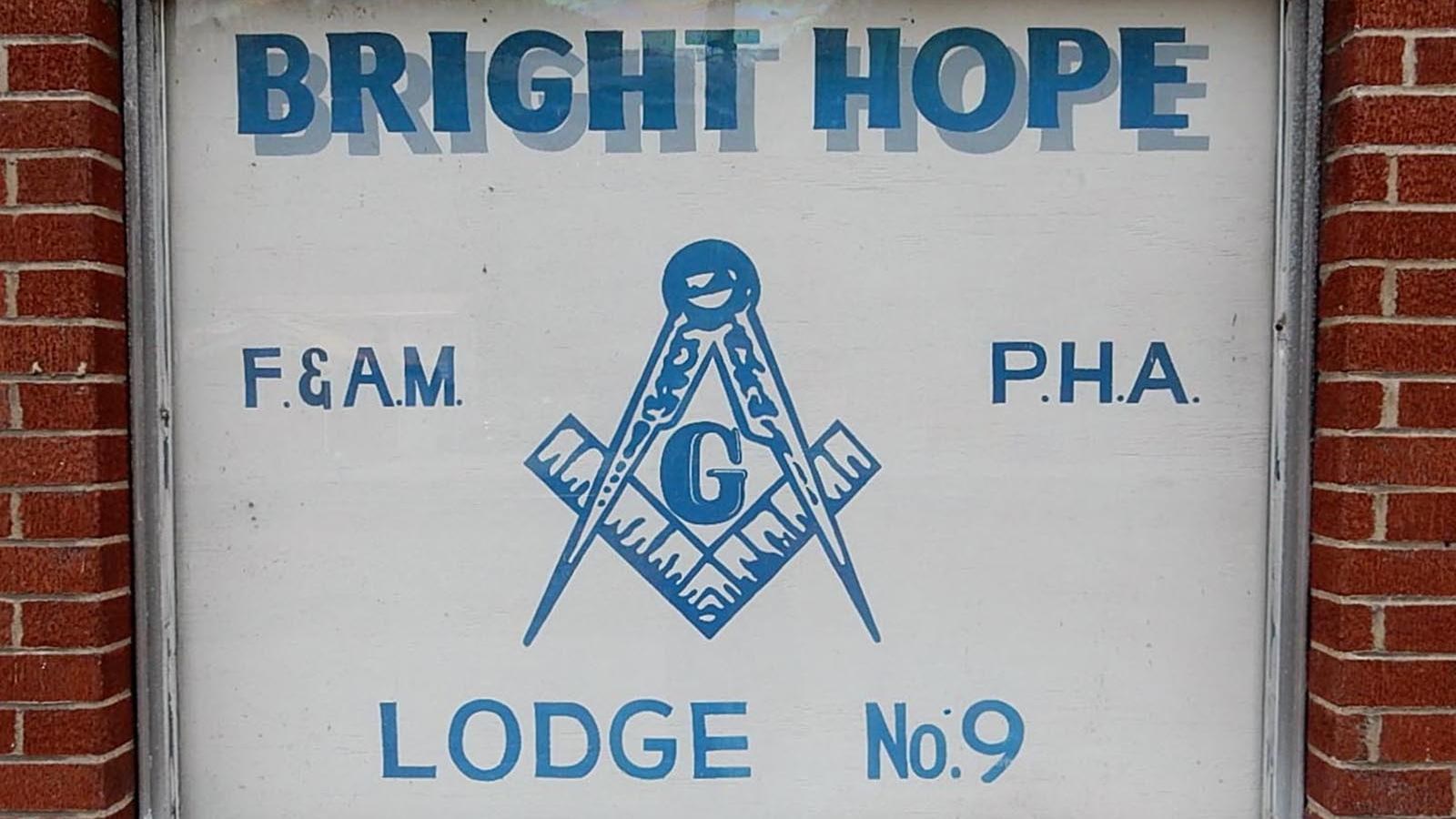
Bright Hope Lodge
Mark Bollinger
Quick Facts
Location:
Montgomery, WV
Significance:
Bright Hope Lodge # 9 and Naomi Chapter #10 have helped to create positive role models for African American males and females, promote African American heritage and culture, instill spiritual ideals, and serve as an example of unity and strength.
OPEN TO PUBLIC:
No
African American Heritage Driving Tour Stop 8: African American Fraternal Organizations
If using the NPS app, to listen to the audio narrative, press the green button below or read the audio narrative text below.
This tour stop is not advised for trailers, RVs, or motorhomes due to narrow roadways, limited parking, and difficulty turning around.
Audio Narrative
Written by: Dr. Brucella Jordan
Narrated by: Joshua Flynn
African American fraternal organizations, like Bright Hope Lodge #9 here in Montgomery, WV began as a means of meeting the economic and social needs of the African American community. They shaped African American identity through rituals of brotherhood and protected members against poverty and other hardships. Although fraternal organizations originated in Free Black communities before the Civil War, thousands were founded during Reconstruction[1]
Fraternal organizations for Blacks and Whites began before governmental aid and other assistance programs existed for the poor. Segregation and discriminatory practices made obtaining what little help that was available even more difficult for African Americans. African American fraternal organizations became a back-up plan for their communities. By collecting membership dues, they were able to aid the poor, the unemployed, orphanages, and widows, often providing burial funds.[2]
The first Black Masonic Lodge was founded by Prince Hall and fifteen Black men in Boston, Massachusetts. Their 1874 request for permission from white American Lodge members to establish a chapter of black Masons was denied. In 1887, however, their petition to the Grand Lodge of England, where White American fraternal orders had originated, was honored and a charter was granted.[3]
The influx of African Americans recruited into West Virginia in the late 19th and early 20th centuries brought a consistent increase in the formation of African American fraternal organizations. Steady employment on railroads and in coal mines made it easier for workers to pay dues in fraternal societies. Their membership brought a sense of unity and provided a social outlet for them and their families.[4]
Bright Hope Lodge was organized on January 22, 1889 in Coal Valley, Fayette County. Coal Valley later became Montgomery, West Virginia. The official name was Bright Hope Lodge #12 and meetings were held in the first Lodge Hall, built on Third Avenue in 1890.5 The Lodge experienced significant growth in the 1890s and the early years of 1900; however, the Great Depression brought a decline in membership. A merger of lodges in 1946 gave rise to Bright Hope Lodge # 9. This transformation took place under the leadership of Worshipful Master Joseph R. Lawrence, Sr. The current Lodge Hall was built in 1962. Membership dues and fundraising activities continue to sustain the organization, support lodge functions, and address community needs.
The sister organization of Bright Hope Lodge # 9 is Naomi Chapter # 10 Order of the Eastern Star. It was established in 1920. At that time they operated under the leadership of Lucy Hodge, the first Worthy Matron and Andrew Slaughter, the first Worthy Patron. Working in conjunction with their Lodge brothers, they support and participate in functions and events within the organization and the overall community.
Bright Hope Lodge # 9 and Naomi Chapter #10 have created positive role models for African American males and females, promoted African American heritage and culture, instilled spiritual ideals, and served as an example of unity and strength. The organization has awarded scholarships to deserving students, provided food for the needy, worked with senior citizen and domestic violence programs, and supported NAACP initiatives and research projects associated with health issues. In the process of creating social connections for themselves and helping others, the organization has gained significant respect and support from community residents, businesses, and legislators of Fayette County.
[1] Joe William Trotter, Coal, Class, and Color: Blacks in Southern West Virginia, 1915-32 (Urbana: University of Illinois Press, 1990), 198-213. National Park Service, U. S. Department of the Interior, African American Heritage at New River Gorge National River: Special Ethnographic Report, Boston, 2010, 177-182
[2] Ibid.
[3] John Hope Franklin, From Slavery to Freedom: A History of Negro Americans, 6th ed. (New York: McGraw Hill, Inc., 2000), 116-117.
[4] Trotter, Coal, Class, and Color, 200.
Additional Information
African American fraternal organizations, like Bright Hope Lodge #9 in Montgomery, WV began as a means of meeting the economic and social needs of the African American community. They shaped African American identity through rituals of brotherhood and protected members against poverty and other hardships. Although fraternal organizations originated in free black communities before the Civil War, thousands were founded during Reconstruction.
Fraternal organizations for black and white residents began before governmental aid and other assistance programs existed for the poor. Segregation and discriminatory practices made obtaining what little help that was available even more difficult for African Americans. African American fraternal organizations became a back-up plan for their communities. By collecting membership dues, they were able to aid the poor, the unemployed, orphanages, and widows, often providing burial funds.
Bright Hope Lodge was organized on January 22, 1889 in Coal Valley, Fayette County.
For the full story go to: African American Fraternal Organizations: Bright Hope Lodge #9; Montgomery, WV
Other nearby places of interest:
Simmons High School
Booker T. Washington Home and Monument
Driving Directions:
Physical Address: 65 Gaines Street, Montgomery, WV 25136
GPS Coordinates: N38.179942 -W81.315825
From Beckley, WV: Take Highway 19 north to Oak Hill, WV. Take the East Oak Hill exit and turn left at the top of exit ramp onto Main Street/Highway 16 south. Drive through downtown Oak Hill and turn right on Highway 61 north (Jones Street). Travel approximately 23 miles to Montgomery, WV. Pass the Montgomery City sign and turn right on the first road (Gaines Street) after the City sign and before you drive under the overpass. Tour Stop #8 and parking is in front of the lodge.
From Fayetteville, WV: Take Highway 19 south to Oak Hill, WV. Take the Main Street, Oak Hill exit and turn right at the top of exit ramp onto Main Street/ Highway 16 south. Drive through downtown Oak Hill and turn right on Highway 61 north (Jones Street). Travel approximately 23 miles to Montgomery, WV. Pass the Montgomery City sign and turn right on the first road (Gaines Street) after the City sign and before you drive under the overpass. Tour Stop #8 and parking is in front of the lodge.
Directions to the next Tour Stop:
Harlem Heights
Physical Address: 10 Broadway Avenue, Oak Hill, WV 25901
GPS Coordinates: N37.998485 -W81.131346
From the Bright Hope Lodge, return to the main road and turn left onto Hwy 61 south for 23 miles to Oak Hill. Turn left on Hwy 16 North (Main Street) and travel 2 miles to Russell E. Matthew’s Park and playground on the right. Turn right at the park onto Broadway Avenue. The Tour Stop #9 and parking is at the playground.
The requested video is no longer available.