Skip to SearchSkip to NavigationSkip to BodySkip to Footer
National Park Service LogoU.S. Department of the InteriorNational Park ServiceNational Park Service
National Park Service:  U.S. Department of the InteriorNational Park Service Arrowhead
Piscataway ParkPhoto of a garden.
view map
text size:largestlargernormal
printer friendly

Peaceful beauty

Two hundred years ago, George Washington described Mount Vernon by saying, "No estate in the United America is more pleasantly situated than this."
more...
 
Photo of a donkey

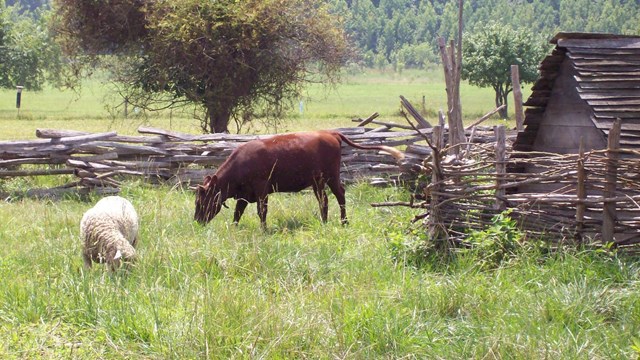
National Colonial Farm

A living history museum that depicts a Maryland middle-class family farm on the eve of the American Revolution.
more...
 

National Capital Parks-East

Welcome to National Capital Parks-East! We invite you to journey to parks Beyond the Capital of Washington, D.C. National Capital Parks-East is 13 park sites, parkways and statuary covering more than 8,000 acres of historic, cultural, and recreational parklands from Capitol Hill to the nearby Maryland suburbs.
more...


Beyond the Capital Visitor's Guide

The Summer 2009 edition of Beyond the Capital for a complete listing of events throughout National Capital Parks - East. You can check out the fun and educational activities taking place in our parks. There is something for everyone. So whether you are ready to hike, camp, relax, or learn, let the rangers of National Capital Parks - East help you Experience your America.
more...


Write to

13551 Fort Washington Road
Fort Washington, MD 20744

E-mail Us

Phone

Management Information
(301) 763-4600

National Colonial Farm Visitor Information
(301) 283-2113

Fax

(301) 763-1389

Climate

Spring and fall are generally comfortable with precipitation possible. Summers can be hot and humid (Average temperature in the summer is 86 degrees Fahrenheit).
July and August are the hottest months. Winters can be cold (Average temperature in the winter is 41 degrees Fahrenheit) with variable precipitation, with snow possible. Winter visitors must prepare for a variety of conditions especially along the river.
Skip to SearchSkip to NavigationSkip to BodySkip to Footer
Peirce Mill  

Did You Know?
The most productive time for Peirce Mill was during the Civil War. During this time, Peirce Mill and all the other millworks along Rock Creek were processing grains to supply flour and meal for Union soldiers stationed in Washington, DC and abroad.

Last Updated: June 25, 2009 at 21:34 EST