




NPS photo 
Life of the Sonoran DesertOrgan Pipe Cactus National Monument holds an extraordinary collection of plants, wildlife, and geologic wonders of the Sonoran Desert. The monument offers protection and sanctuary for many rare species that are not found elsewhere. Over thousands of years, the plants and wildlife of this region have adapted themselves to the extreme temperatures, intense sunlight, and the short but intense rainy seasons. The incredible scope of the monument, what and whom its held since time immemorial, and what and who use the area today have led to the United Nations designating this area an International Biosphere Reserve. Conservation, scientific research, and human connection with this natural wonder are invaluable in its protection. Click through the links to learn more about the organisms that call this "Green Desert" home, as well as the natural features and systems that shape and characterize this unique desert. 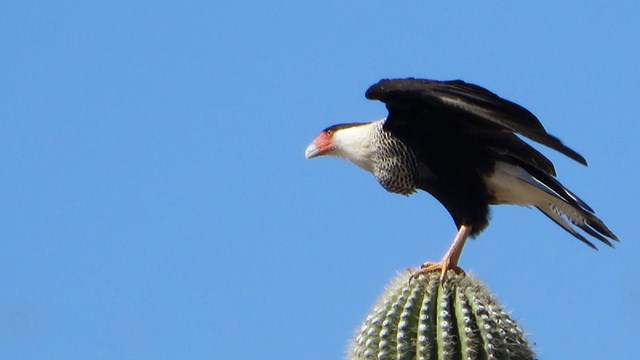
Wildlife
Discover the wildlife at the monument! 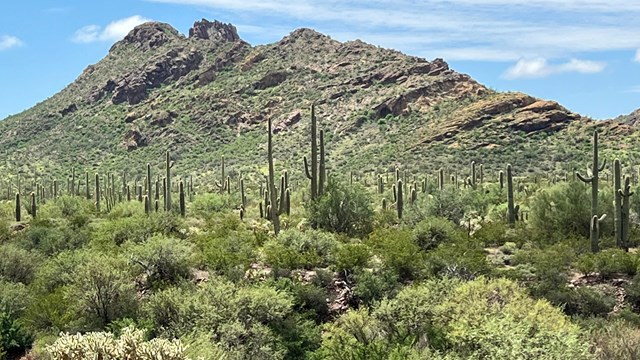
Plants
Learn more about the plants found at Organ Pipe National Monument. 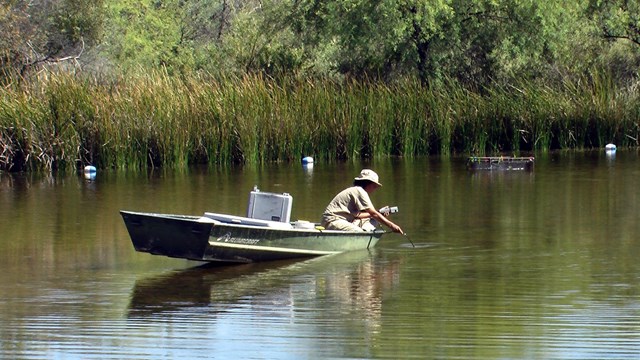
Science & Research
Learn more about the research happening in the Monument. 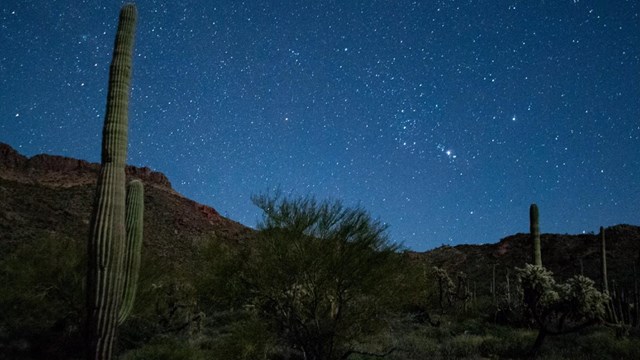
Natural Features & Ecosystems
Learn more about what makes the Sonoran Desert unique. Select a Park:Select a Species Category (optional):
Search results will be displayed here.
Loading results...
Tags:
plant
,
cactus
,
sonoran desert
,
vegetation
,
insect
,
animal
,
evolution
,
culture
,
man and nature
,
biosphere
,
biosphere reserves
|
 |
|
Last updated: September 21, 2023