An official website of the United States government
Here's how you know
Official websites use .gov A
.gov website belongs to an official government
organization in the United States.
Secure .gov websites use HTTPS A
lock (
) or https:// means you've safely connected to
the .gov website. Share sensitive information only on official,
secure websites.
Two worlds collide at the Historic Entrance of Mammoth Cave.
NPS Photo/ Anya Gupta
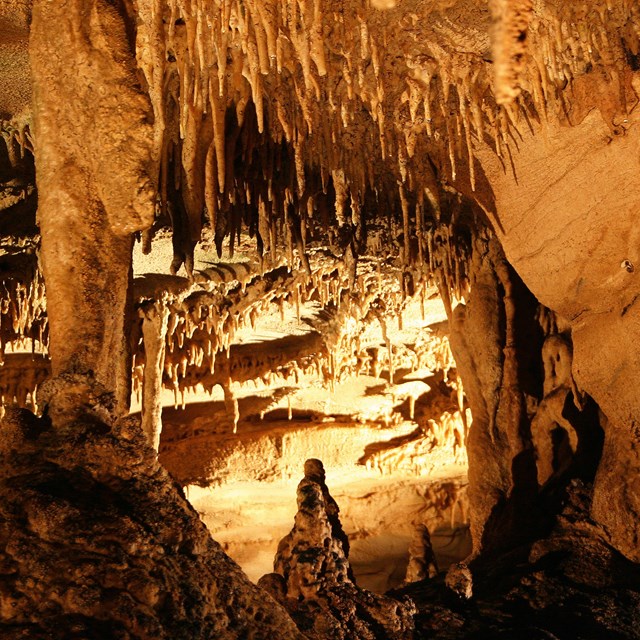
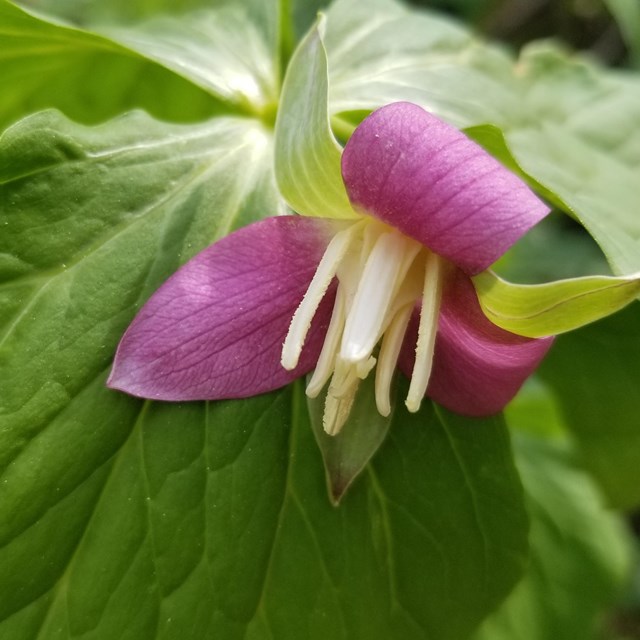
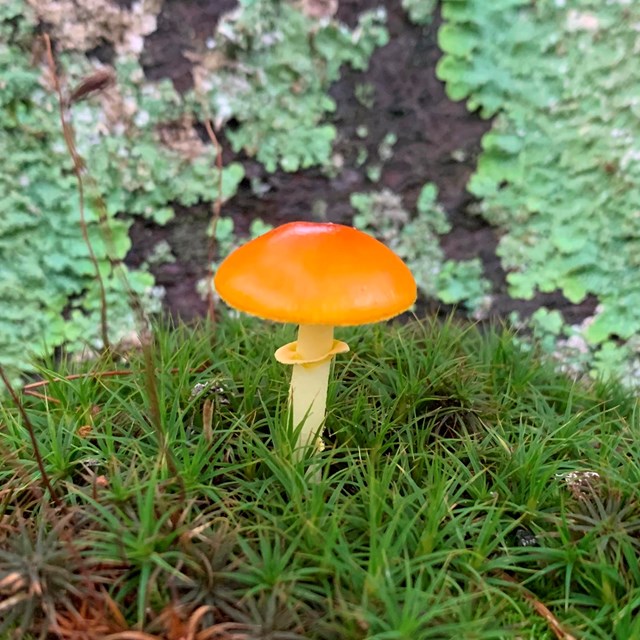
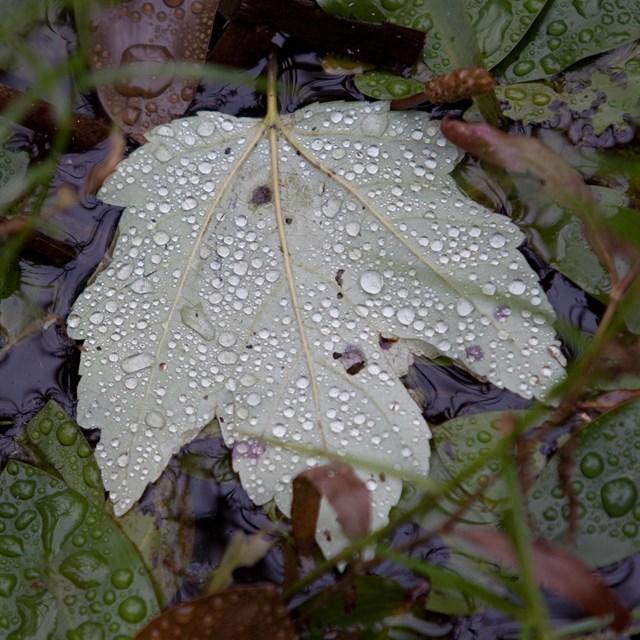
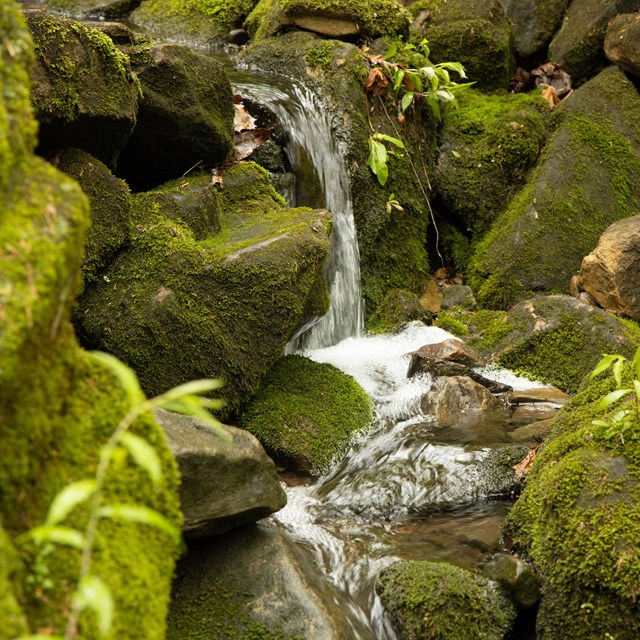
Mammoth Cave National Park was established in 1941 to not only protect the underground labyrinth of caves, but also the rolling hills of the surface, the vast deciduous forests, and the Green River Valley. Delicate interactions between the surface and subsurface help to sustain wildlife both above and below ground through the expansive karst topography and limestone layers. Thousands of plants and tree species have created a sprawling landscape stretching almost 53,000 acres, while the karst channels nutrients and water from the surface down into the cave depths.
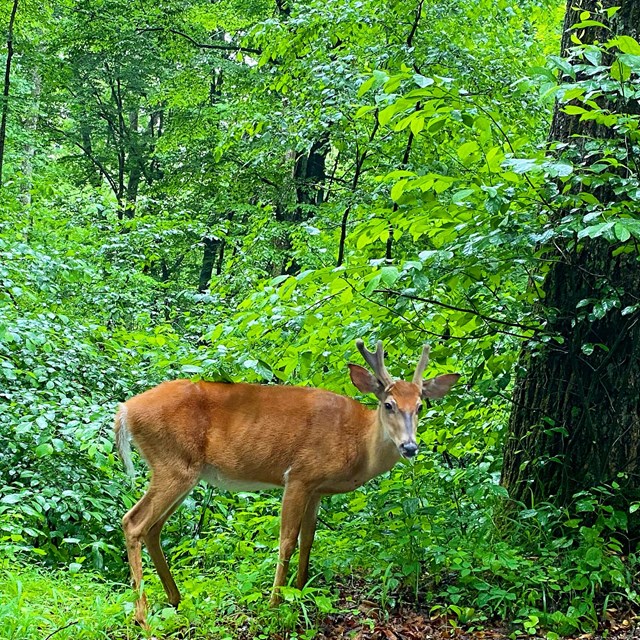
Studies and exploration have helped us understand that the relationship between the surface and the subsurface is more complex than we ever could have imagined. Specialized and interconnected ecosystems are home to a broad diversity of species, ranging from bright green saddleback caterpillars and white tailed deer, to eyeless fish that survive in the deepest, darkest recesses of the cave system.
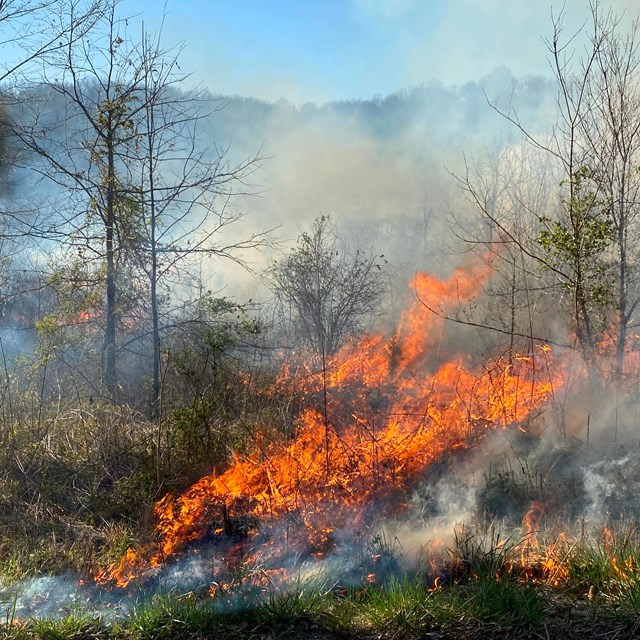
Our interactions with the surface no doubt have impacts on wildlife and plants in the park. Wildland fire control, and other environmental factors like nonnative species, and water quality can change the delicate balance of the surface and subterranean ecosystems at Mammoth Cave National Park. The park's challenge is to balance these remarkable and sometimes fragile living networks with the public's enjoyment of them. The key to that balance is knowledge, and the park's ongoing environmental monitoring programs and scientific research help provide that understanding.
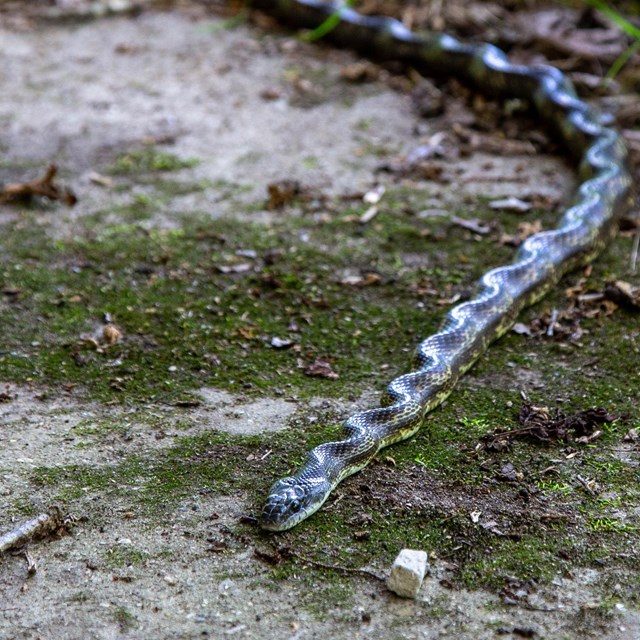
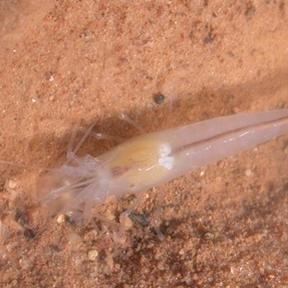
With rich biodiversity both on and under the surface, you may see the occasional slithering of a copperhead warming up on the pavement, a slimy cave salamander, fluttering hummingbirds and perhaps even a mussel buried deep into the bed of the Green River. If you are lucky, maybe you’ll come across a blind cave fish, Kentucky cave shrimp, or a small resting brown bat.