National Park Service LogoU.S. Department of the InteriorNational Park ServiceNational Park Service
National Park Service:  U.S. Department of the InteriorNational Park Service Arrowhead
Lyndon B. Johnson National Historical ParkJohnson Family Cemetery
view map
text size:largestlargernormal
printer friendly
Lyndon B. Johnson National Historical Park
Management
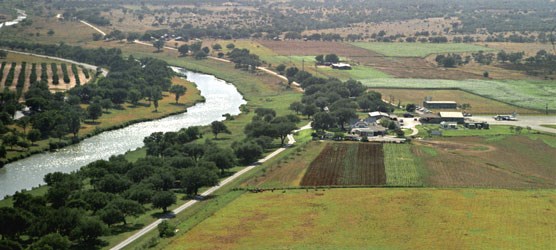
Aerial view of the Pedernales River and LBJ Ranch looking west (1967)
LBJ Library photo by Yoichi Okamoto
Aerial view of the Pedernales River and LBJ Ranch looking west (1967)
 

On December 2, 1969, Congress established Lyndon B. Johnson National Historic Site "to preserve in public ownership historically significant properties associated with the life of Lyndon B. Johnson." Renamed Lyndon B. Johnson National Historical Park on December 28, 1980, the park grew from the original site, which included President Johnson's boyhood home and birthplace, to an area of 674 acres encompassed within two distinct park units--the LBJ Ranch and Johnson City.

The two main purposes of the park are:

  • To research, preserve, and interpret significant resources and influences associated with the life and heritage of Lyndon B. Johnson.
  • To provide a variety of opportunities to experience the local and regional context that shaped the last frontier president, informed his policies and programs, and defined his legacy.

The management plans and information you will find in this section help guide the park in accomplishing these purposes. A number of these documents are in PDF format and require Adobe Acrobat Reader, available free online, to be viewed or printed.

Johnson Helicopter  

Did You Know?
Lyndon Johnson was the first candidate in history to campaign by helicopter. Known as "The Johnson City Windmill," it was used during his second bid for the U.S. Senate in 1948. Lyndon B. Johnson National Historical Park

Last Updated: January 25, 2007 at 15:32 EST