National Park Service LogoU.S. Department of the InteriorNational Park ServiceNational Park Service
National Park Service:  U.S. Department of the InteriorNational Park Service Arrowhead
Lewis & Clark National Historic TrailCorps of Discovery II traveling exhibit tents showing images of American Indian tribes that Lewis and Clark met on their journey.
view map
text size:largestlargernormal
printer friendly
Lewis & Clark National Historic Trail
Places
 
Portion of William Clark's map, published 1814.
Library of Congress
Portion of William Clark's map, published 1814.

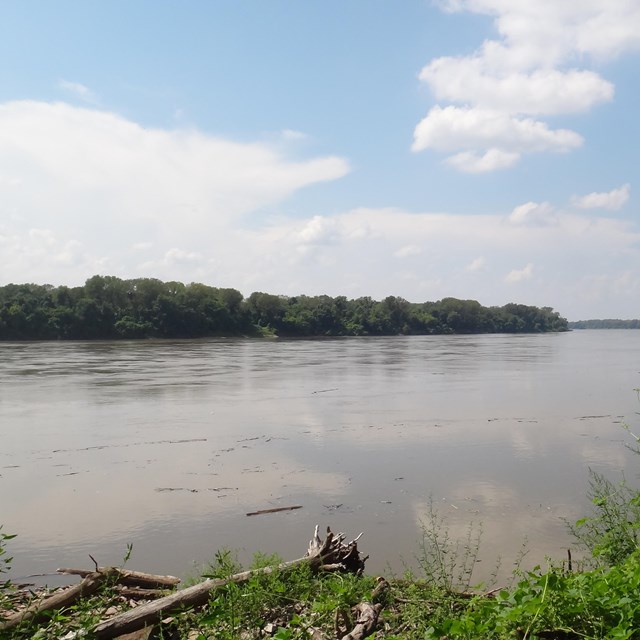
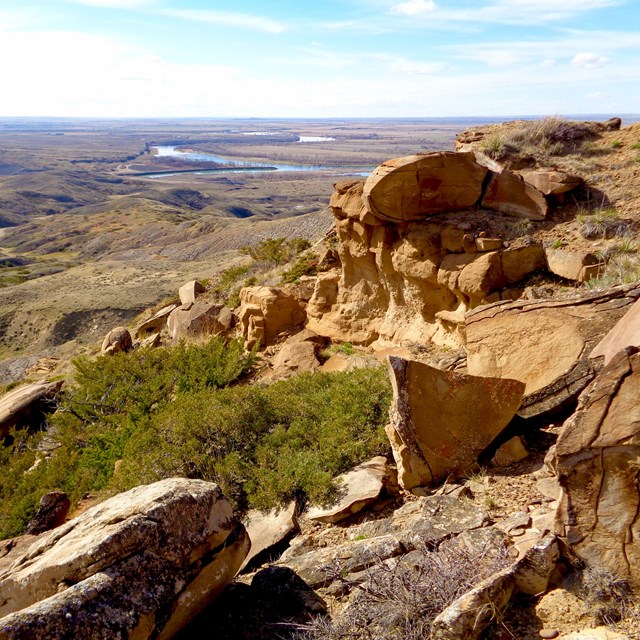
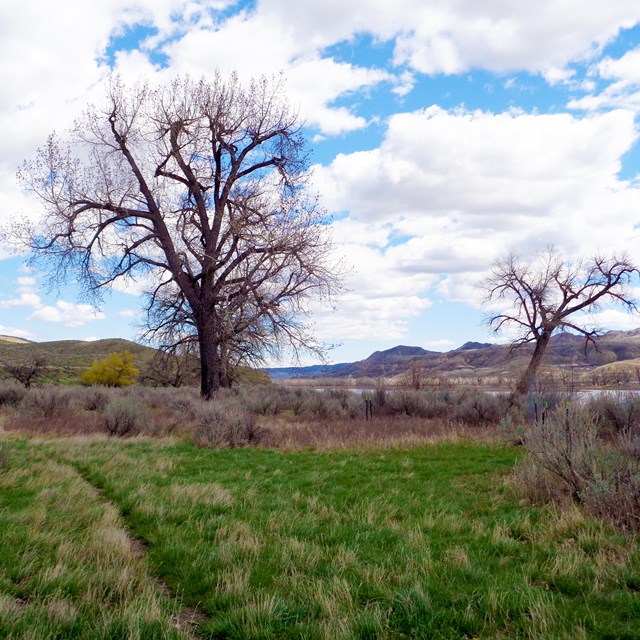
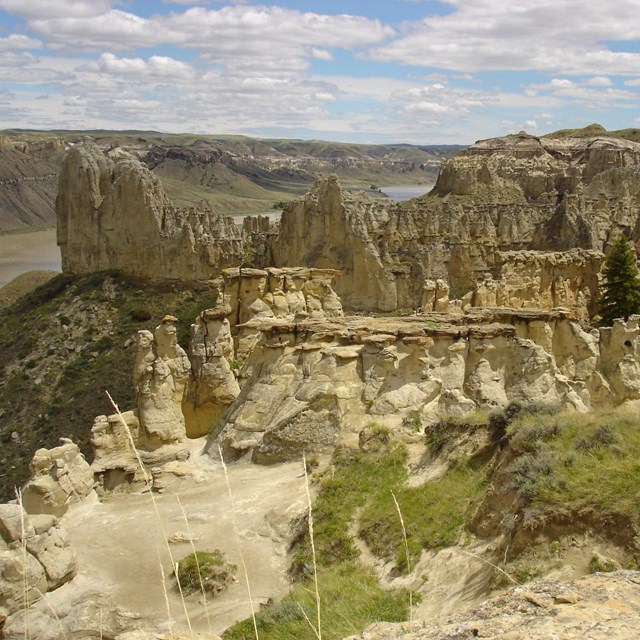
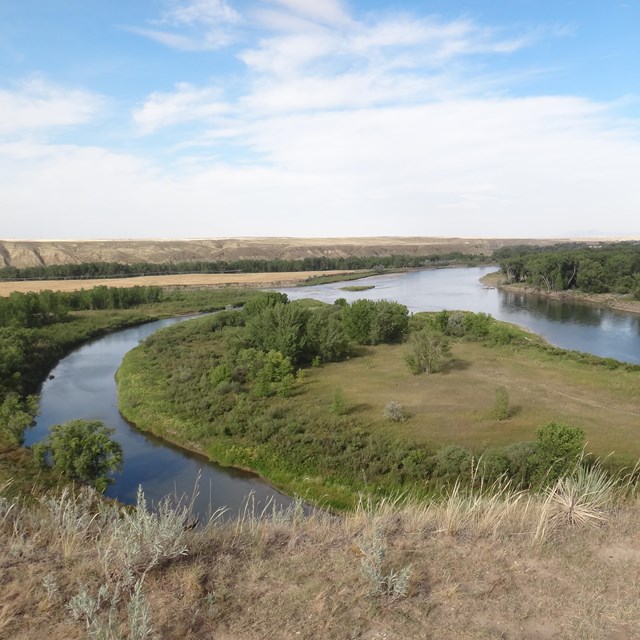
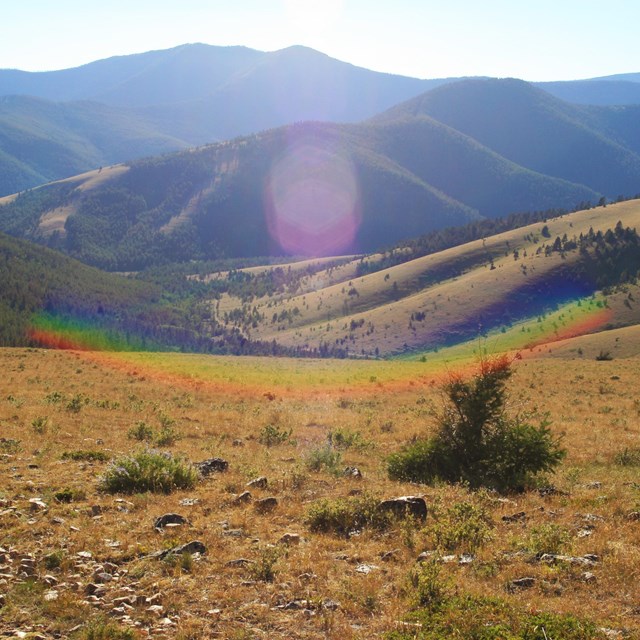
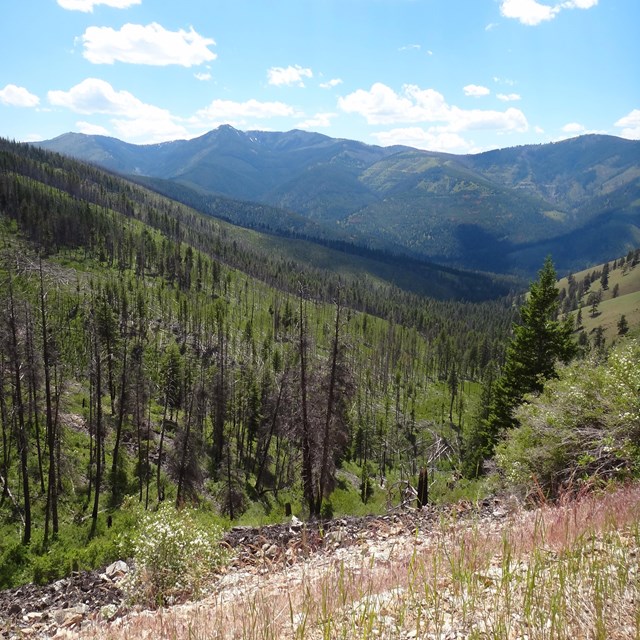
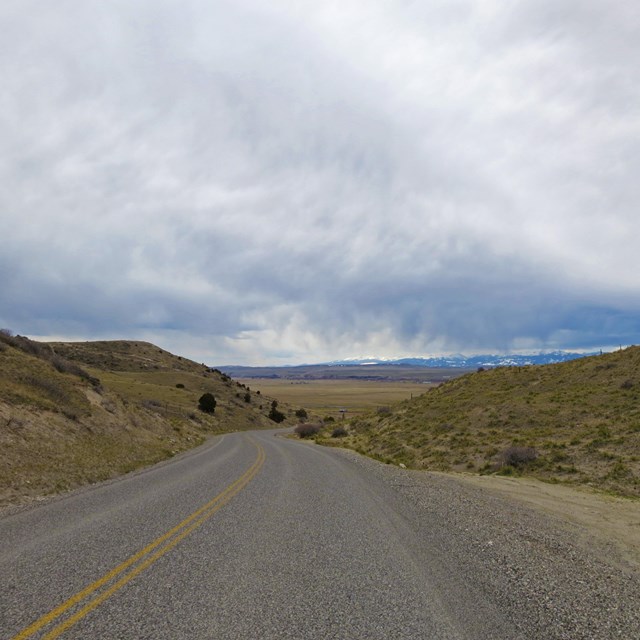
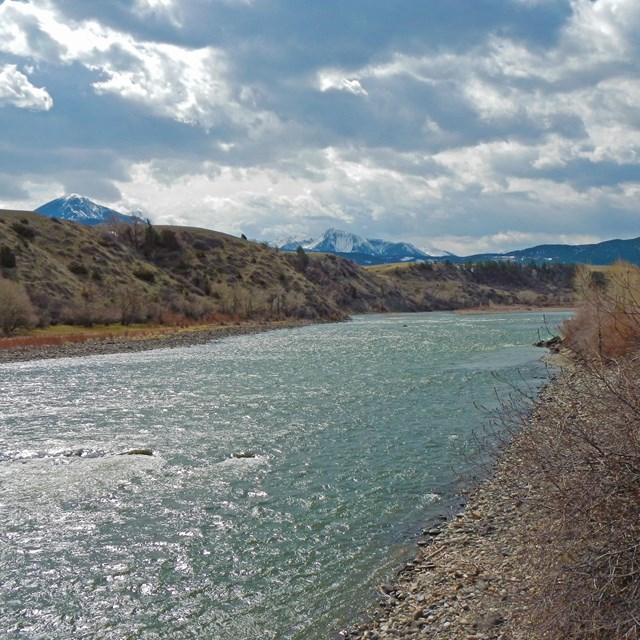
The members of the Corps of Discovery traveled over 3700 miles between May of 1804 and September of 1806. Their journey followed the courses of the Missouri and Columbia rivers. They crossed the Rocky and Bitteroot Mountains. They saw the Pacific Ocean. Although the lands they traveled were largely unknown to Euro-Americans, many American Indian tribes had called these places home for centuries. 

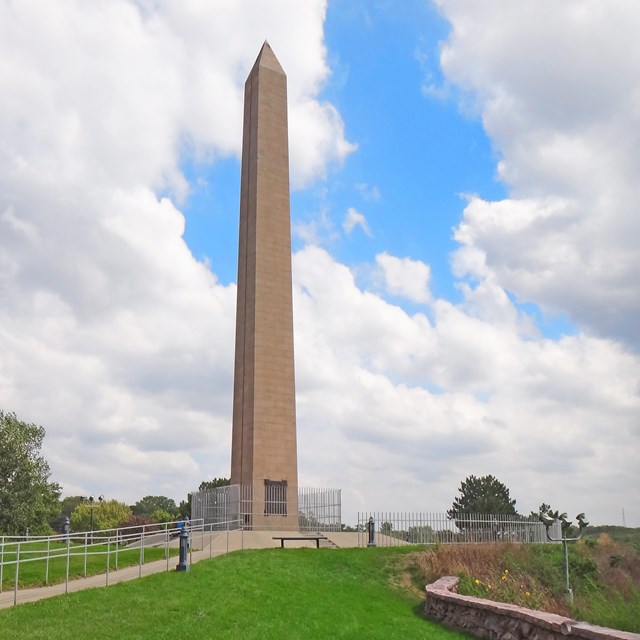
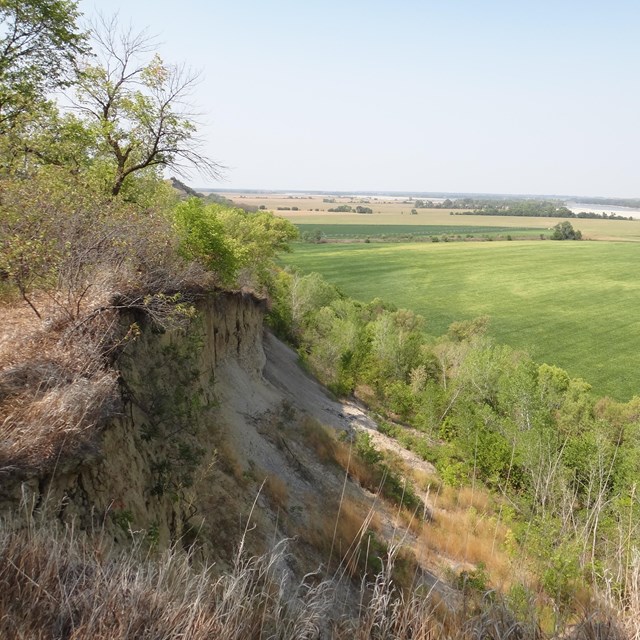
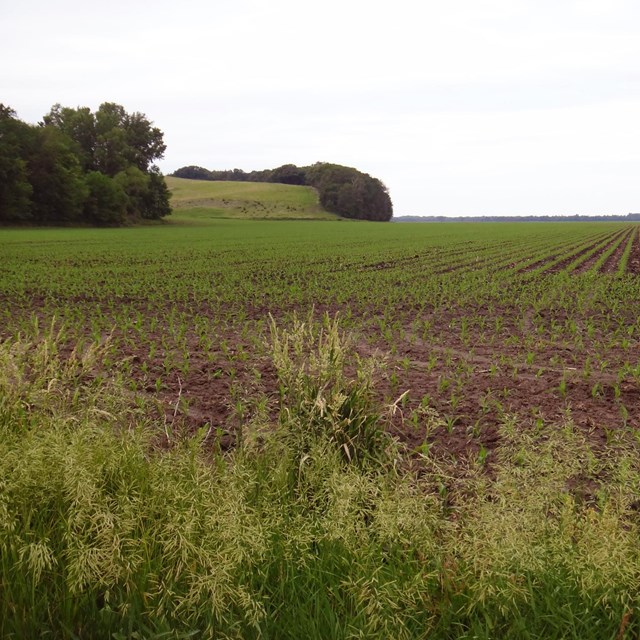
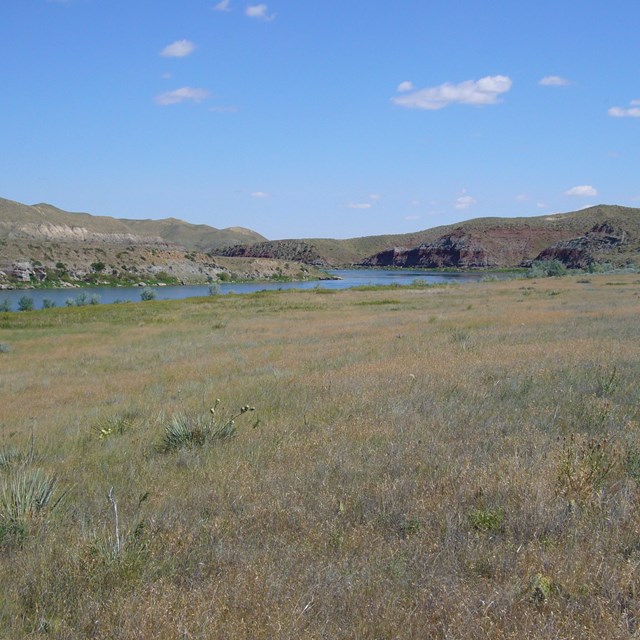
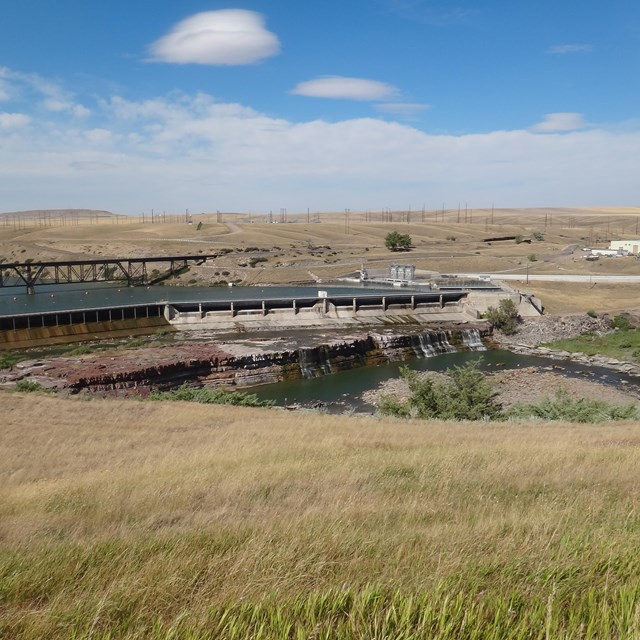
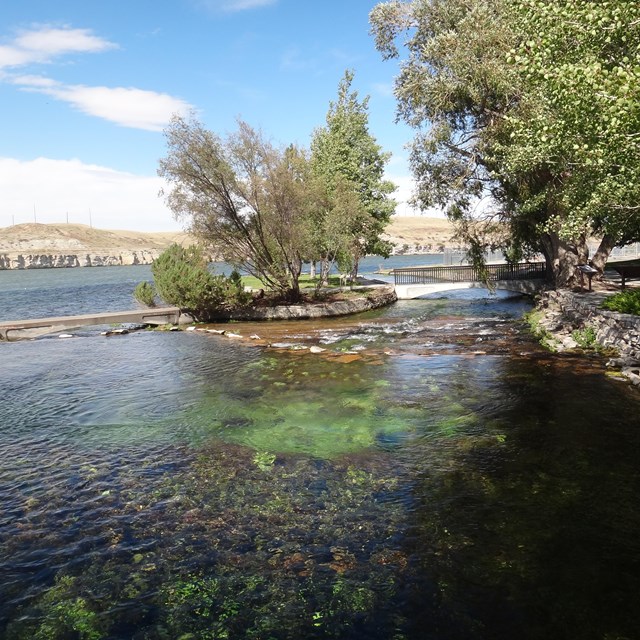
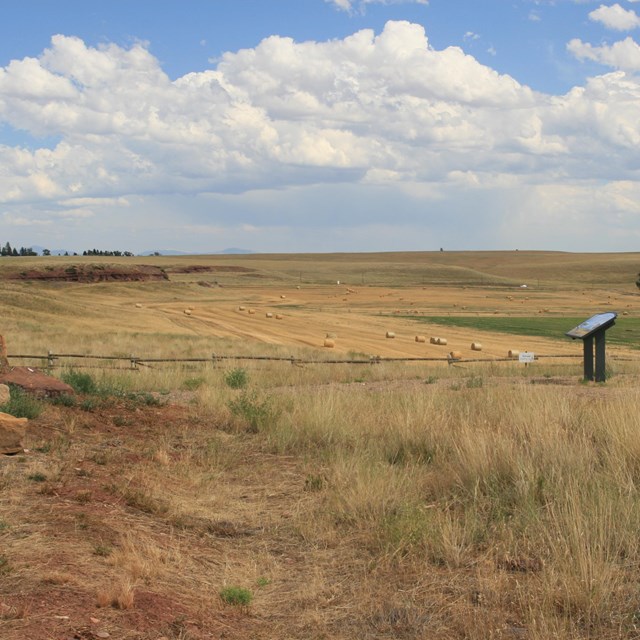
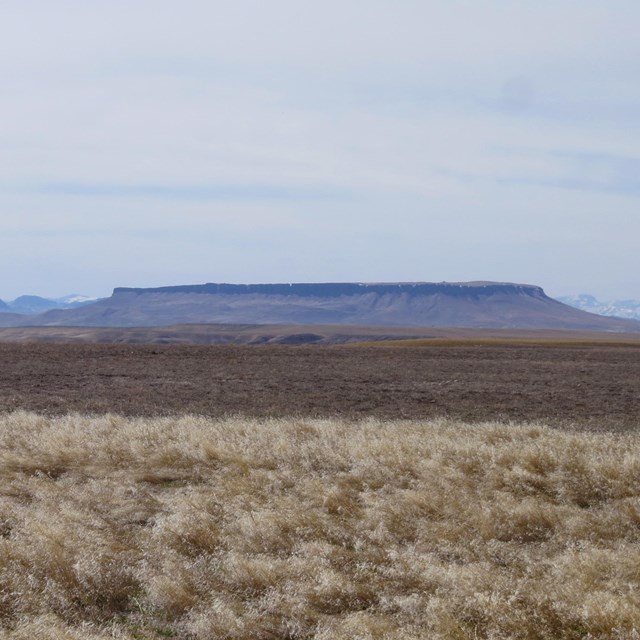
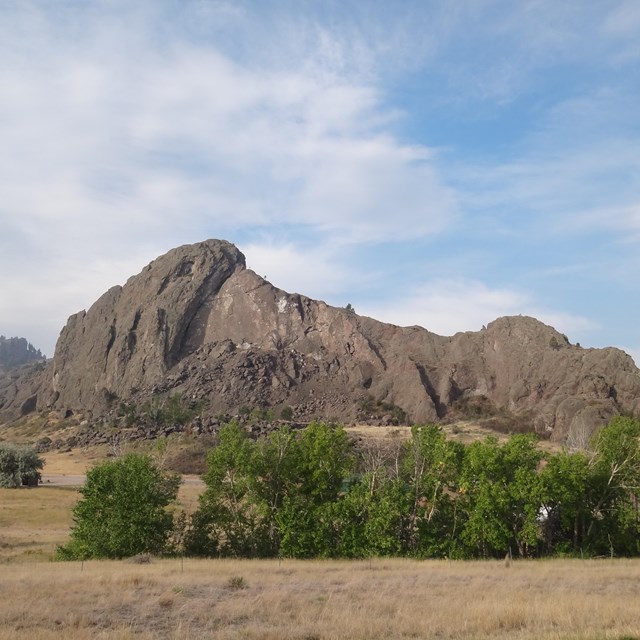
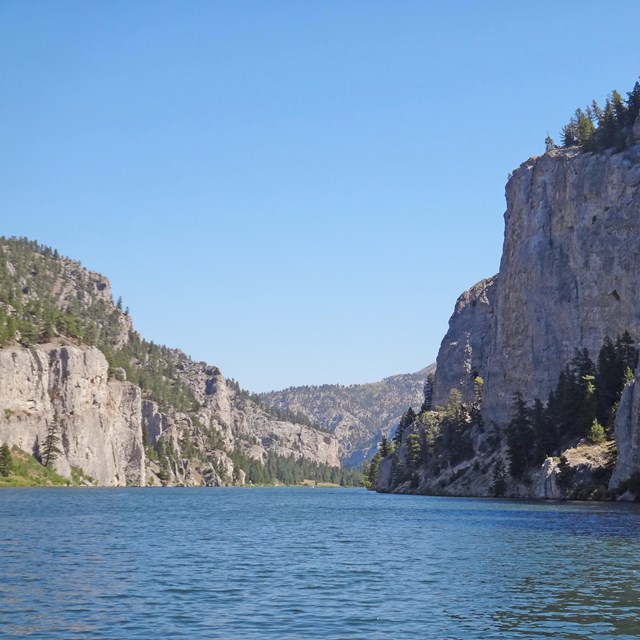
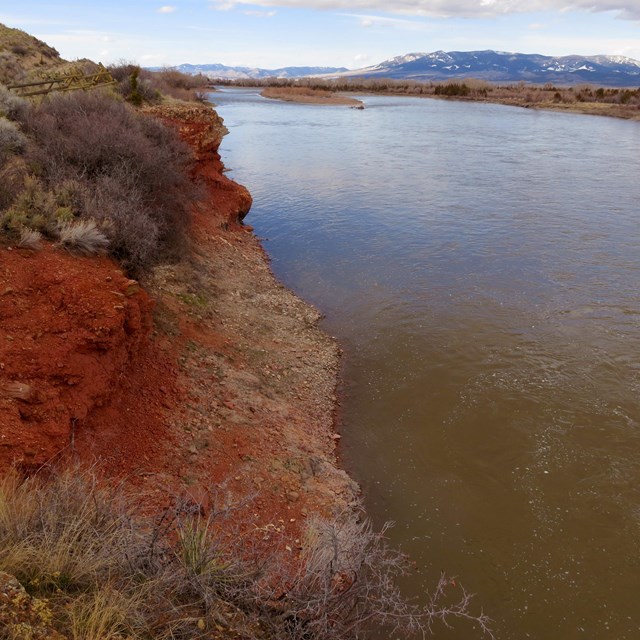
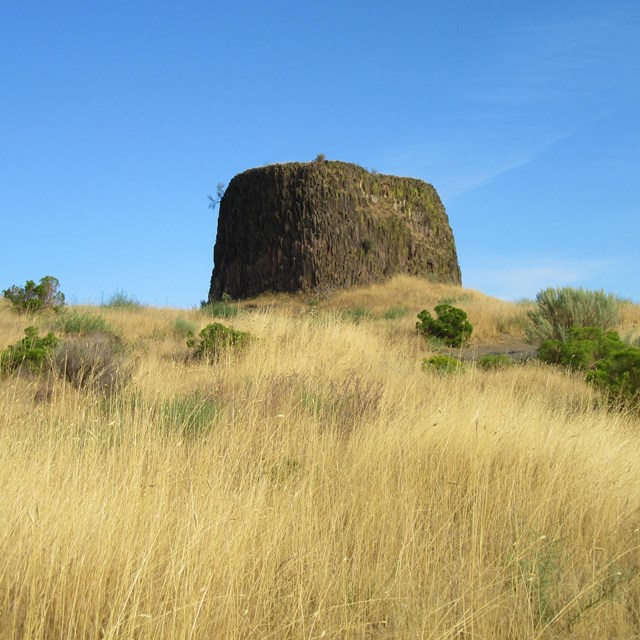
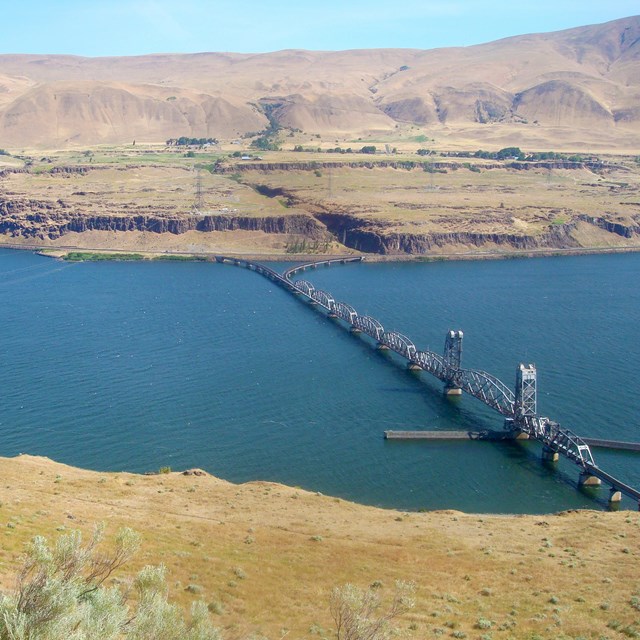
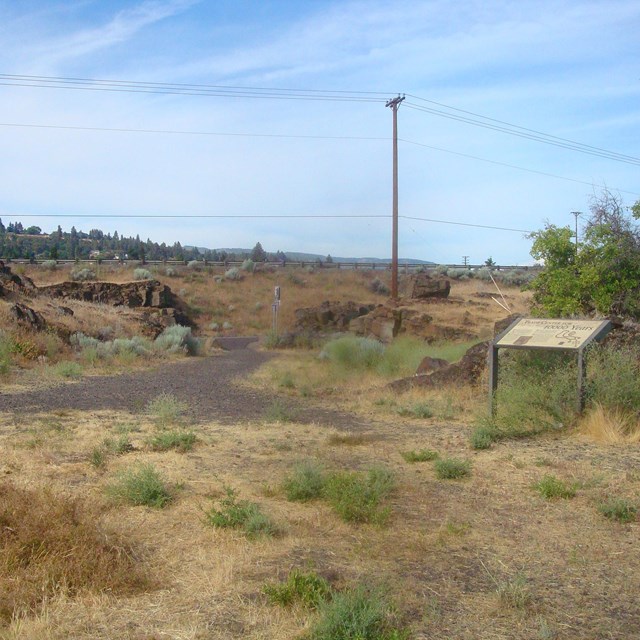
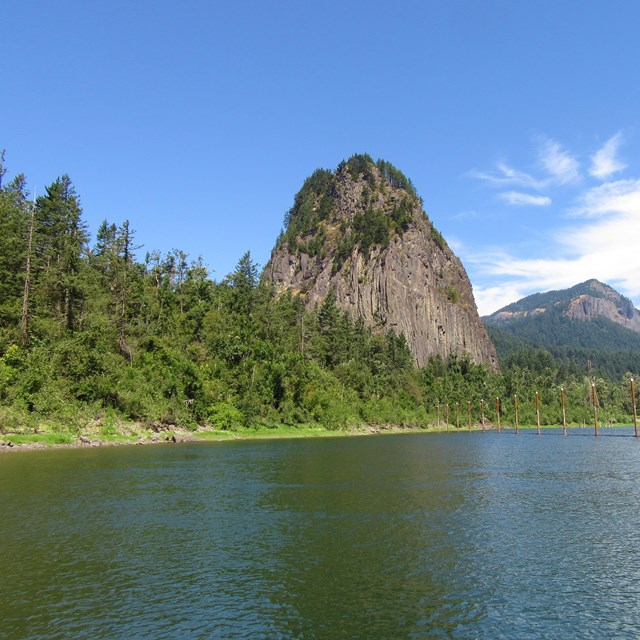
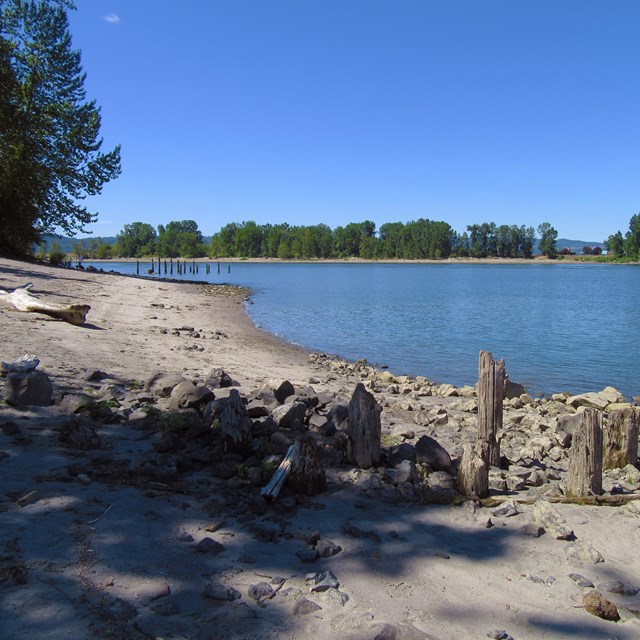
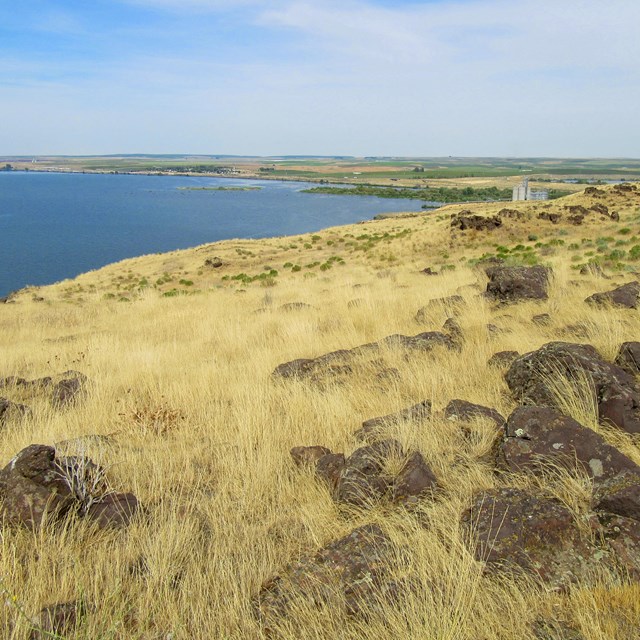
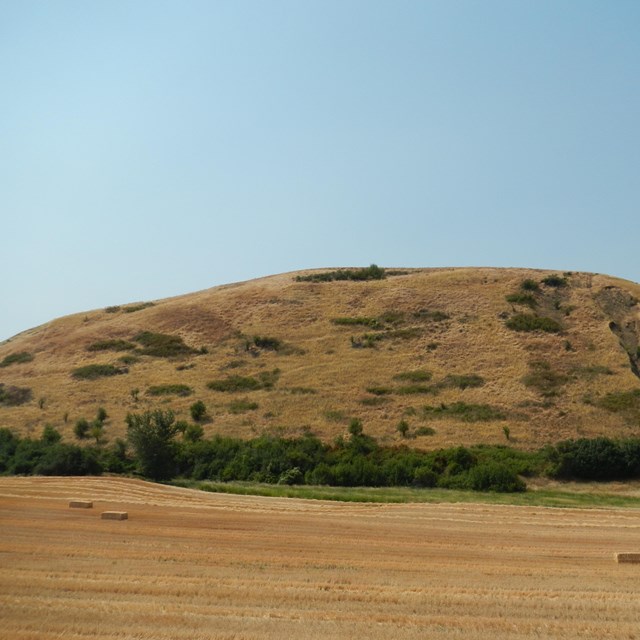
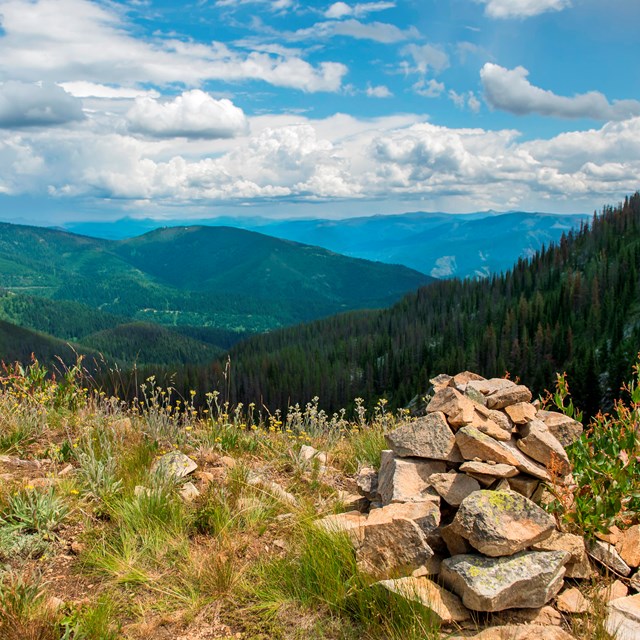
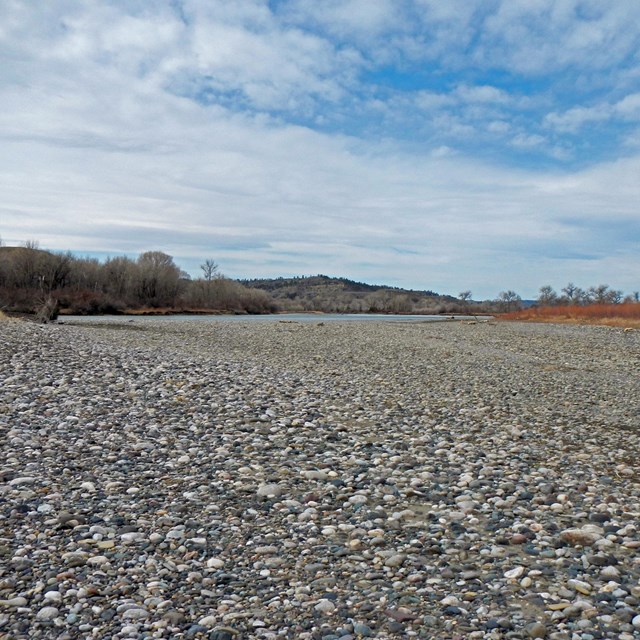
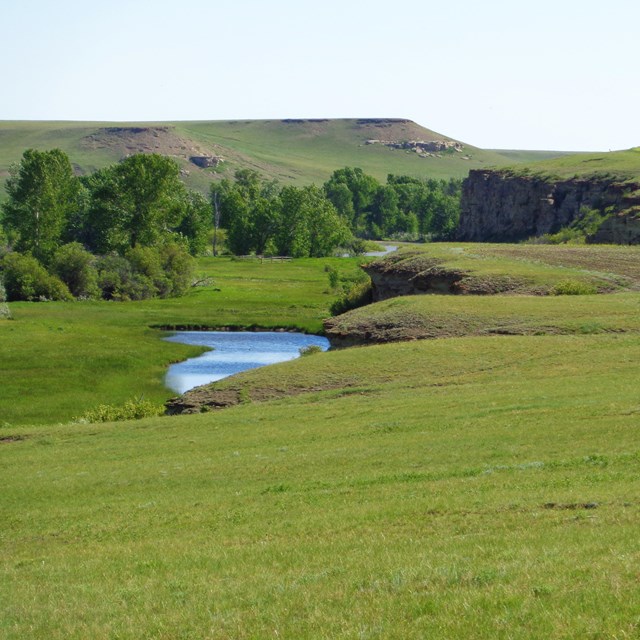
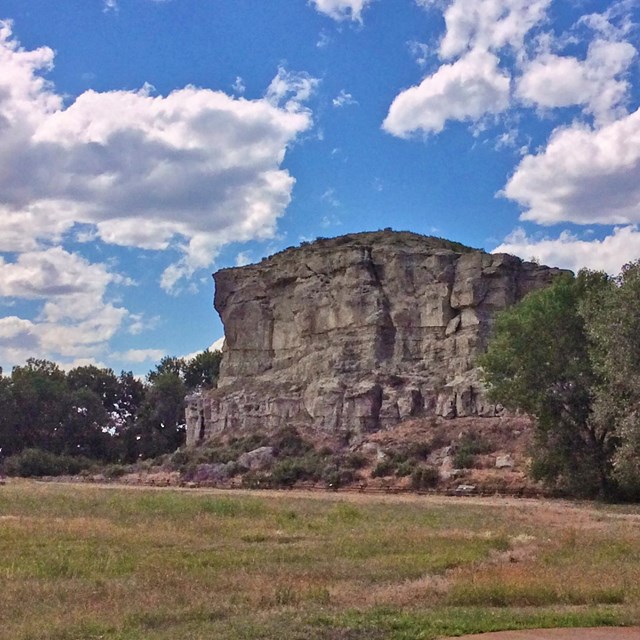
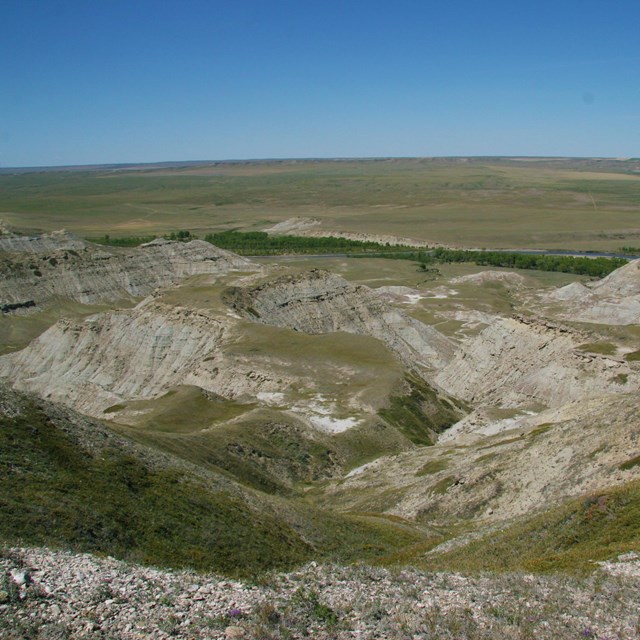
These are some of the significant sites of the Expedition:
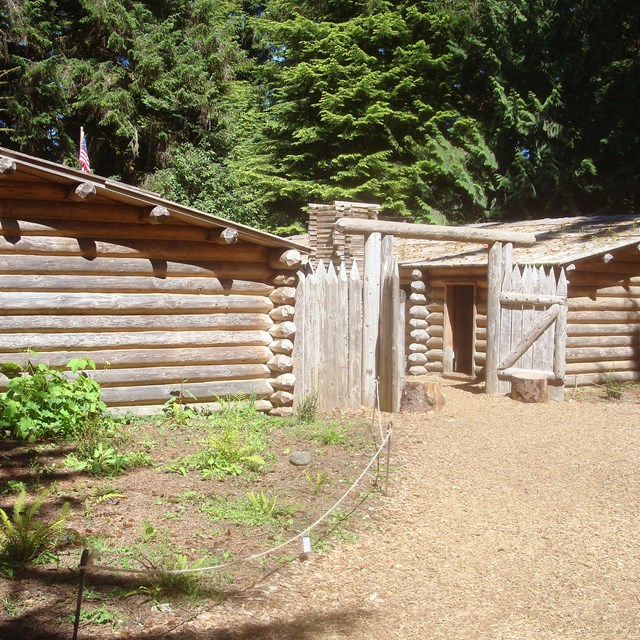
Fort Clatsop
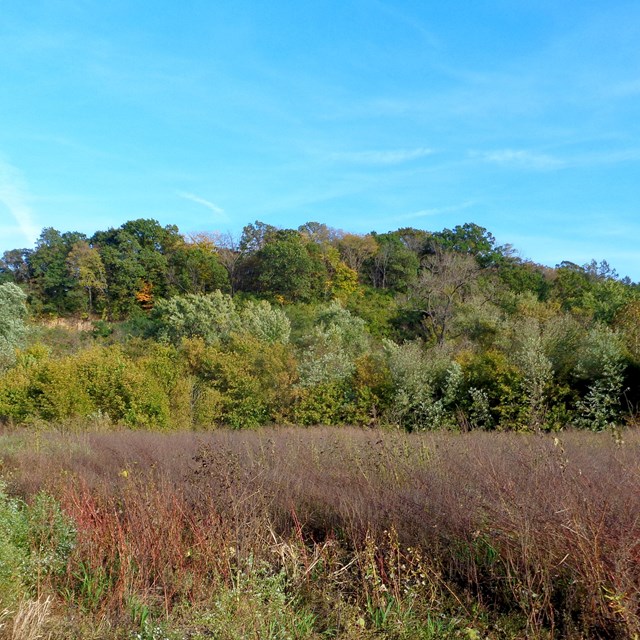
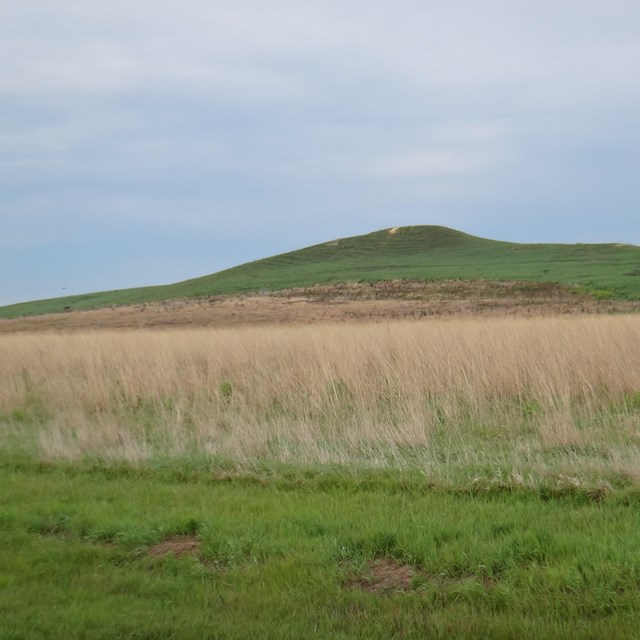
Spirit Mound
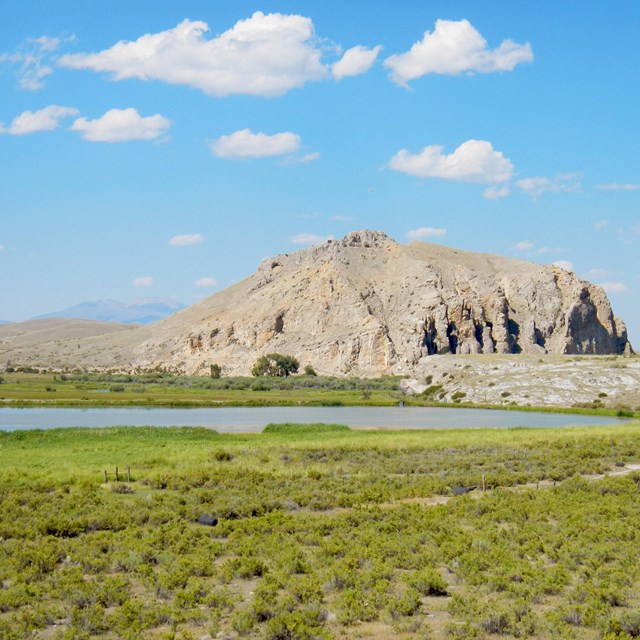
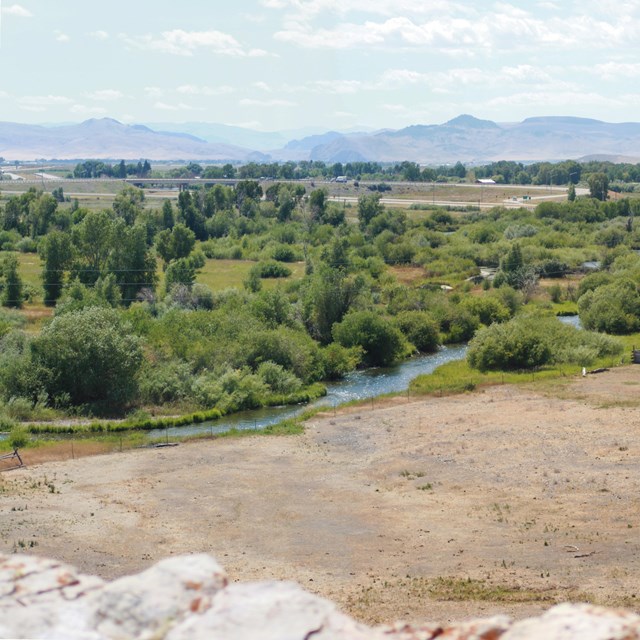
Beaverhead Rock
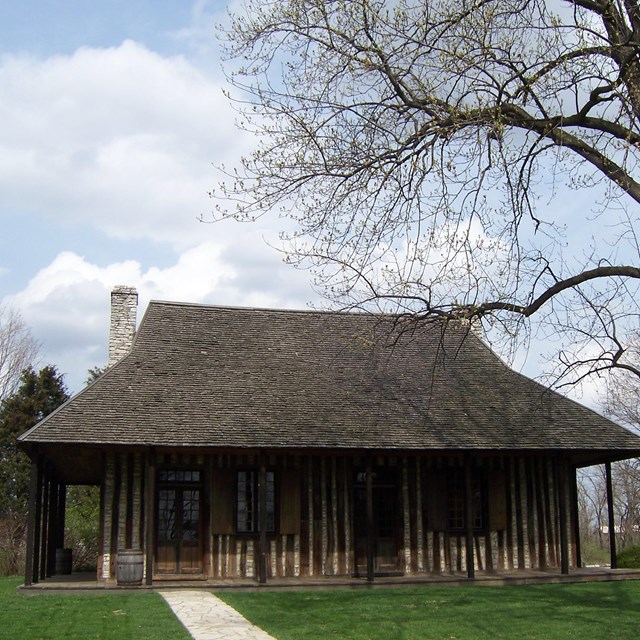
Camp Dubois

Lewis and Clark NHT patch
Lewis and Clark Junior Ranger Program
Become a Lewis and Clark Junior Ranger from the comfort of your own home.
more...
Reenactors portray members of the Corps of Discovery
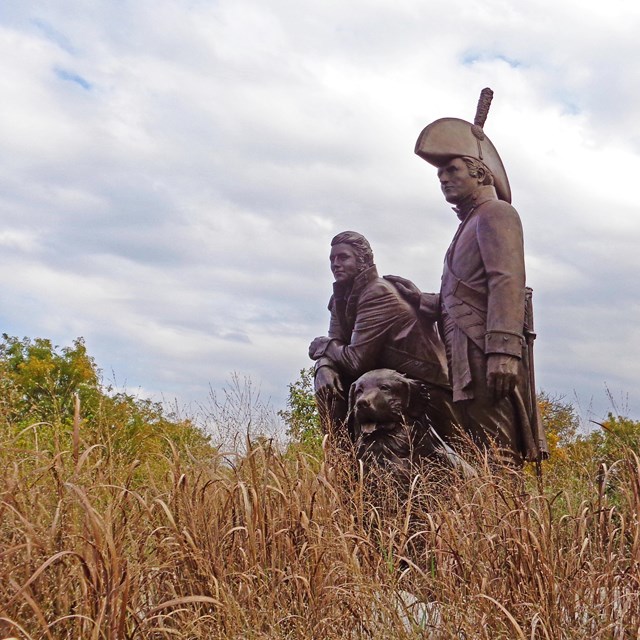
Meet the Members of the Expedition
Learn more about some of the many people who had a role in the Expedition.
more...
George Rogers Clark  

Did You Know?
Twenty years before the Lewis and Clark Expedition, Thomas Jefferson hoped to mount the “Clark Expedition.” In 1783, Jefferson asked William Clark’s brother and Revolutionary War hero, George Rogers Clark, to lead a cross country expedition to explore the west. Clark declined the offer.

Last Updated: May 16, 2007 at 13:28 EST