National Park Service LogoU.S. Department of the InteriorNational Park ServiceNational Park Service
National Park Service:  U.S. Department of the InteriorNational Park Service Arrowhead
Keweenaw National Historical ParkVisitors listen to a ranger program near the former Calumet & Hecla Public Library
view map
text size:largestlargernormal
printer friendly
Keweenaw National Historical Park
Things To Do
 
Calumet's historic architecture and feel is still evident today
NPS Photo: Dan Johnson
South Fifth Street in the Village of Calumet preserves the architecture and feeling of the former commercial center of the copper mining boom.
 
There is much to see and do on the Keweenaw Peninsula. In addition to exploring the history of copper mining, numerous recreational opportunities are available in the area. In the summer hiking, canoeing, kayaking fishing, camping and biking are popular activities. During the winter, the normally abundant snowfall make this a prime area for snowshoeing, cross-country and downhill skiing, ice fishing and snowmobiling. For information on area attractions and activities visit the Keweenaw Convention & Visitors Bureau website.
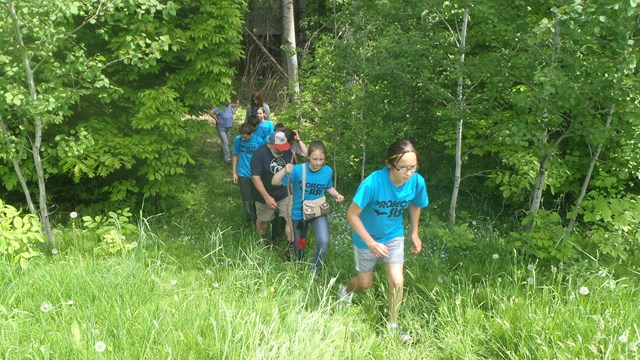
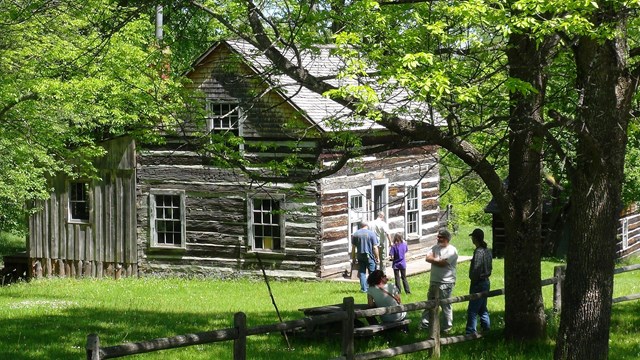
During the summer, National Park Service staff provide guided interpretive programs in both the Calumet and Quincy Units. Check the current edition of the park newspaper for programs, locations and times.

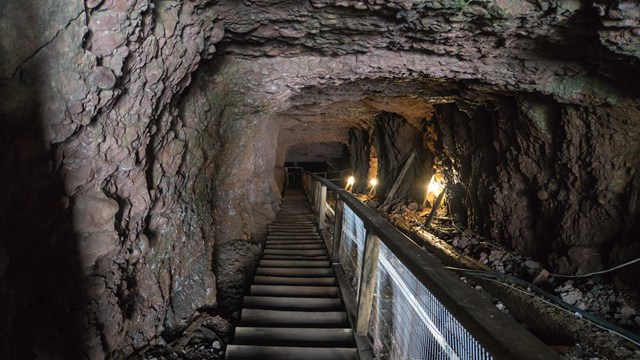
The park's partners, known as Keweenaw Heritage Sites, offer a wide range of activities including museums, mine tours, theatrical performances or hiking and camping. The heritage sites are a collection of public and private entities. They are independently operated and should be contacted directly for information and schedules.
A National Park Service ranger
Find out about park ranger programs
Take a tour of the park with a ranger
more...
Autumn leaves provide a backdrop for the Quincy Smelting Works located along Portage Lake across from Houghton, Michigan.  

Did You Know?
The Quincy Smelting Works is the only copper smelter in the Great Lakes region still standing in substantial condition. It reflects the technology of the time, the industrial processes critical to the industry and the workplace of the people who produced copper for industrial and domestic uses.
more...

Last Updated: May 09, 2007 at 10:54 EST