



|
Copper has shaped the people and places on the Keweenaw Peninsula for thousands of years. Early native peoples began mining and using copper here over 7,000 years ago. After Europeans arrived in the area, they learned of the copper resources from the Ojibwa people. English attempts at mining began in the 1700s but at first were unsuccessful. By the 1840s however, the setting was finally ripe for "copper fever" to take hold, creating one of the first mineral mining rushes in the United States. Labor is a Common Thread That Connects All National Parks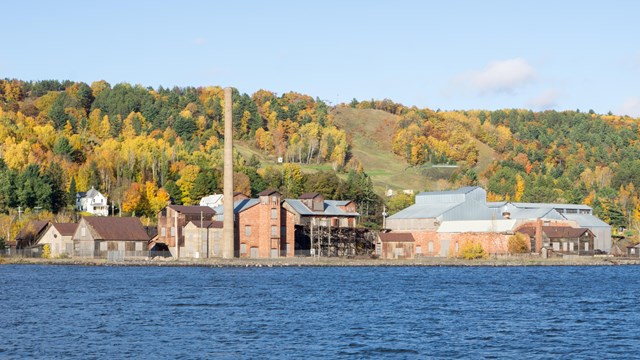
Places
Explore the historic and natural landscapes found on the Keweenaw Peninsula. 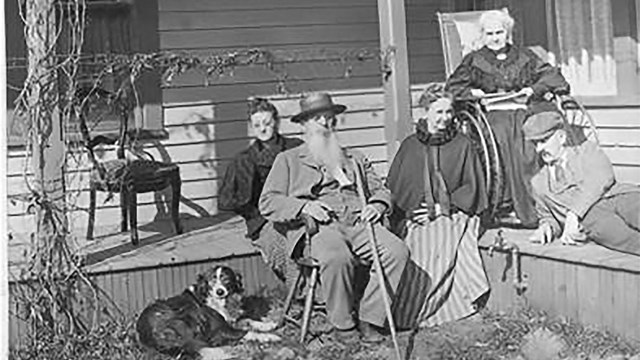
People
Discover the colorful characters of the Copper Country. 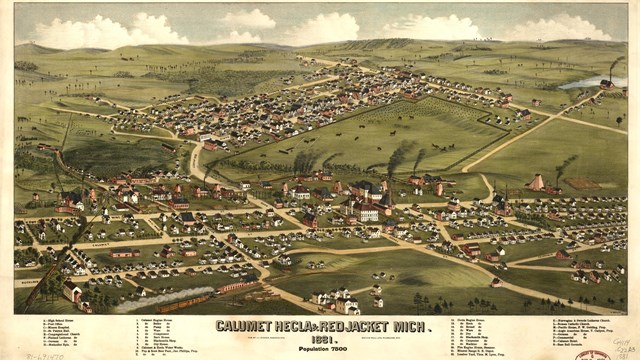
Copper Mining Timeline
Explore a timeline of Michigan copper mining from over 7,000 years ago to the present. 
Historical Architecture
Explore the Keweenaw's historic architecture. 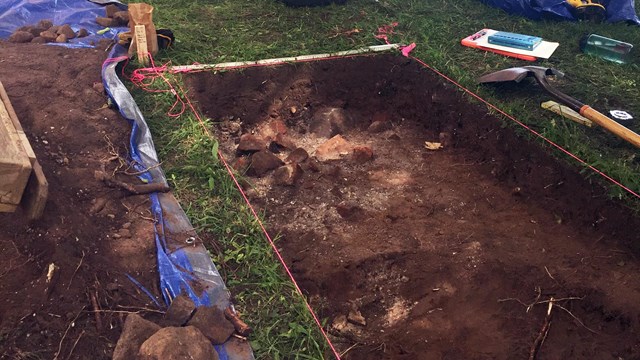
Archeology
Understand how we learn about people of the Keweenaw's past through what they left behind. 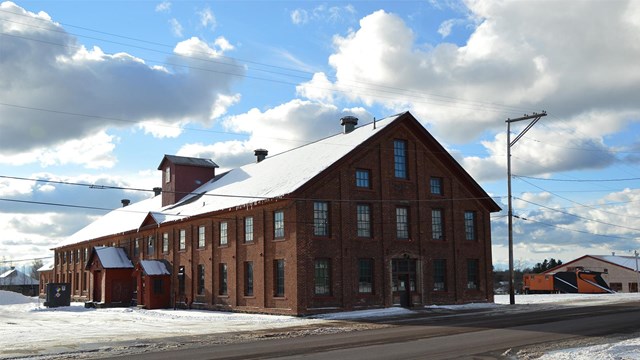
Museum Insider
Check out our Museum Insider publications 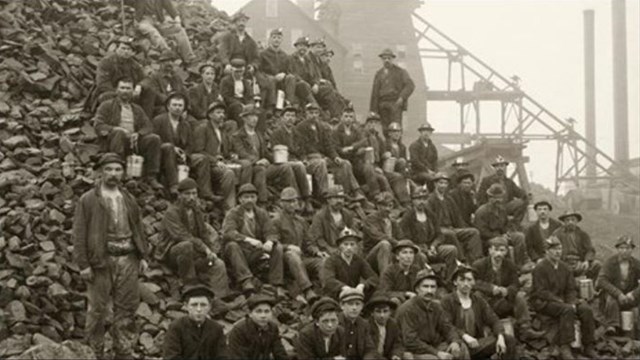
Working Wednesdays
Learn about the variety of occupations that kept the Keweenaw busy in the past. 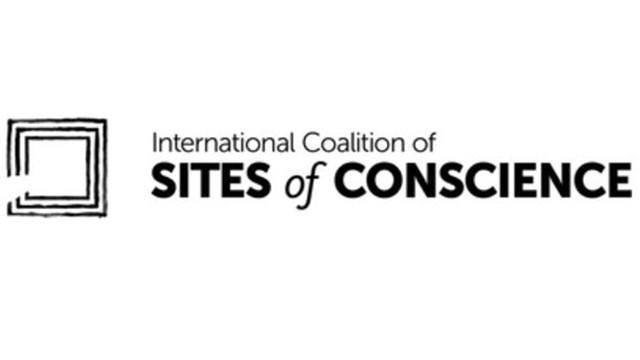
Sites of Conscience
Learn about what Sites of Conscience are. 
Collections
Explore the past through museum and archival collections. |
 |
|
Last updated: January 22, 2025