



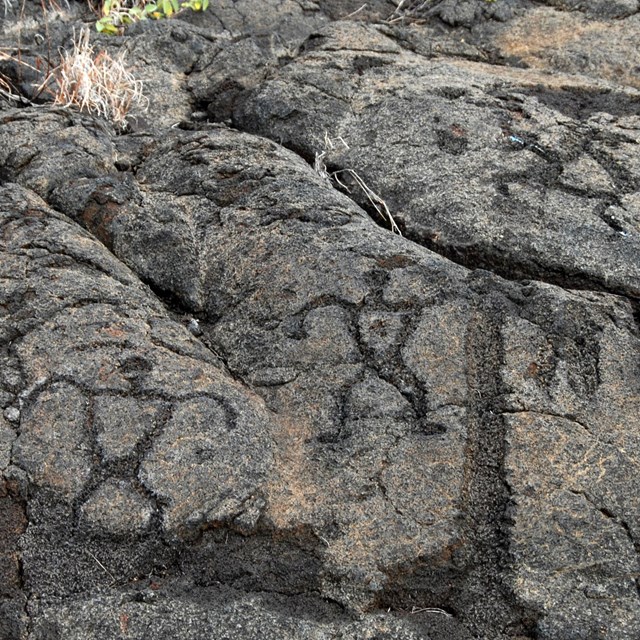
NPS/Neal Herbert Enduring Connections to the LandCanyonlands has been home to people for over 10,000 years. Traditions and ways of life developed and changed as cultures interacted with each other and the landscape. People moved and migrated. They communicated stories and passed on knowledge. Canyonlands is a living, dynamic cultural landscape that many still call home today. Hunting and GatheringFrom about 8,000 BCE to 500 BCE, extended family groups roamed nomadically throughout the southwest. Dependent on game and wild plants for their survival, they made “seasonal rounds” throughout their territory seeking what resources allowed them to thrive. Some evidence remains of these hunter-gatherers, including the extraordinary images they made on rocks and canyon walls. Their pictographs (rock paintings) and petroglyphs (rock peckings), like those found in Horseshoe Canyon, can be seen throughout the park. Farming and SedantismRoughly two thousand years ago, some hunter-gatherers acquired domesticated plants through trade networks. This led to a farming culture and more sedentary lifestyle. They grew maize (corn), beans, squash, and supplemented their diet with small game, and seasonal nuts and seeds. Archeologists call two groups of these early farmers the Fremont-era people, located around central Utah, and the ancestral Puebloans, located primarily farther south. Though the two groups’ territories overlapped, they retained distinct cultural differences. Over time, clan-based villages grew into larger communities of hundreds of people. 
NPS Photo/Neal Herbert Climate Change and MigrationAround 1300 CE, many ancestral Puebloans migrated south into what is now Arizona and New Mexico. Modern day Native Americans who descended from these people share stories recounting this pilgrimage as something they were destined to do. Archeologists suggest that a drought from 1276 to 1299 also played a role in this migration, as it made farming difficult. While most descendants live farther south now, this region still holds importance as their ancestral homeland. Some sites, such as Cave Spring in The Needles, retain sacred significance, and park staff attempt to manage these sites in accordance with tribal traditions and knowledge.
Learn MoreTopics From Around the National Park Service |

Last updated: April 18, 2025