National Park Service LogoU.S. Department of the InteriorNational Park ServiceNational Park Service
National Park Service:  U.S. Department of the InteriorNational Park Service Arrowhead
Cape Hatteras National Seashoremultitude of flying seagulls
view map
text size:largestlargernormal
printer friendly
Cape Hatteras National Seashore
Things To Do
 
Visitor Centers Birding
Swimming Ranger Programs
Fishing/Boating Camping
Visiting Lighthouses Kayaking/Canoeing
Shelling Windsurfing
Off-Road Vehicle Use Hunting


  • Stop by one of our Visitor Centers: Your first stop should be at a park visitor center on Bodie, Hatteras or Ocracoke Islands to get orientation information on the park and learn a bit about the park too. Visit all three!

  • SWIMMING: During the summer months, there are generally several lifeguarded beaches provided in the park. All swimming is at your own risk.

Swimming in the ocean is not the same as swimming in a pool or lake. Wind, waves, the change of the tide, the slope of the beach and other factors can cause strong currents to be present in the water even on the calmest days. Never swim in an inlet as currents in the inlets can be especially dangerous.

Ocean conditions can change from day to day and from hour to hour. Before going in the water, spend a few moments watching the waves. Wave patterns are a good indicator of the presence of currents and where deep water and other "surprises" are located. Know what to expect before you go in the water.

Of special concern are rip currents. Certain weather conditions can make these currents stronger and more dangerous. The National Weather Service now posts rip current forecasts for area beaches. Weak swimmers and children are advised to stay out of the ocean when there is an increased threat of rip currents, and even strong swimmers should stay out of the ocean on dangerous days.

  • FISHING/BOATING: Spring and fall at Cape Hatteras offer what many consider to be some of the best fishing on the Atlantic Coast. Most of the beach and sounds are open to fishing - State of North Carolina fishing regulations apply. The numerous local tackle shops sell bait and fishing equipment and are your best source for fishing information. There are several commercially operated fishing piers in the park. National Park Service operates a boat dock at Silver Lake in Ocracoke. Commercial charter boat services are offered locally.
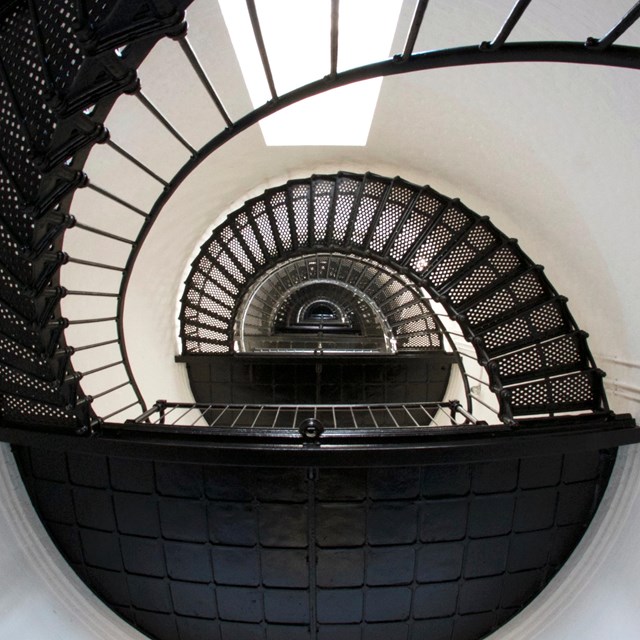
  • VISITING LIGHTHOUSES: The Cape Hatteras Lighthouse is open for climbing from the third Friday in April through Columbus Day. The Bodie Island and Ocracoke Island lighthouses are not open for climbing.
  • SHELLING:  Cape  Hatteras is an excellent place to explore for shells. A handbook, available from one of our bookstores, can be very helpful when less common shells are found. Please do not take shells with the animals in them. Take only empty shells.
  • OFF-ROAD VEHICLE USE: 4-wheel drive vehicles may be driven on the open beach, as marked, or on designated sand trails only. If your vehicle becomes stuck, towing fees can be quite expensive.
  • BIRDING: Birding is a year-round activity at the seashore. Terns and herons are best seen in the summer. The spring and fall seasons are excellent times to view shorebirds, hawks, and songbirds. Ducks and geese are common during the winter months.
  • RANGER PROGRAMS: Daily interpretive programs are offered during summer months. A limited number of programs for the fall are offered September 2nd through September 30th. Program offerings are varied and take place at different locations throughout the park.
  • CAMPING: The park has four campgrounds. Camping is allowed only in these campgrounds. Camping on the beach is prohibited. Campers should prepare carefully for the natural conditions to be found at the park.
  • KAYAKING/CANOEING: Commercial kayaks and canoe rentals are available locally. Be sure to check the weather before your trip and remember to be careful of ocean currents, especially in the inlets. Don't get caught unaware!
  • WINDSURFING: Many windsurfers use the areas known as Salvo Day Use Area and Haulover Day Use Area on Hatteras Island. These areas are best used when the winds are out of the northeast and are blowing at least 10 mph. Booties should be worn to protect your feet from the broken shells which litter the bottom. Windsurfing equipment is available for rent locally.
  • HUNTING: A traditional use of the seashore has been waterfowl hunting on Bodie Island in the fall. This practice continues under federal and state hunting regulations.


Eastern National
Get nature study and shelling guides . . .
at one of the Eastern National bookstores at our visitor centers
more...
Fort Raleigh National Historic Site
Visit Fort Raleigh National Historic Site,
also located on North Carolina's Outer Banks
more...
Wright Brothers National Memorial
Visit Wright Brothers National Memorial,
also located on North Carolina's Outer Banks
more...
American Oystercatcher
Pea Island National Wildlife Refuge
Coming to the Seashore? You should also check out Pea Island NWR!
more...
Seasparkle, a tiny dinoflagellate that can be seen glowing in the surfline at night.  

Did You Know?
The beaches along Cape Hatteras National Seashore sparkle at night. When you kick the sand, you disturb tiny dinoflagellates like seasparkle, magnified in the picture to the left. A chemical reaction causes them to glow with a blue-green light.

Last Updated: September 02, 2008 at 13:16 EST