National Park Service LogoU.S. Department of the InteriorNational Park ServiceNational Park Service
National Park Service:  U.S. Department of the InteriorNational Park Service Arrowhead
Bighorn Canyon National Recreation AreaA view of Devil Canyon looking through an arch
view map
text size:largestlargernormal
printer friendly

Welcome to Bighorn Canyon

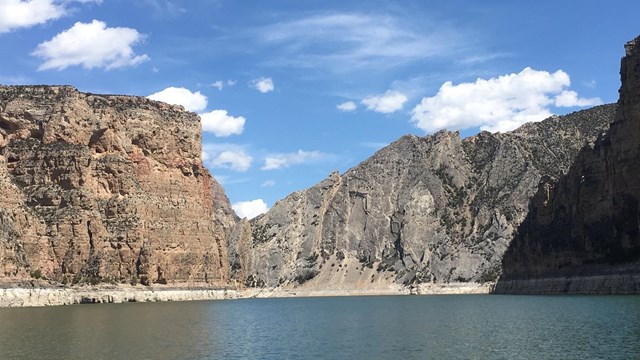
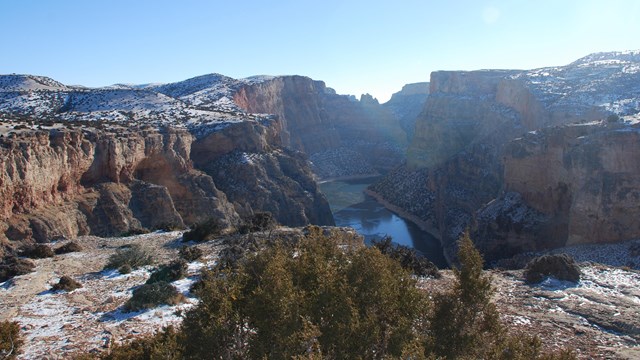
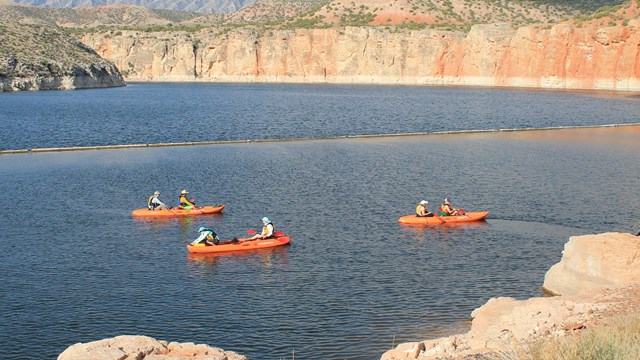
Immerse yourself in the relaxing surroundings of Bighorn Canyon National Recreation Area. The canyon offers a diversified landscape of forest, mountains, upland prairie, deep canyons, broad valleys, high desert, lake and wetlands. Since the creation of the recreation area, people have been able to find tranquil settings to better explore recreation, nature, wildlife, and history.

 
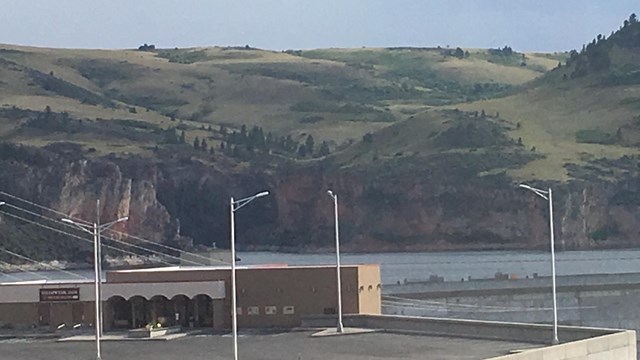
Bighorn Canyon Yellowtail Dam

Bighorn Canyon

Bighorn Canyon National Recreation Area was established by an act of Congress on October 15, 1966, following the construction of the Yellowtail Dam by the Bureau of Reclamation. This dam, named after the famous Crow chairman Robert Yellowtail, harnessed the waters of the Bighorn River and turned this variable stream into a magnificent lake.

Bighorn Lake extends approximately 71 miles through Wyoming and Montana, 55 miles of which are held within spectacular Bighorn Canyon. The Recreation Area is composed of 120,000+ acres, which straddles the northern Wyoming and southern Montana borders. There are two visitor centers and other developed facilities in Fort Smith, Montana and near Lovell, Wyoming. The Afterbay Lake below the Yellowtail Dam is a good spot for trout fishing and wildlife viewing for ducks, geese and other animals. The Bighorn River below the Afterbay Dam is a world class trout fishing area.


Write to

Bighorn Canyon NRA Headquarters, 5 Avenue B, P.O. Box 7458, Fort Smith, MT 59035
Fort Smith, MT 59035

E-mail Us

Phone

Headquarters
(406) 666-2412

Visitor Information
(307) 548-5406

Fax

(406) 666-2415

Climate

The North end of Bighorn Canyon is semi-arid getting 18 to 20 inches of rain annully. The South end is in the rain shadow of the Rocky Mountains and is a high desert with average rainfall from 6 to 10 inches annually.
more...
Veiw of the Bighorn Mountains from the Yellowtail Habitat, photo by K. Schwab  

Did You Know?
Fossil fauna excavated from caves in the region of Bighorn Canyon that date from 20,000 to 11,000 years ago include: Pleistocene horses, Mammoth, Bighorn sheep, American cheetah, Pronghorn antelope, Short-face bear, Bison, Dire Wolf, and Camel.
more...

Last Updated: January 30, 2008 at 12:24 EST